












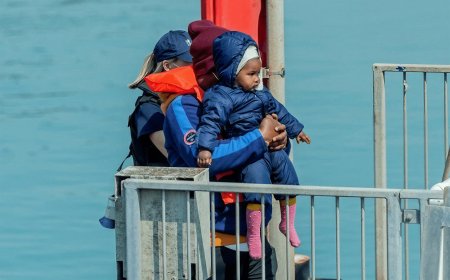











































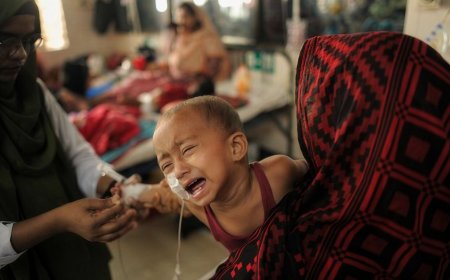
Parents must trust that vaccines are available, safe, and reliably delivered and that the health system stands with them. This trust cannot be built through campaigns alone. It requires sustained community engagement, local leadership, and transparent communication.

Universities need to fund counselling services as a genuine commitment, not a box-ticking exercise. Policymakers need to allocate budget to mental health as a first-order public health priority. The private sector needs to stop treating employee wellness as a branding exercise and start treating it as a structural responsibility.
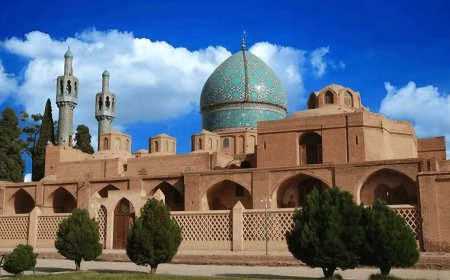
This piece marks the first in a multi-part series that seeks to place a human face on the Iranian people, moving beyond the abstractions of politics and stereotype.
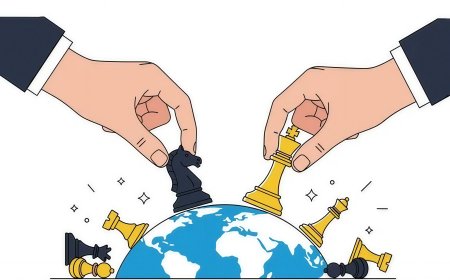
Bangladesh’s government faces a delicate balancing act. Every move in the international arena will be closely scrutinized for signs that the government is “tilting” towards one geopolitical axis or another.
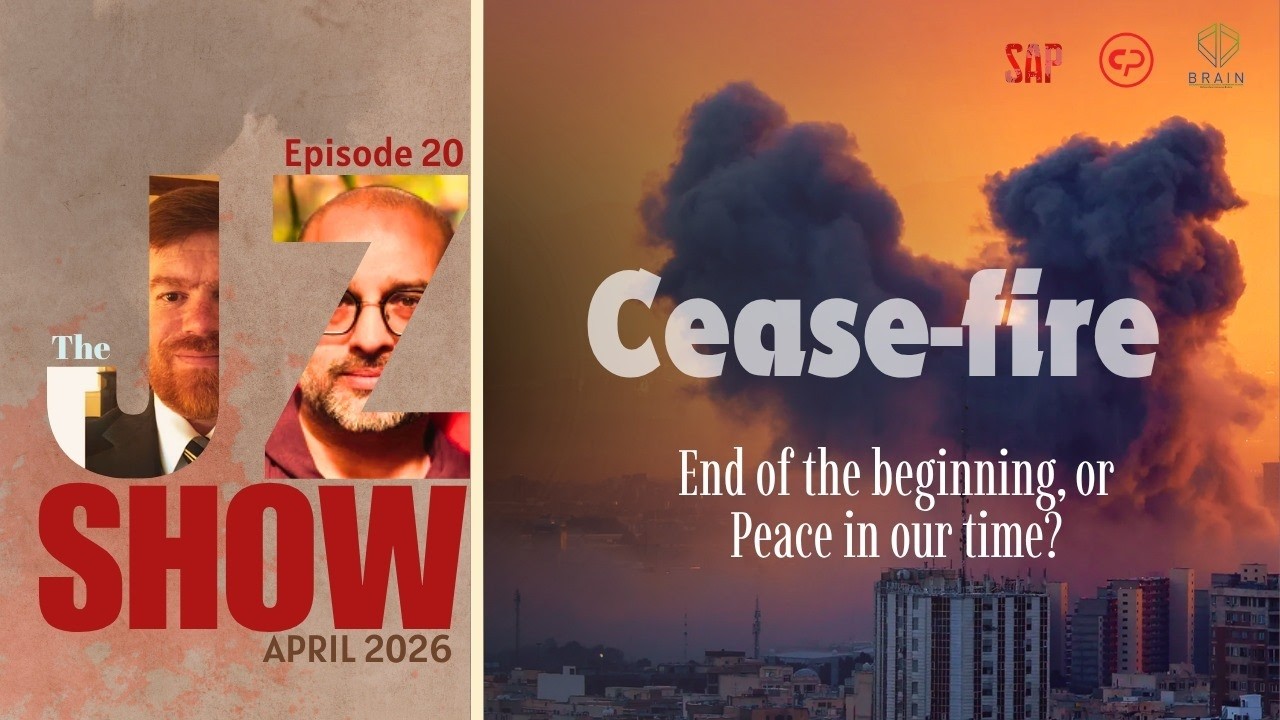
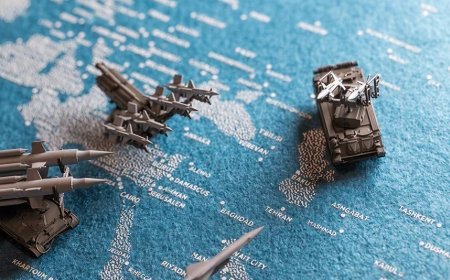
In this episode of “The J-Z Show,” hosts John Danilowicz and Zafar Sobhan examine the escalating tensions between the United States and Iran—and the fragile ceasefire currently at risk.
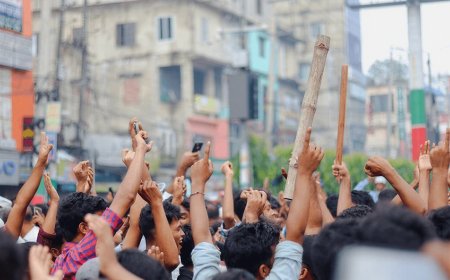
BNP must ensure that the caretaker government system, now revived, is built to last, not as a tool of partisan advantage but as the institutional guarantee that, now and going forward, no government, can close the door on the voters' right to choose their leaders.

He can keep the portfolio as a badge of party confidence. Or he can turn it into something rarer in our politics: A record. And if he wants that record to mean anything, he should begin by demanding answers from Facebook and YouTube.
As a supporter of substantive reform within the political structure of this country, this dim scenario really makes me sad. And it also clarifies one thing: our failure has come from one major shortcoming -- we didn’t reach out to people.
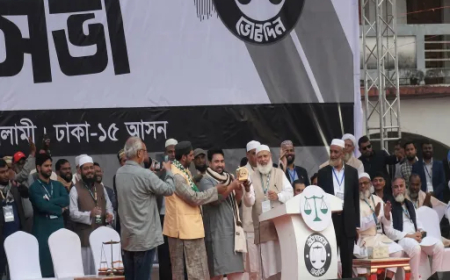
What Jamaat's 68 seats do is give the party institutional leverage to shape the answers to questions that matter far more than whether Bangladesh wakes up tomorrow under a theocracy.
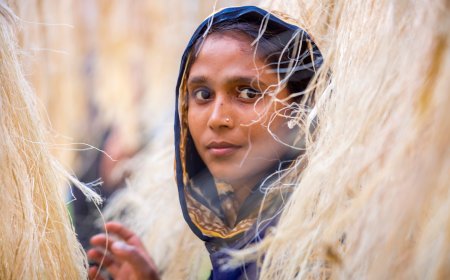
We have long ago given up hoping that our government would do anything for us, and would be content if it simply reined in its worst excesses. As the old Bengali adage has it: We don’t want charity. Just please call off your dog.

A trillion-dollar economy requires a financial system that can recognize risk, tolerate risk, and allocate capital with intelligence.

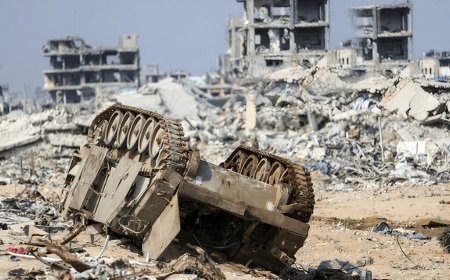
It is a clear admission that the war failed to deliver its stated objectives. No regime change, no oil conquest, no uncontested control of the Strait of Hormuz, no elimination of Iranian nuclear capabilities without serious concessions.

It is striking that nearly two years after a youth led uprising that was triggered by protests about jobs, the economy is largely absent from public discourse. This may be the ultimate July betrayal of them all.

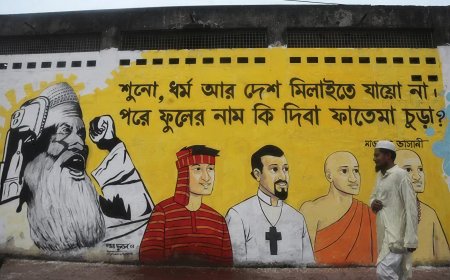
I am hoping against hope that the issue of LGBT rights in Bangladesh can be viewed by most people in the country through the lenses of anti-discrimination and not through that of any special rights, and certainly not through any notions of promotion. There is nothing to promote here.

The Strait of Hormuz is in crisis, disrupting the global economy. Asia, in particular, faces a coming storm with a prolonged closure -- the Strait carries the lifeblood of Asia's economy.

With only a few weeks of stock, Bangladesh ranks among the region’s most vulnerable.