
























































US remains Bangladesh’s single-most important export market, major source of FDI and a key development partner. US is also a market with substantive export potentials as far as Bangladesh was concerned. Remaining engaged with the US should be the way to go forward.

The BNP government has now inherited the institutional resistance it generated and will need to find a way to manouvre around it. Bangladesh will find it extremely hard to finance its development ambitions unless it significantly improves its tax collection systems and addresses the political economy of doing so.
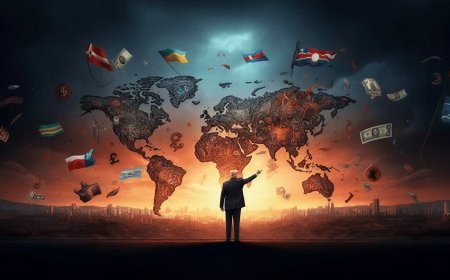
The final irony of our current moment is that while the world watches the dramatic surface conflicts and the crises that dominate headlines and social media feeds, the deeper system is already adjusting, already adapting, already moving towards a different configuration.
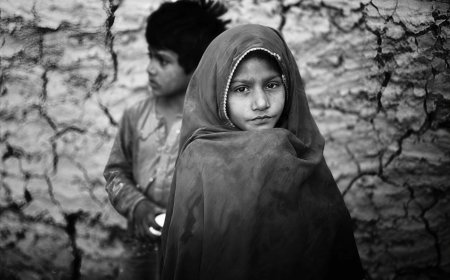
55 years ago today, Pakistan as it existed then came to end as the Mujibnagar Government was formally formed. Two generations on, the peoples of the two countries share a common yearning for democracy. On both wings of the erstwhile Pakistan then, a prayer for democracy.
There is a sensible way out, and it lies inside the Constitution, not outside it. If the new government wants to preserve the Reform Council model, it should table a constitutional amendment under Article 142 defining the Council’s status, powers, voting threshold, relation to Parliament, and oath.

It is common to find opportunities from data intelligence to apply surcharges, taxes or strategic partnership or code sharing with other airlines or budget airlines for win-win operations.

Bangladesh has all the ingredients for success -- a dynamic private sector, a young and hardworking population, and a strategic geographic position connecting major markets. Its achievements over the past decades demonstrate what is possible when determination and policy alignment come together.

The economic man treated nature as a storehouse. The social man must learn to treat it as a home -- and eventually, as an authority.

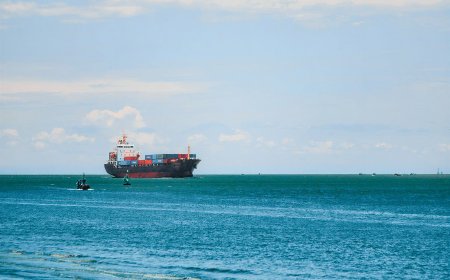
The war shut down every long-term supplier in a week. But the permanent damage may not be Bangladesh’s problem.
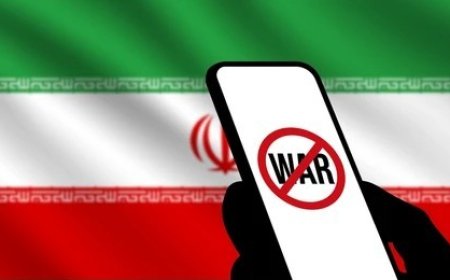
The US lost any foundation of protecting Iranian civilians from their government the day an American missile struck an elementary school, killing 175 individuals, most of whom were children.

It is now part of the international customary law that no states are allowed to use the international watercourses even in their own territories, in such a way that would cause significant harm to other basin states or to their environment.

In 840, the mayor always wins. The machine keeps humming. The tenders keep flowing. But the film exists. Someone made it. Someone watched it. Someone wrote about it. And that, perhaps, is where the next story begins.
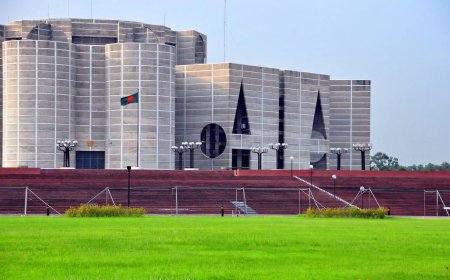
The hopes and dreams of the people in society like ours die in the Westminster system of parliamentary governance, which prefers to suppress the opposition under legal cover; the space for morality wanes completely.
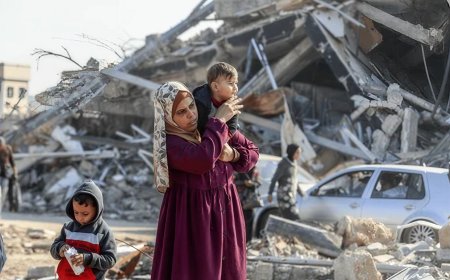
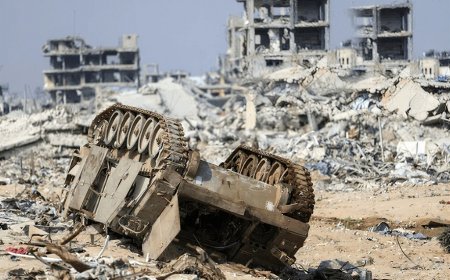
For civilians, of course, the distinction between pause and resolution may seem academic. The absence of immediate violence is a tangible relief. But from a structural perspective, the conditions that produced the war remain unchanged.
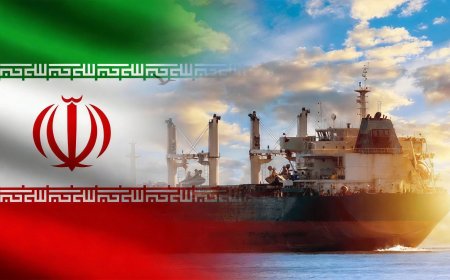
The strategic balance of the world has changed because from this point onwards. Future crises will be shaped by deterrence from multiple directions. The lesson from Iran’s victory is nothing short of a paradigm shift
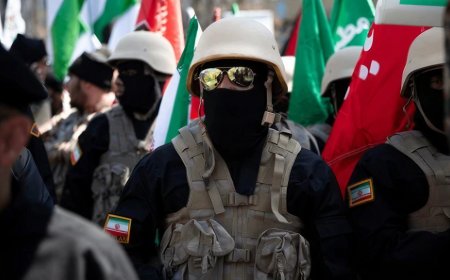
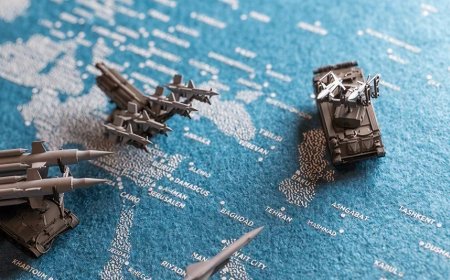
Former American Secretary of Defense Donald Rumsfeld’s phrase “unknown unknowns” best captures the near impossibility of predicting what comes next. That said, the ongoing Iran-United States ceasefire, offers a brief window of opportunity to take stock: A highly precarious, at best partial, cooling-off period in a region that remains very much in turmoil.