

























































Not only is the government expected to manage the current account deficit, but it is also expected to service the debt obligations it has inherited and pay for its electoral commitments, and yet somehow manage to bring inflation down.
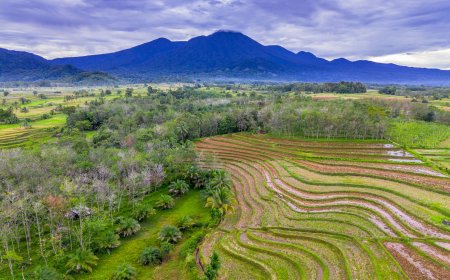
Regional integration is not only about infrastructure. It is about people. It requires a feeling of belonging -- a common identity. The Bay of Bengal region does not yet have that. Its countries differ widely in political systems, economic capacity, governance standards, and historical experience.
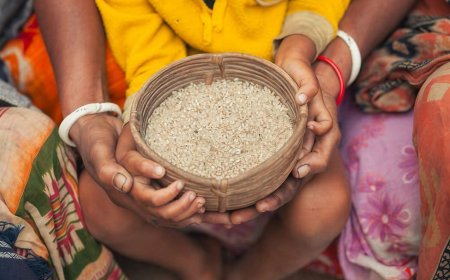
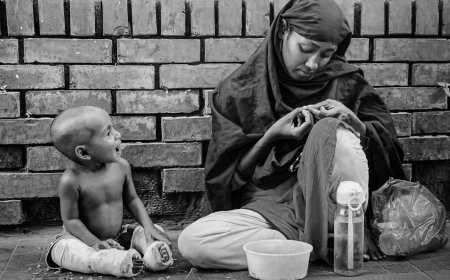
Hunger rarely appears alone; it is accompanied by indebtedness, illness, labour precarity, and social exclusion.

When I think of favour that was bestowed, I think of Fāṭima of Nishapur, I think of Rābiʿa al-Basrī, I think of every woman across Bengal and beyond who carried the tradition in her voice and her hands and was never written down.
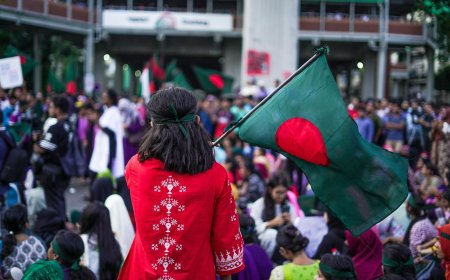
Who decided what the new Bangladesh would look like? And were the women who built it in the room when that decision was made?
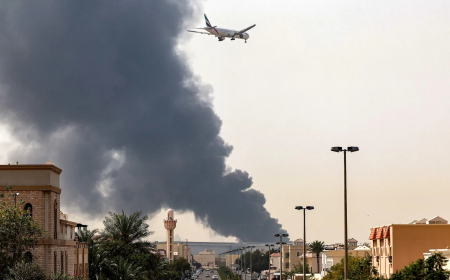
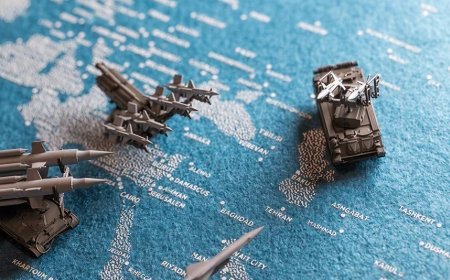
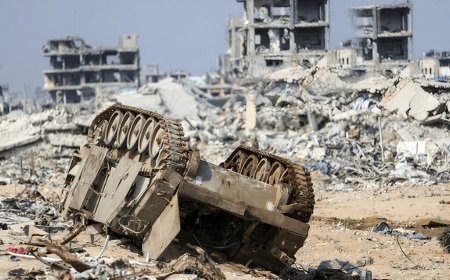
Iran and the UAE are bound by historic trade and migration networks and, more recently, by Dubai's role as a key hub for Iran to the global economy. Iranian missiles have shattered those ties.
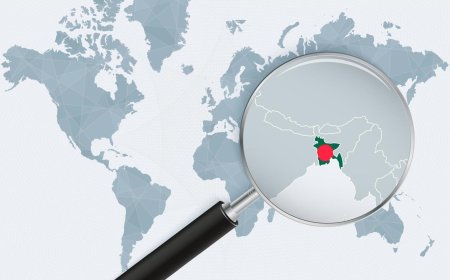
The country maintains an extensive diplomatic presence, with around 83 missions abroad, including embassies, high commissions, and consulates.
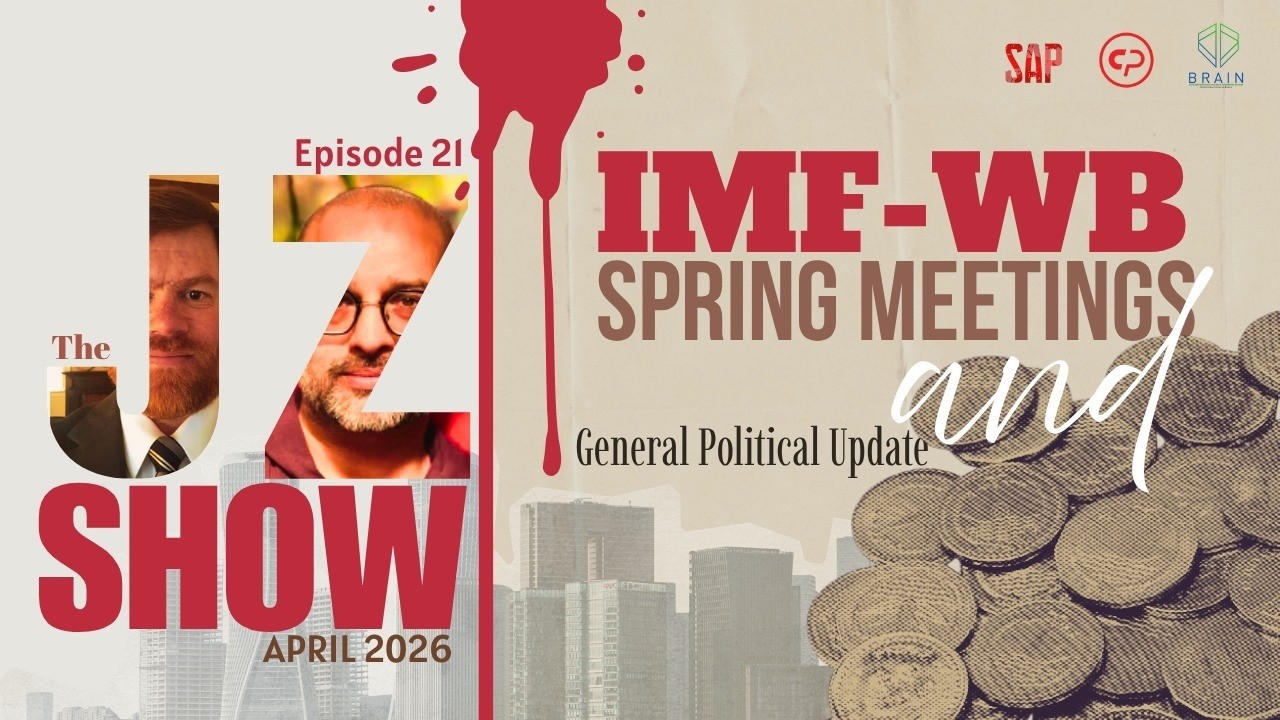
Jon Danilowicz and Zafar Sobhan discuss the IMF–World Bank Spring Meetings, global and domestic political developments, and the wider implications of conflict—from historical reflections on war to the current tensions surrounding Iran.

What truly set him apart, however, was not only his professional accomplishment but also his humanity. He possessed a rare ability to listen with patience, engage with sincerity, and offer insights that were both intellectually sound and practically grounded.
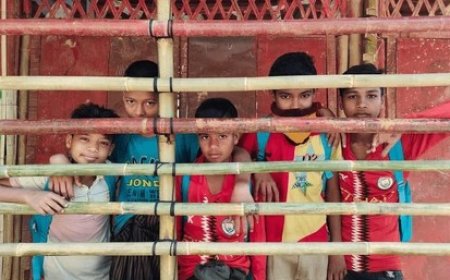
Bangladesh finds itself in a cruel diplomatic trap. Everybody says “patience,” but no one is stepping up to share the cost.
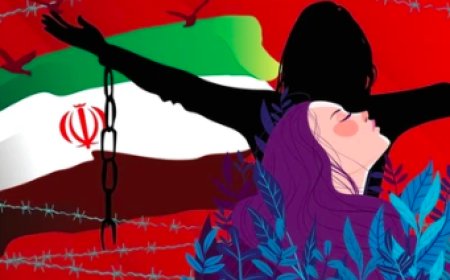
It begins, as so many things in modern Iran begin, with a woman and a song

A society in which the “honour of the huzur” matters more than a child’s cry has not yet learned justice. A state in which poor families are afraid to seek justice has not yet learned equal protection.
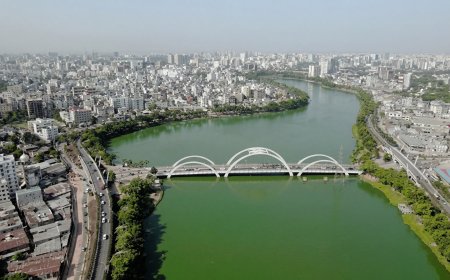
Disorder in Dhaka is not always accidental. It is often profitable.
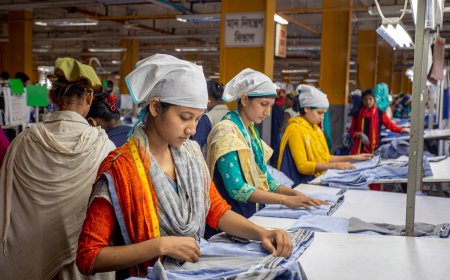
This first article in a three-part series argues that Bangladesh’s celebrated growth story was always more fragile than it looked. Now that growth is slowing and investment is yielding less, the hidden costs of that model are becoming harder to ignore.
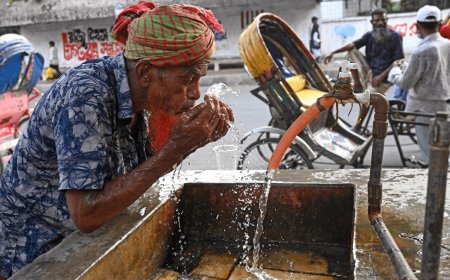
This third article in a three-part series argues how wealth leaves the country, why the gains of growth narrow at the top, and what a fairer settlement would actually require.