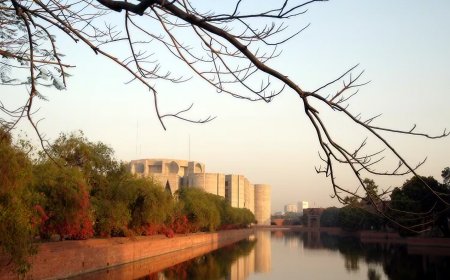































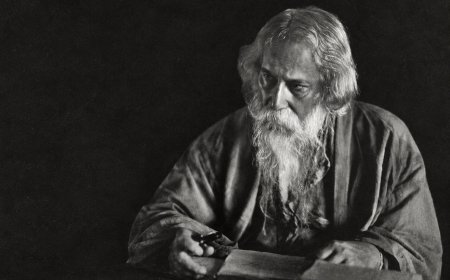





























To those who knew him, Dr. Cookson was more than an expert -- he was a trusted voice, a mentor, and a steadfast ally. His passing is a profound loss, not only to those who had the privilege of knowing him personally, but also to Bangladesh, a country he served with dedication and genuine affection.
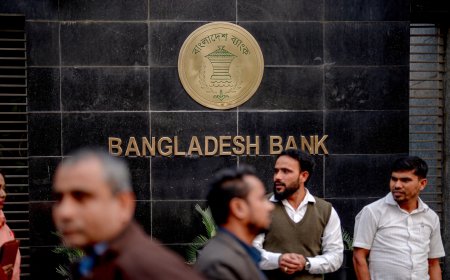
This second article in a three-part series argues that bad loans, political patronage, and cosmetic accounting turned Bangladesh’s banks into a public crisis.
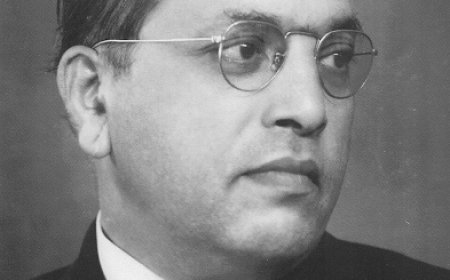
Ambedkar is not simply a historical figure. He is a living political question. The Republic of India today is built on his constitutional architecture -- and is increasingly governed in ways that undermine it.

In this low-grade, slow-burning rivalry, silence does not equal absence. It usually means that the game has already started.
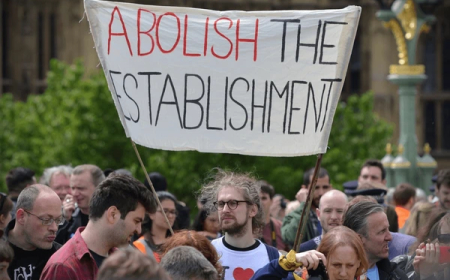
Whether a party is “Center-Left” or “Right-Wing” matters less to the modern voter than whether that party appears capable of breaking the system to improve the average person’s life.

In a world driven by technology and innovation, the value of human intellect far exceeds that of raw materials. Countries that fail to recognize this shift risk being trapped in cycles of dependency and underdevelopment.

Petitions are circulating now to remove these sites from search engines. Outrage is building, slowly. But it is not enough. But the real shift needs to start within us, in these awkward conversations. Stop correcting the numbers, stop making excuses and start confronting what actually happened.

The party's political and economic actions are not converging or complementing each other, and instead the party is letting its economic vision lead the governing process without considering the political consequences. This is a risky bet and may not work.
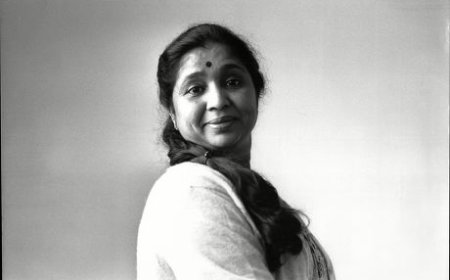
Audiences heard something unprecedented: A female voice that did not ask permission to be happy. To a socialist India grappling with the early tremors of globalized pop culture, Asha Bhosle was the unmistakable sound of modernity.

Lobbying fills the gaps left by these weak institutions, providing protection where enforcement is arbitrary and speed where formal systems stall.
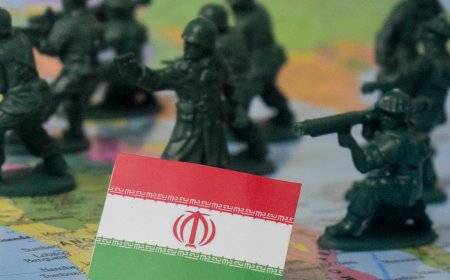
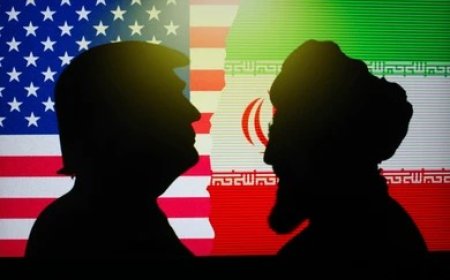
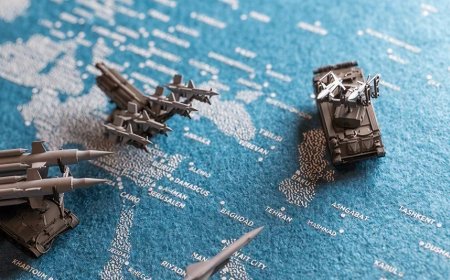
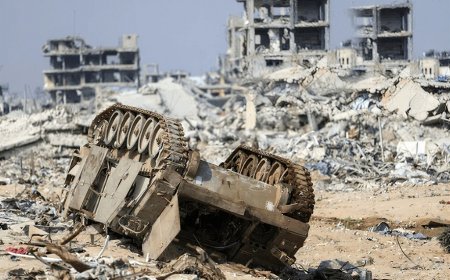
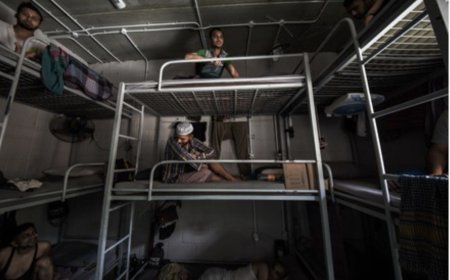
The war will be over, and the Middle East will need massive reconstruction, necessitating a huge workforce from the underdeveloped world
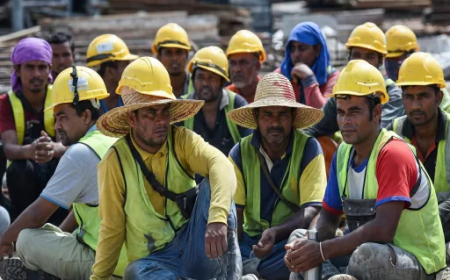
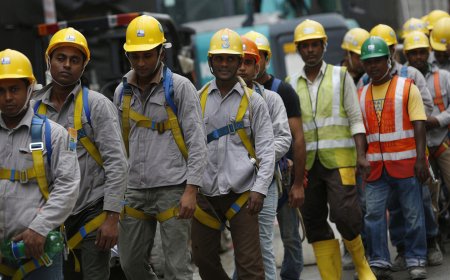
An extended war would not only upset the oil market, but could also disrupt development projects. Our workers, mainly in construction, cleaning and other blue-collar professions, are thus at high risk of mass layoffs.
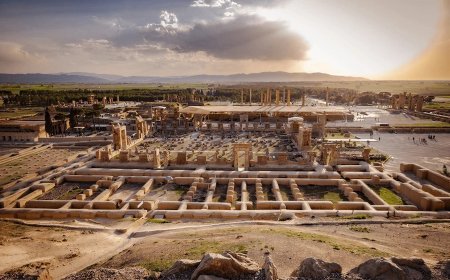
The contrast between our technological ambitions and our moral shortcomings raises an uncomfortable possibility. What if our progress is fundamentally unbalanced? What if we have mistaken the expansion of capability for the advancement of civilization?
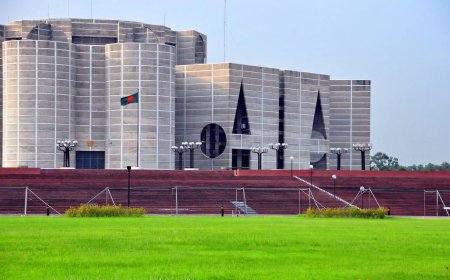
The country needs leaders from all political parties in parliament to be self-made men hailing from humble origins, shrewd, hardworking, ruthless, and fiercely nationalistic, capable of building a strong state and transforming society.