


















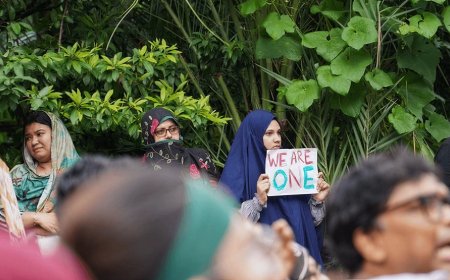







































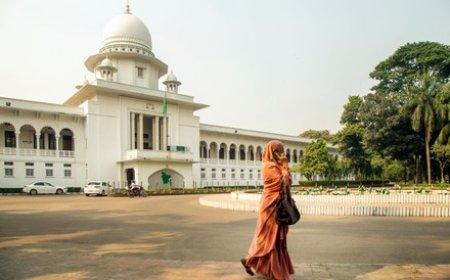
The problem is not only that laws fail after harm occurs, but that outdated laws make women unsure whether what they are facing is legally recognized as harm or not.
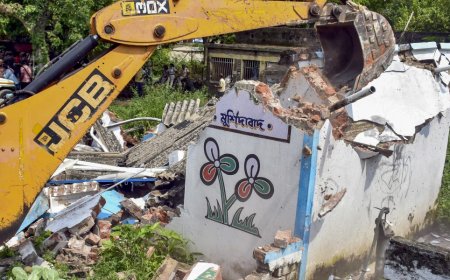
It has been exactly a month since the BJP emerged the winner in the Bengal assembly elections. Some changes are more visible than others.

Sovereignty is not maintained by lines drawn on a map or by seats held at the United Nations. It is maintained by the absolute certainty that if you attack the forces of the state, the state will break you.

The future health of Bangladesh depends not only on hospitals and medicine, but also on kitchens, schools, policies, awareness, and everyday choices made by ordinary people.

AI systems still require human oversight, localization, compliance handling, data verification, exception resolution, and cultural adaptation. These are precisely the areas where developing countries may retain relevance.

Corporate success is increasingly measured by size rather than substance.
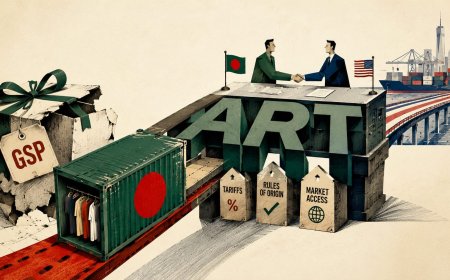
Global trade politics are changing. Reciprocity now matters far more in Washington than it once did.
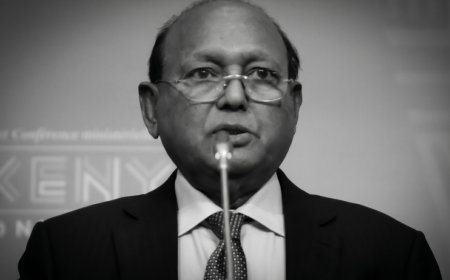
Future generations will continue to study the Mass Uprising of 1969 and the birth of Bangladesh. When they do, they will encounter the name Tofail Ahmed standing prominently among those who transformed resistance into victory and aspiration into nationhood.
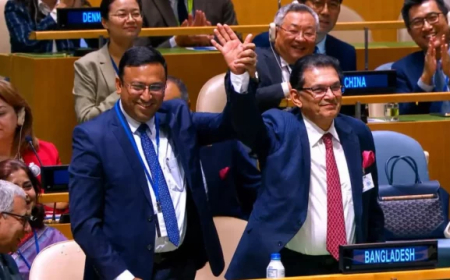
At a time when Bangladesh has often found itself on the defensive internationally, this victory offers a welcome opportunity for national confidence and unity.

When a person dies at a railway crossing, we do not abolish the railways. When a pilgrim is trampled at a religious gathering, we do not demolish the shrine. We install gates. We create safety protocols. We manage risk. In Bagerhat, none of this was attempted.

In Episode 2 of Cultural Bourgeoisie, Jyoti Rahman and Ehteshamul Haque explore how political thrillers can illuminate real historical events. From African coups and revolutionary leaders to Bangladesh's own turbulent political history, the conversation examines the intersection of fiction, memory, and scholarship—and why understanding the complexities of the past remains essential today
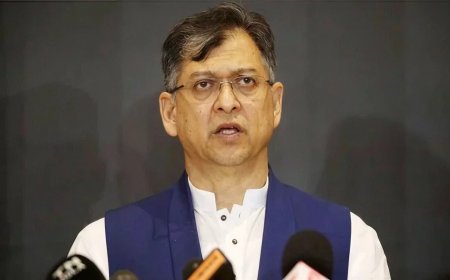
The protection of life and liberty is a core constitutional and operational mandate of the Home Minister in Bangladesh. He directs key security forces, including the Border Guards Bangladesh, to ensure the physical safety and security of citizens.

Yes, economists may envy physicists and political scientists may envy economists. But, here, in a place as fluid and unpredictable as Bangladesh, there are moments when even the most elegant model benefits from being challenged by a journalist's imperfect, half-cooked antithesis.
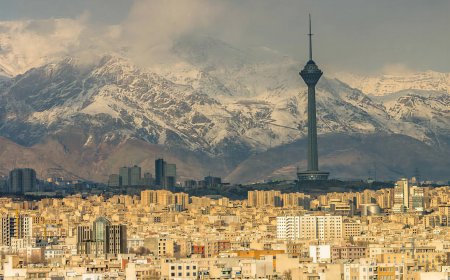
A comparison between Bangladesh and Iran may not be pragmatic, given the vast differences in their rich historical heritages. What is comparable is the repeated dedication and courage shown by the people of both nations in standing up for their respective countries.

Gen Z is winning the internet through a combination of genuine grievance, cultural fluency, and the particular humor of people who have been told they are useless and decided to make art out of it.
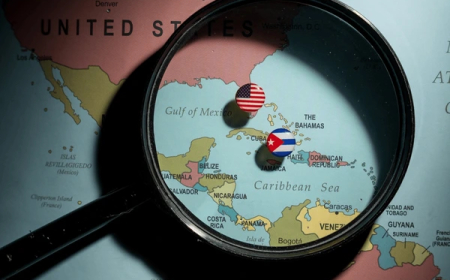
Whether this moment produces genuine Cuban freedom or merely a new form of managed dependency will depend entirely on whether Washington wants a democratic Cuba or simply a compliant one. Those are very different objectives. And so far, the evidence suggests Washington hasn't quite decided which it's actually after.