







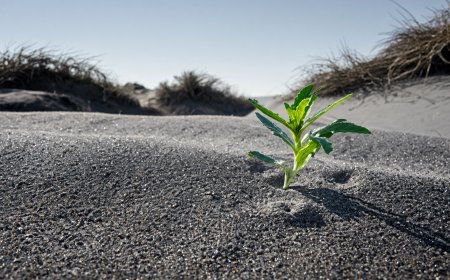










































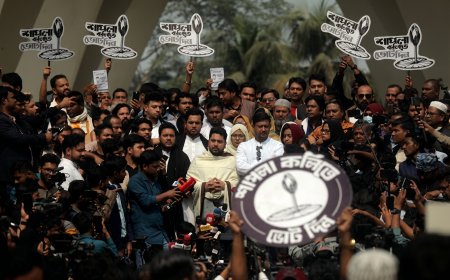
The NCP risks sliding into oblivion and losing its uniqueness by merging into the shadow of larger political interests. It must now undertake serious soul-searching about the long-term costs and benefits of its strategy.
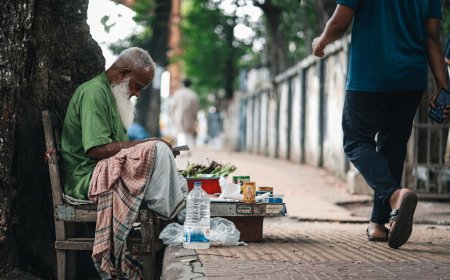
What is at stake is not only the health of individual patients, but the dignity of an entire ageing generation.
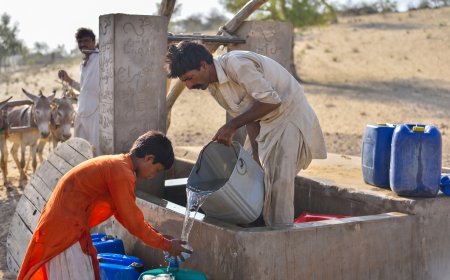
In the brutal, transactional mechanics of international survival, Pakistan does not need to plead for a seat at the diplomatic table; the raw architecture of global crises ensures that the table cannot be built without it.
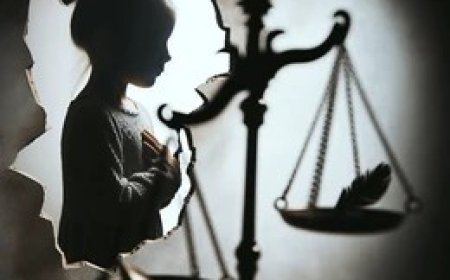
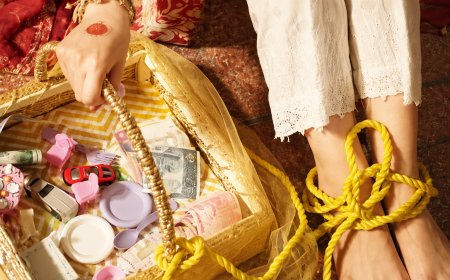
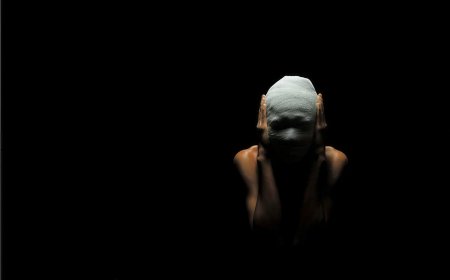
The legal proceedings unfolding after Ramisa Akhter’s rape, beheading, and murder should be anchored in a fundamental jurisprudential principle and not be designed to appease public emotion: Even in a high-profile case where guilt appears certain, due process is not a concession to the accused, but a guardrail protecting the integrity of the criminal justice system.

The danger lies in self-diagnosis and self-treatment. Many people now rely more on social media trends than professional consultations. This shift can delay proper medical care and worsen existing health conditions.
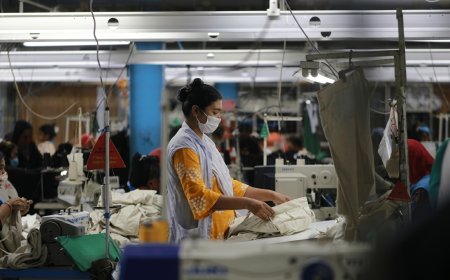
Injecting fresh credit into such entities risks creating 'zombie firms' -- businesses that survive on subsidized finance but fail to generate sustainable returns.
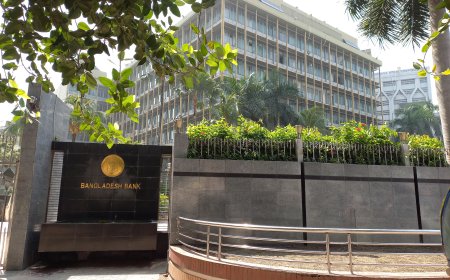
In structural terms, the policy reflects an ongoing evolution in Bangladesh’s financial regulatory framework -- from rigid quantitative controls toward more dynamic, risk-sensitive calibration.

The generation gap becomes dangerous only when generations stop listening to one another. When experience and innovation walk side by side, education becomes what it is truly meant to be -- a bridge between the past and the future
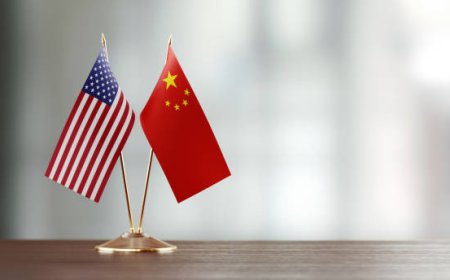
The Chinese leaders learned it well, as was evident in his call to Mr. Trump in the opening remarks of Chinese Premier Mr. Xi Jinping, who urged him to avoid falling into the Thucydides trap and embrace peace for global prosperity. But at the close of the talk, the disturbing global concerns may be: is there a second Kissinger, or a President like Nixon, to achieve the same?

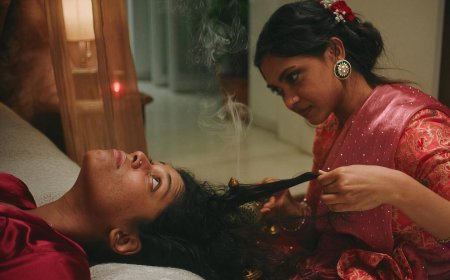
The images of her with the cat and the milk aren't just pictures. They are a manifesto for a very specific kind of dignified living -- a life where glamour and domestic intimacy sit side-by-side, looking off into the middle distance, accepting the world exactly as it is.

As Bangladesh aspires to become a developed and knowledge-based economy, strengthening intellectual property protection must become a national priority.
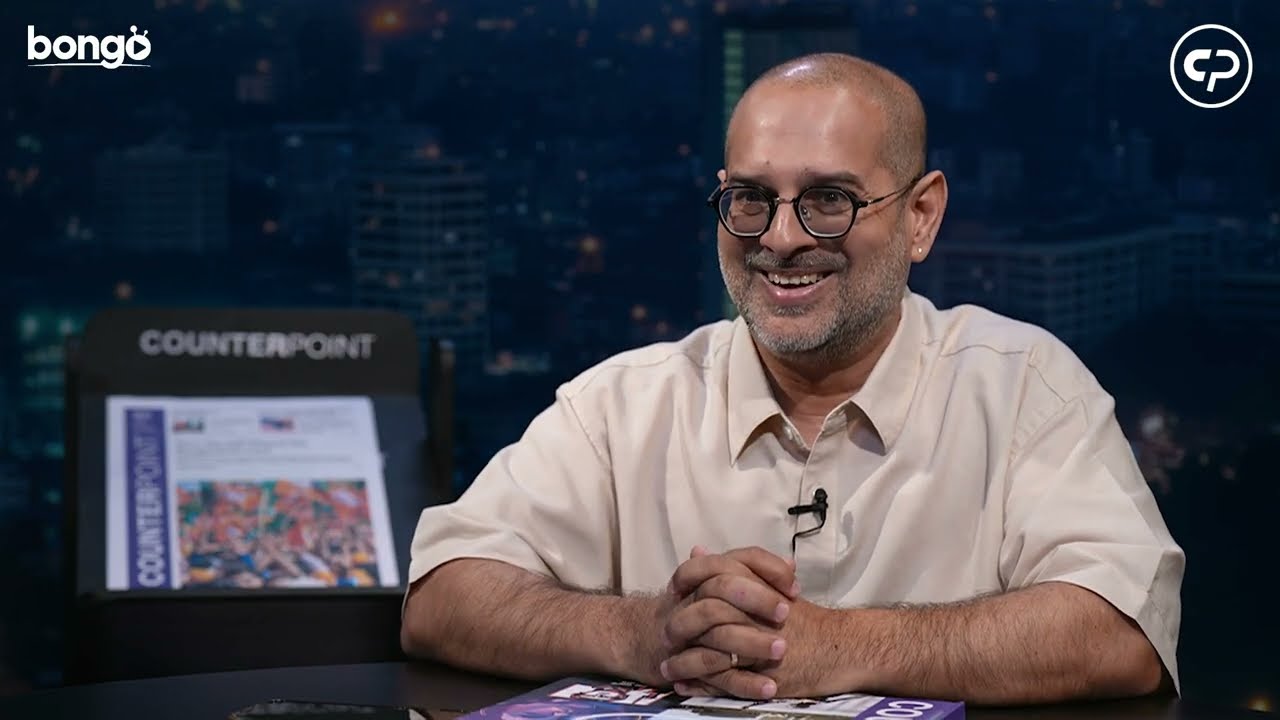
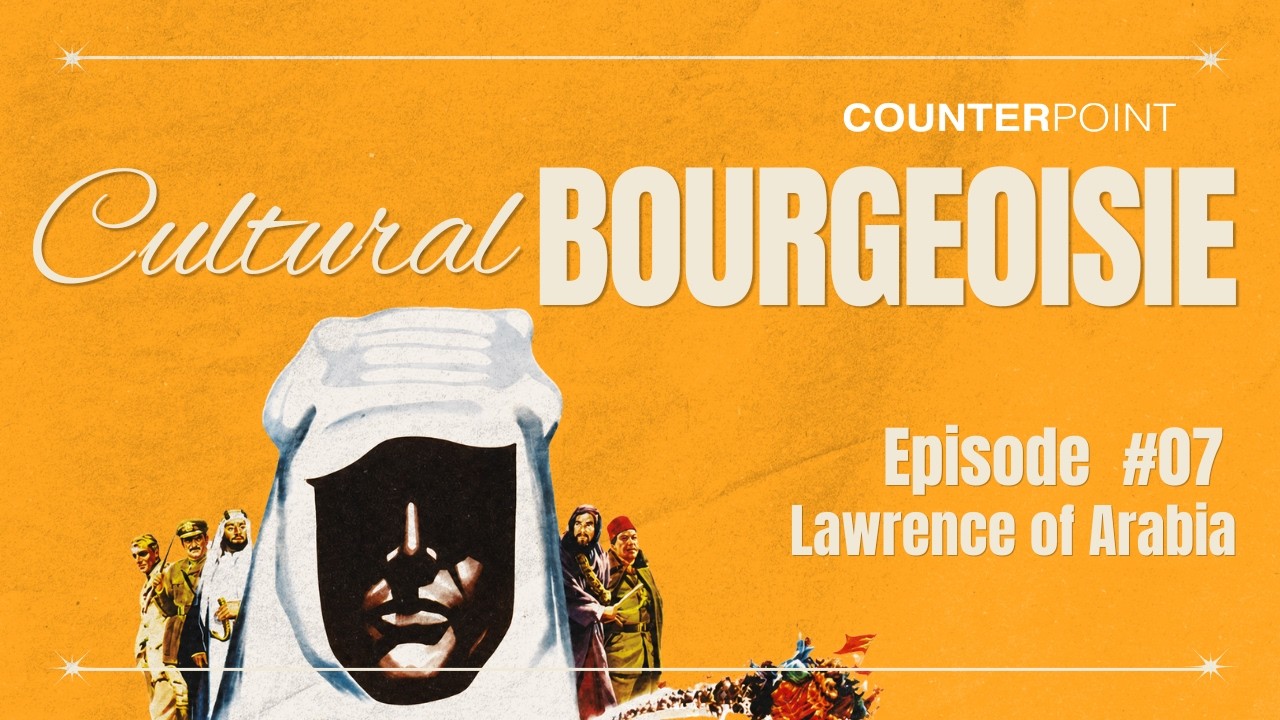
This episode of Counterpoint features a one-on-one conversation between editor Zafar Sobhan and Daily Star senior staff correspondent Zyma Islam. Together, they explore the complex landscape of media freedom and plurality in Bangladesh, reflecting on their experiences through 15 years of the Sheikh Hasina regime, the interim government, and the early days of the BNP government

In Episode 3 of Counterpoint with Zafar Sobhan, Zafar Sobhan sits down with Palestinian Ambassador Yousef Ramadan for a powerful conversation on the ongoing crisis in Palestine, the geopolitical role of the United States and Israel, and the historical roots of the conflict.
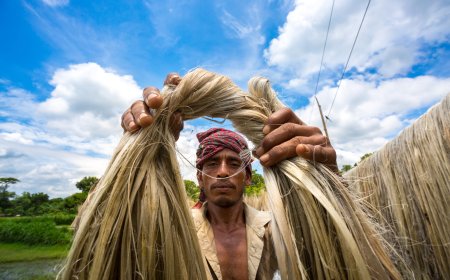
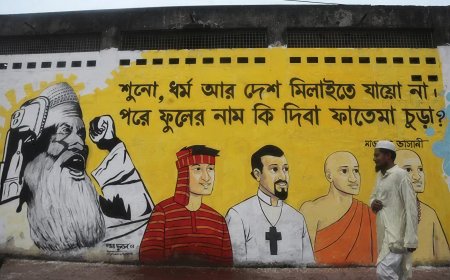
Ultimately, the challenge is not to choose between being Bengali and being Muslim. The real challenge is to recognize that both identities can co-exist within a broader vision of a democratic, pluralistic, and self-confident society.
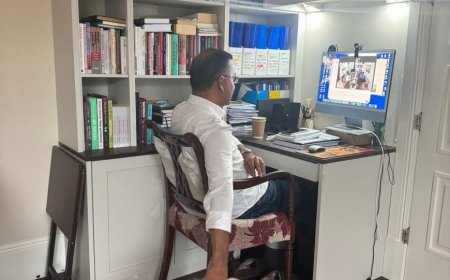
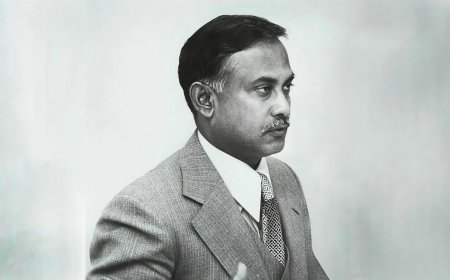
In one simple way, Tarique Rahman stands to be more successful than either of his parents. Neither of them could successfully, peacefully, finish their term and hand over power to the next government. Ziaur Rahman was gunned down by rogue officers. Khaleda Zia faced an implacable foe who made good on her promise of not allowing the former prime minister a moment of peace.