
































































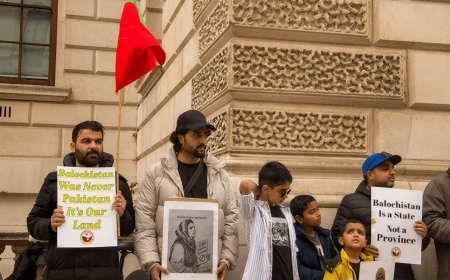
Its economy survives on IMF support with reserves near depletion. Its own defence minister accuses India of funding the insurgency, an allegation India denies.

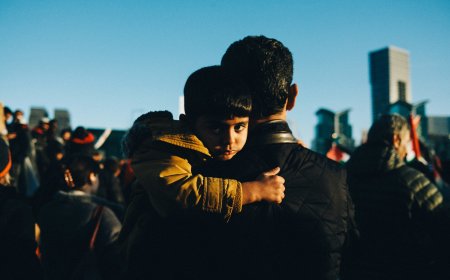
Maybe the greatest tribute to July is not in another speech or another procession but to remember that revolutions are not only moments of triumph but also the collective memories of sorrow carried quietly by thousands of ordinary citizens.
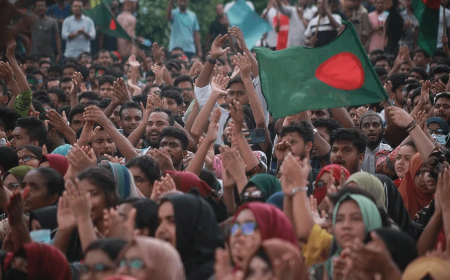
The demand that drove millions into the streets was never abstract. It was the return of democracy and fair elections to Bangladesh, the right of its people to choose their own government, and through that, make the decisions that would govern their destiny.

Dismiss early grievances, personalize criticism, stigmatize opponents, mistake force for authority, answer old questions, control information instead of rebuilding trust and confuse institutional power with public legitimacy. These are not uniquely Bangladeshi mistakes. They are universal governmental temptations.

History rarely remembers institutions that made difficult decisions. It remembers institutions that made the right decisions at the right time. Bangladesh is currently going through a grand transformation in the banking sector where five scheduled Islamic banks are on the verge of being merged by the Government of Bangladesh.

Without serious commitment to implement reform in financial sector, revenue collection and governance, the initiative of issuing foreign currency bond seems like cart-before-the-horse case.
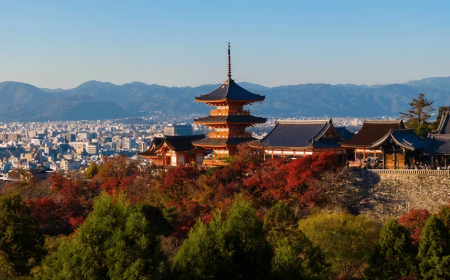
Nothing currently in place would produce a different result this time, and a mechanism, not a further calendar date, is what the Korean and Japanese examples both actually supply.

None of this is really new, only newly visible. The Caspian has functioned as a sealed smuggling corridor between Moscow and Tehran since the summer of 2022.

An enforced disappearance can be prosecuted under the ICT Act only when it forms part of a widespread or systematic attack directed against a civilian population. Standalone cases of enforced disappearance committed by state officials fall outside this framework.
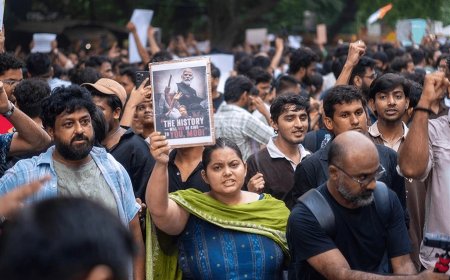
The BJP might be on the backfoot now but the protesting students are aware of how long their struggle to reform education might take.
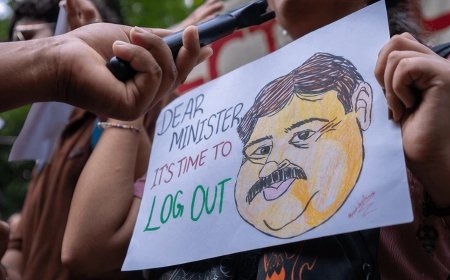
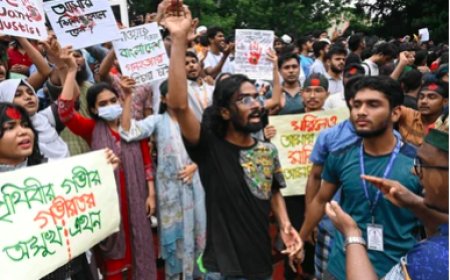
When chronically online youth took to the streets, they stripped the state’s harshest response of the fear it was meant to inspire.
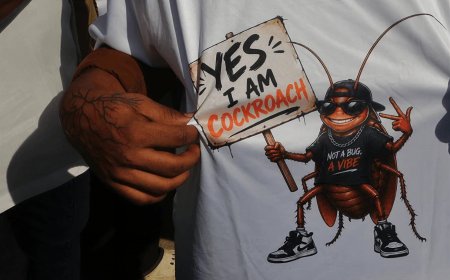
For many youngsters, political awareness began with doubts, arguments with parents and learning to think for themselves with the help of social media.

The future of work is arriving faster than many expected. The future of Bangladesh will depend on how effectively its youth are prepared to meet it.
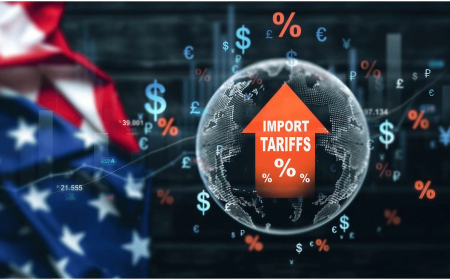
When viewed through the lens of the so-called Walmart Effect, the outcome is not necessarily one-directional and may even create certain opportunities for a low-cost producer like Bangladesh.
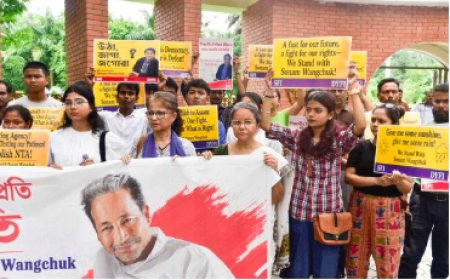
Democracy is ultimately sustained not merely by constitutions or institutions but by public trust. Once that trust begins to starve, feeding the body alone is never enough. The institutions themselves must learn to nourish hope before protest becomes the only language left.

The same discipline runs in reverse. “Got it.” “Saw it, on it.” Two words, and the loop closes from both ends instead of hanging open on one.