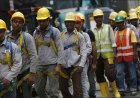


















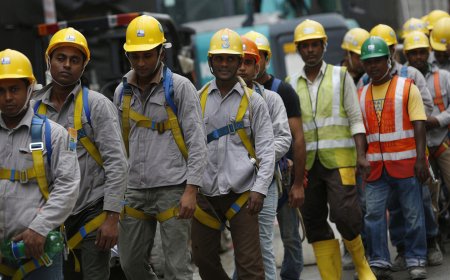



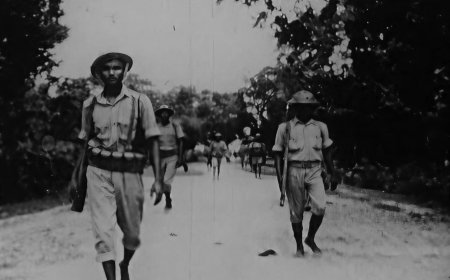
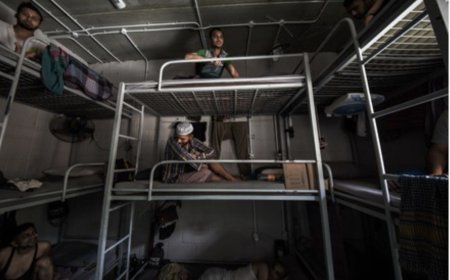



































My experiences convinced me that Singapore's greatest achievement lies neither in its skyline nor in its wealth. It lies in how it develops its people. That is why, whenever Bangladesh debates education reform, my thoughts return to Singapore.

As the prime banking regulator, Bangladesh Bank should reconsider this directive. At the bare minimum, it can remove SME loans from it, just like consumer loans were omitted. Ideally, scrapping the regulation altogether and replacing it with a policy rate cut would be a better way to bring down lending rates.
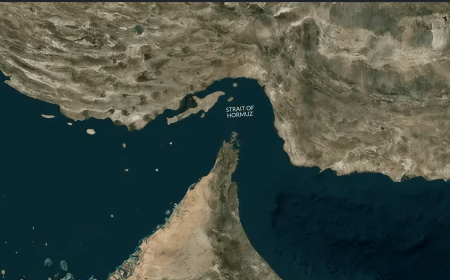
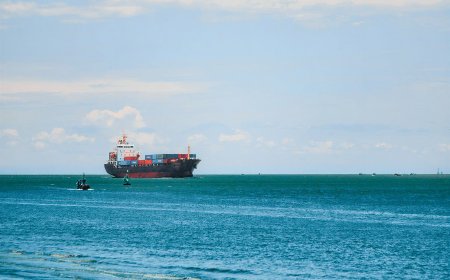
The latest ceasefire between the United States and Iran has failed to restore confidence in the Strait of Hormuz, exposing the world's continued dependence on a chokepoint that remains vulnerable to disruption.
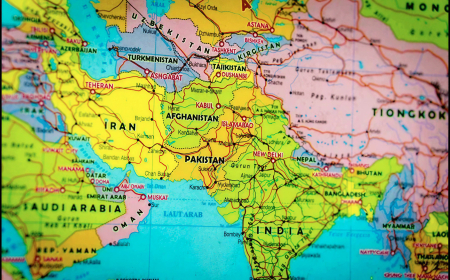
History has placed South Asia and the Indian Ocean Region at the centre of 21st-century global transformation. The region's future lies not in choosing between competing powers but in pursuing inclusive modernization, strengthening regional partnerships and leveraging the unique strengths of individual nations
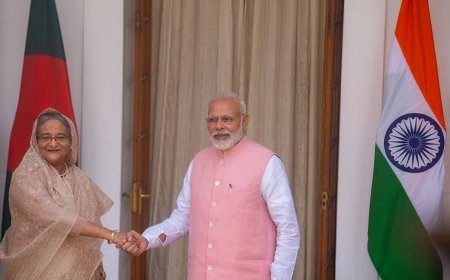
Some analysts argue that Hasina may continue to serve as a strategic political asset in India’s Bangladesh policy, reflecting a Kautilyan approach that could be summarised as: “You have China; we have Hasina.”
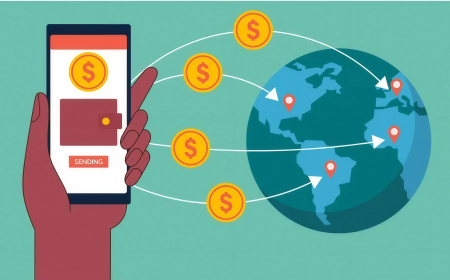
Allowing foreign operators to participate in outward remittances -- under a controlled and bank-intermediated framework -- could be a game-changing policy shift.

The more important question is whether technology and outcomes should be treated as equivalent. Installing thousands of surveillance cameras is not the same as creating a safe society.
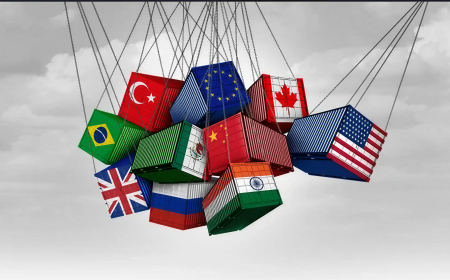
Engagement with China is presented as proof of resistance against Western dominance. Good relations with India become synonymous with regional stability. Foreign policy becomes a performance of political identity rather than a framework for advancing long-term national interests.
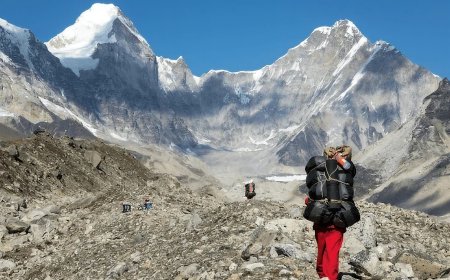
The Western adventurer, armed with a historically cultivated obsession and corporate capital, comes to a land where the mountains are woven into the spiritual and daily life. He relies on the unparalleled skill and strength of the Sherpas, whose names are too often relegated to the fine print of history, to achieve a personal zenith.

Keir Starmer’s resignation in the UK, the sixth in a row over the last ten years, suggests a genuine crisis not only in the UK but across European politics.
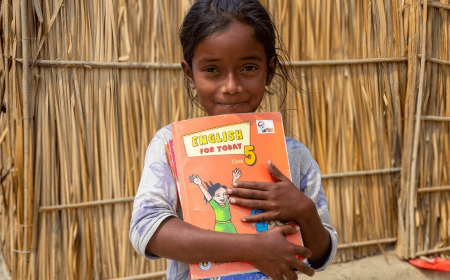
In Bangladesh, we nonstop speak of institutional reform, a tech-forward future, and human potential, but willingly deprive the people in char areas entirely of essential infrastructure.

Mental health is significantly affected by the media's ideas given towards women's beauty, especially for younger girls. Research shows that exposure of media images of unachievable beauty standards can lead to body dissatisfaction, low self-esteem and eating disorders.
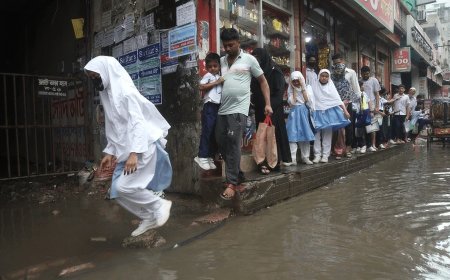
Bangladesh needs emergency protocols that operate before photographs go viral, independent technical review of every national question paper, public disclosure of examination failures, and a transparent remedy for affected candidates.

The recent closure of Ad-din Hospital in Bangladesh illustrates how policymakers sometimes impose extreme sanctions without considering proportional alternatives.

Law exists to separate truth from allegation, evidence from assumption, and justice from vengeance. The moment these lines become blurred, it weakens public confidence in the legal process.
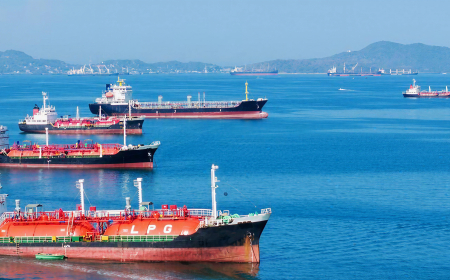
The latest regional security shocks have exposed a deeper reality. Hormuz is not simply an oil chokepoint; it is the foundation upon which the modern economies of the Gulf were built.