


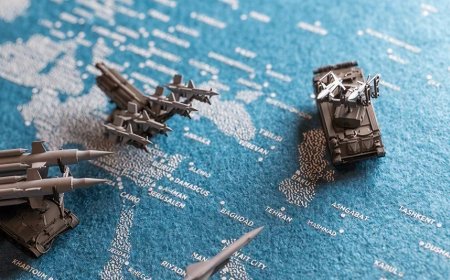
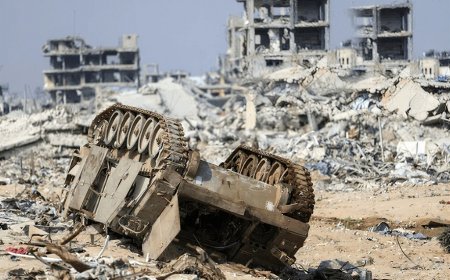

























































A war fought in part to eliminate Iranian leverage ended with Iran holding more of it, over Hormuz, over Lebanon, and over the sanctions regime, than it had before the first missile was fired. Whether that trade was worth it depends on whether the next 60 days produce a durable peace or simply a longer, costlier version of the same unresolved fight.
Everyone knows that to understand the legal nitty gritty is not everybody’s cup of tea. But everybody at least is entitled to one's common sense.

Unless we bail out bank depositors, we might experience bank runs, which could lead to economic collapse.

Why should this matter to Bangladeshi readers? The future of high-performance computing will likely be led by the United States and China.

If the Special Marriage Act can first be modernized and made genuinely functional, the more difficult conversation -- extending that same civil framework -- becomes conceivable. Until then, it remains a conversation without legal ground to stand on.

The real question is whether Israel can remain the kind of Israel that the world has known for the past half-century without American power standing behind it. On that question, the evidence points in only one direction.
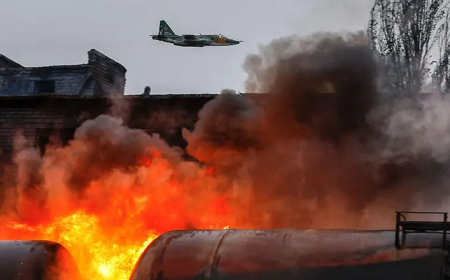
What Ukraine has executed is not merely a military operation. It is a masterclass in the psychological and strategic manipulation of an adversary whose leadership places symbolism above military reality.

The recent tremors should therefore be treated not as isolated events but as a message -- a reminder that nature occasionally sends before delivering its harshest blows.

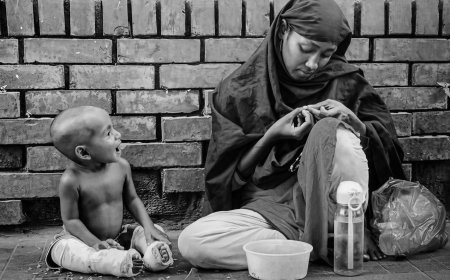
I am profoundly thankful that Senehma exists. And I am profoundly terrified that she does. Because the world we have built demands that we learn to doubt miracles, just so we can survive the unrelenting noise of the horrors.
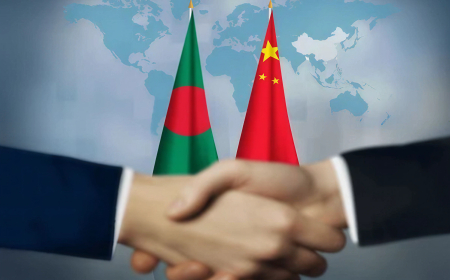
This history matters for one simple reason -- the corridor China proposed in Beijing in June to the Bangladeshi Prime Minister is the same idea, with the same starting point in Kunming, with the same logic, but without India.
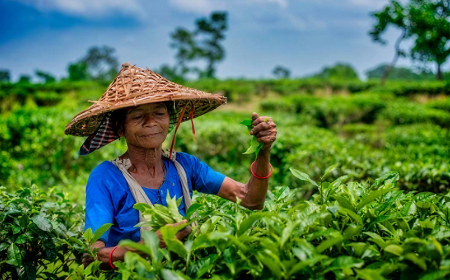
Sylhet’s Tea Garden Adivasis and the Unbroken Architecture of Colonial Indenture
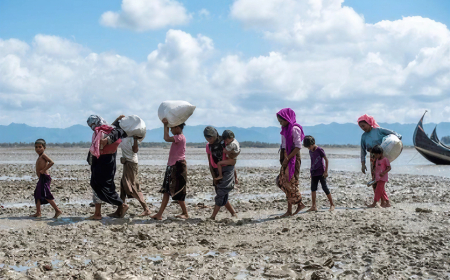
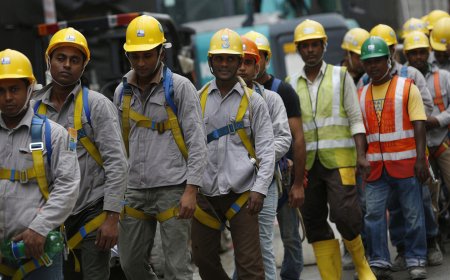
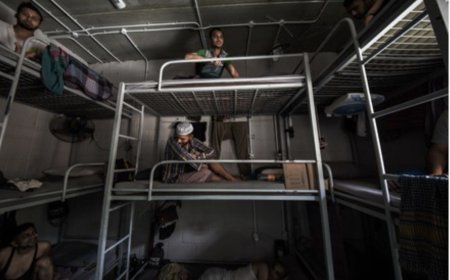
Bangladesh’s workers abroad now send home three and a half times what all the world’s donors disburse with no conditions, no consultants, and no debt to repay. It is time to say plainly which model is working.

The republic that declared itself in 1776 was, at bottom, an argument that human beings could be trusted, through reflection and iteration, to correct themselves. Two and a half centuries on, having stumbled badly and then caught itself, it has just offered fresh evidence for that argument. The experiment is older now, but it is still running.
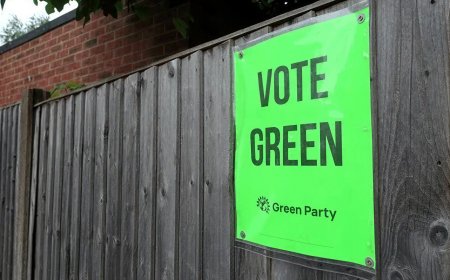
What started as a protest became politics. What was once dismissed as extreme is now the subject of international summits. The questions Green activists were asking 50 years ago -- how do we live within the limits of this planet, and who pays when we do not -- are still the most important questions today.
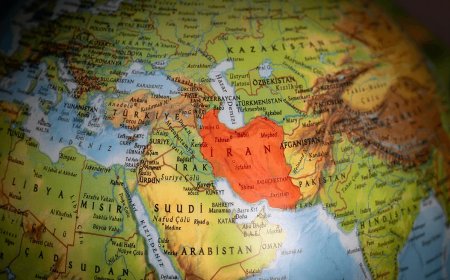
The ceasefire has created an opportunity. Whether the parties seize it will depend not only on the negotiators in the room but also on political leaders willing to accept outcomes short of their maximalist positions. Transforming that opportunity into lasting peace remains the region's greatest challenge.