

































































The next government will also be tempted to inherit the same bargain: Loyalty in exchange for protection, administrative convenience in exchange for silence. Reform begins when a government chooses to give up that convenience. Until then, ministers will continue to fall while the permanent government learns to serve, and outlast, whoever replaces them.
Public confidence in the future is still stronger than satisfaction with current delivery. That “expectation premium” is a political asset -- but a time-limited one.

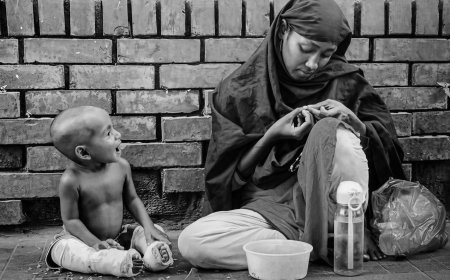
If essential medicines remain outside effective price control, public health will depend less on policy -- and more on what patients can afford. For many Bangladeshis, that is not a sustainable equation.

The Charter belongs to no party. Whoever channels public impatience into pressure for its implementation will own ground nobody else is contesting.
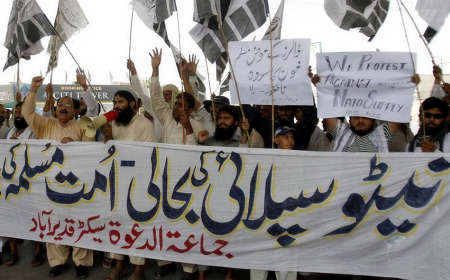
The military pact should not be viewed as an Islamic NATO. There are several reasons for this perspective. For one, there is no indication that a potential Indian attack on Pakistan would trigger a joint retaliation against India from all the signatories of the pact, the signature feature of NATO’s Article 5.
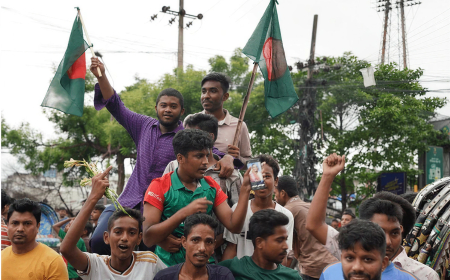
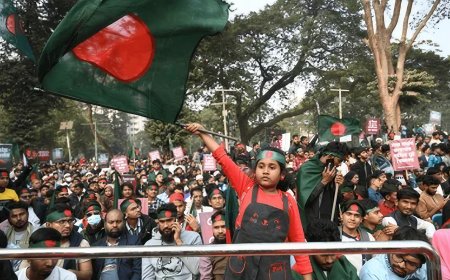
Bangladesh has already demonstrated that revolutions can go viral. The unfinished challenge is ensuring that reform becomes institutional.
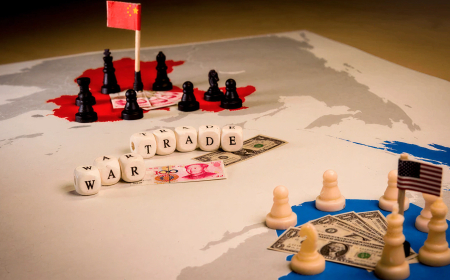
The defining question is no longer whether China has become a global power, but whether its model of development and statecraft will shape the rules of the international order in the decades ahead.
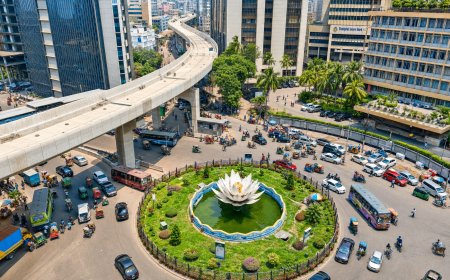
Lower interest rates can reduce the cost of borrowing. They cannot repair broken credit discipline, restore depleted capital, or rebuild confidence. Monetary policy can support economic recovery only when the banking system is capable of allocating capital on commercial rather than political grounds.
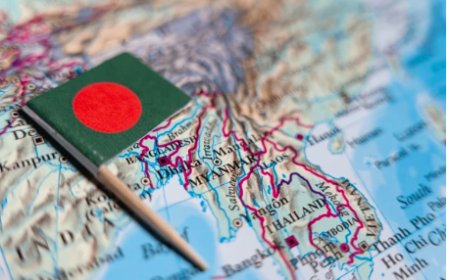
If autonomy matters only in relation to one great power while compliance with another is rebranded as "technical cooperation," then Bangladesh has not escaped dependency. It has merely changed its address.

The government is still following the crawling peg system, allowing the exchange rate to vary between lower limit and higher limit with the difference with the market rate no more than a Taka.

If the chair simply remains empty, the summit proceeds, other states advance their interests, India absorbs the symbolism without changing its behaviour, and Bangladesh returns home with little more than domestic applause, then it was not leverage. It was an opportunity lost.

We do not have to say goodbye to fresh water because we build an AI data center. We might, however, make an entirely avoidable mistake if we approve the wrong cooling system in the wrong place, drawing the wrong water at the wrong time

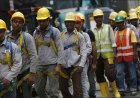
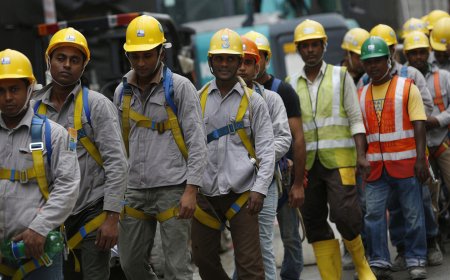
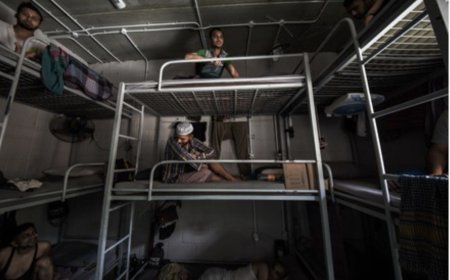
This dependence cuts both ways. If the Saudi market were to close for any reason, the impact on Bangladesh's employment would be significant, particularly since other major markets such as Oman, the UAE, Bahrain, and Malaysia have not reopened at scale.
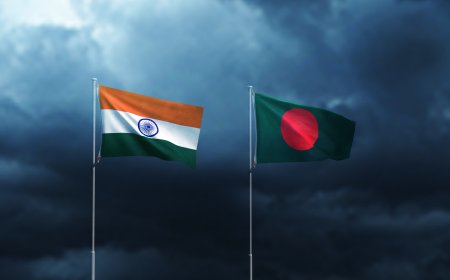
As Hasina professes a desire to return to Dhaka, then both governments should commit to taking steps to allow her to do so. Not as a returning prodigal daughter, but as a fugitive accused and convicted of crimes against humanity.

True sovereignty begins at home, built from the ground up through economic, cultural, and ecological self-determination.
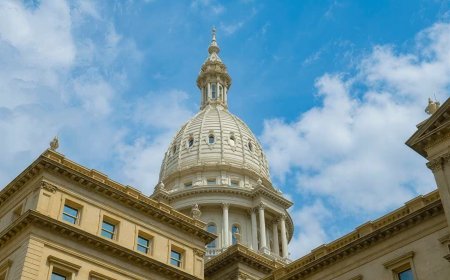
The Michigan primary was not merely a victory for one candidate. It demonstrated that authenticity could withstand unprecedented financial pressure. It showed that principled leadership still resonates with voters.