





























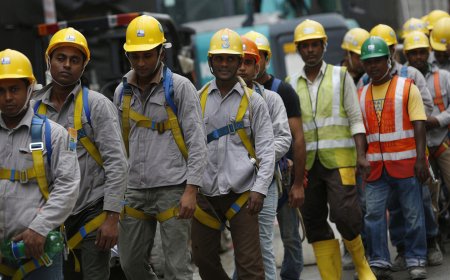





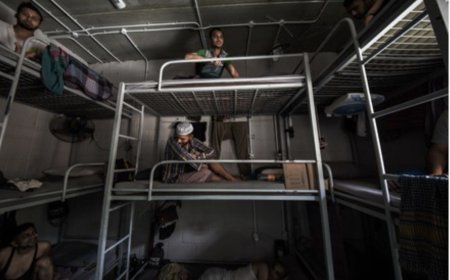





































The foundations of a prosperous nation are not built in the cloud. They are built on the ground, in plants and workshops and export zones, by people who make things the world needs. It is past time to look down from the screen and begin.

Tarique Rahman’s expected Malaysia-China sequence is a necessary correction to an India-centric past. Malaysia gives the visit diplomatic balance and China gives it strategic weight. But the correction will only succeed if it produces a wider foreign-policy basket without chipping away at Bangladesh’s sovereign decision-making space.

It should be the topmost priority of any government to ensure that our education system is running independently with the most competent and scholarly educators.

What good economic policies actually look like -- and how to tell when they are missing

The political cost of holding Salimpur is carried by whichever party is in power. But the failure is not new. The Awami League, the interim government, and the current administration have all inherited and repeated the same failure. In that sense, it is the same failure under three different governments.

We owe our daughters, sons and every future generation something better than inherited shame. We owe them safety. We owe them dignity. Let silence end where abuse begins, on our screens and in our streets; through words that challenge, actions that protect, and a resolve that no longer looks away.

The most successful developmental states were not necessarily those that possessed perfect knowledge from the outset. Rather, they were states capable of learning rapidly, adjusting policies pragmatically, and building institutional memory over time.
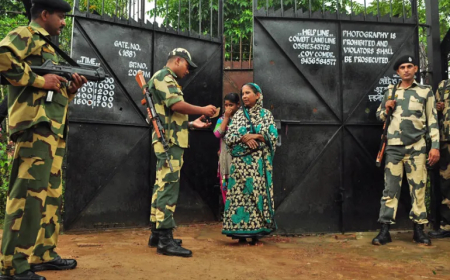
The clearest sign of gimmickry behind the so-called mission to control Bangladeshi immigrants is that the government has appointed a non-demographer to head an exercise on demographic change.

The Strait of Hormuz is more than a regional flashpoint; it is the definitive laboratory for the 21st century maritime warfare.

The problem is not only that laws fail after harm occurs, but that outdated laws make women unsure whether what they are facing is legally recognized as harm or not.

It has been exactly a month since the BJP emerged the winner in the Bengal assembly elections. Some changes are more visible than others.

Sovereignty is not maintained by lines drawn on a map or by seats held at the United Nations. It is maintained by the absolute certainty that if you attack the forces of the state, the state will break you.

The future health of Bangladesh depends not only on hospitals and medicine, but also on kitchens, schools, policies, awareness, and everyday choices made by ordinary people.

AI systems still require human oversight, localization, compliance handling, data verification, exception resolution, and cultural adaptation. These are precisely the areas where developing countries may retain relevance.

Corporate success is increasingly measured by size rather than substance.
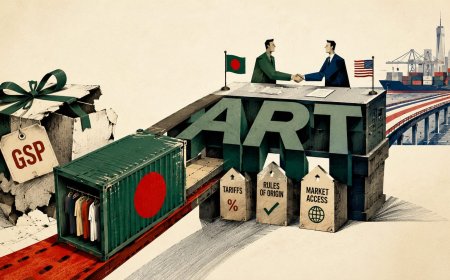
Global trade politics are changing. Reciprocity now matters far more in Washington than it once did.