






















































A country becomes innovative not when its officials announce innovation, but when its inventors no longer need to beg them for the right to build.
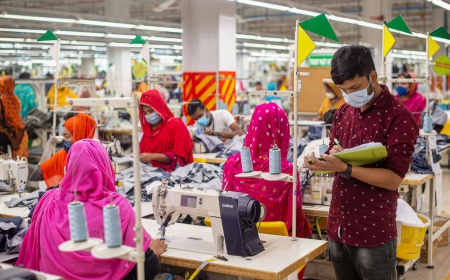
Postponing LDC graduation won't help us unless we use the time to fundamentally turn things around.
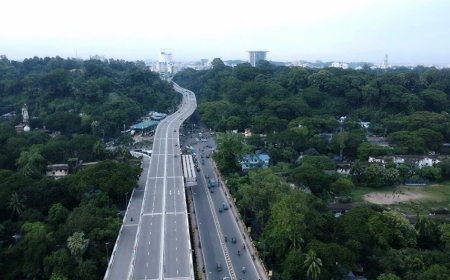
Why the $6 billion expressway must be financed by the people who will drive it -- and what the Global South can teach the West about infrastructure.

The most obvious solution is the legal system must criminalize online shaming and punish the cyber-harassers instead of forcing women to disable their accounts.

Women are neither vessels of national honour nor laboratories of cultural experimentation. They are citizens. And the value of a citizen lies not in her clothing, but in her ideas, her voice, her political convictions, and her contributions.
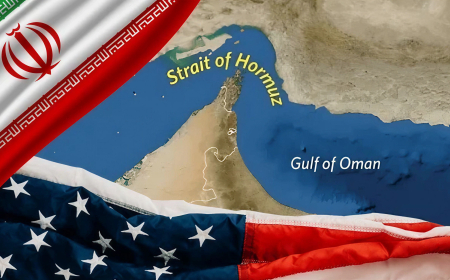
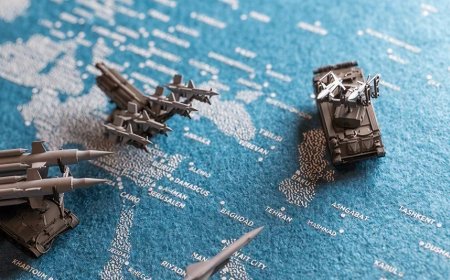
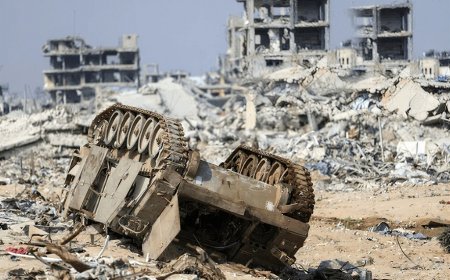
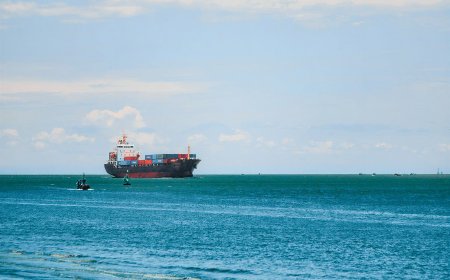
The US-–Iran memorandum ended a war on American terms. But the fine print on the Strait of Hormuz, like the rise of the mediators who brokered it, tells a more complicated story.

Bangladesh now has the diagnostic tools, the legal framework, and crucially, the public honesty about the scale of the task that previous governments lacked. What it does with that foundation over the next two to three years, not the next two to three months, is the real story still being written.

The government and private sector have an opportunity to work together to translate the positive policy signals contained in the budget into tangible investment outcomes. If we do so successfully, Bangladesh will not only attract foreign capital but also encourage successful members of the Bangladeshi diaspora to invest their expertise, resources, and networks in the country's future.

The simple rule is this: If something can be misunderstood, it probably will be. And if it can be said in a simpler way, it should be. Because people do not expect perfect speeches. They just want clear ones.

Only through a combined approach -- strengthened technical capacity, strict regulation, and informed public awareness -- can we ensure that vaccines retain their full effectiveness from manufacturer to patient, and that preventable tragedies are avoided.
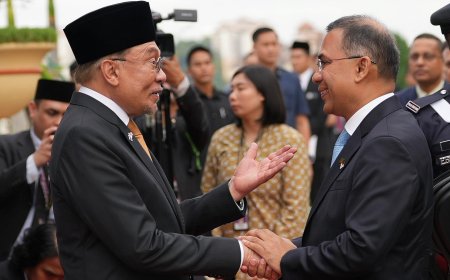
This is not a government choosing China over India, or East Asia over the West. Rather, Dhaka is trying to keep every door open for as long as the money keeps coming in and as long as no single lender or ally claims it exclusively.
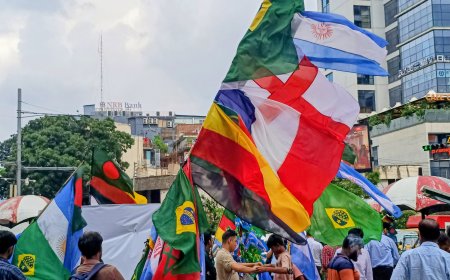
The distance between Bangladesh and the World Cup cannot be measured in kilometres. It is measured in institutions, accountability, planning, and political will. Perhaps one day, when the World Cup comes around again, one flag on that bamboo pole will sell just a little more than the rest.
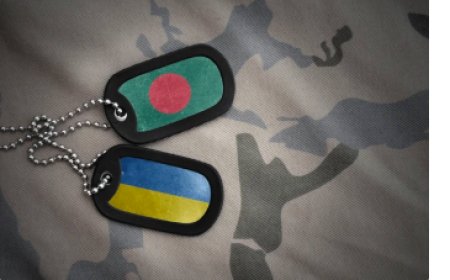
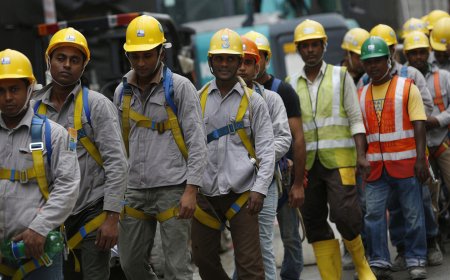
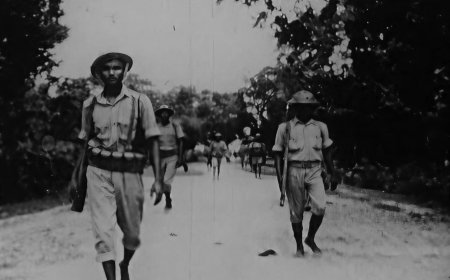
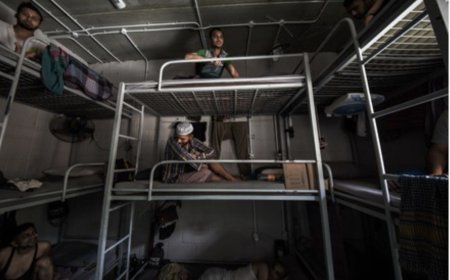
An unknown number of Bangladeshi young men whose families parted with savings of 10 lakh taka or more for the prospect of a better life for them, find themselves on a distant frontline in a war they never chose, in a country whose language they cannot speak, and fighting for a side they were never asked to join.
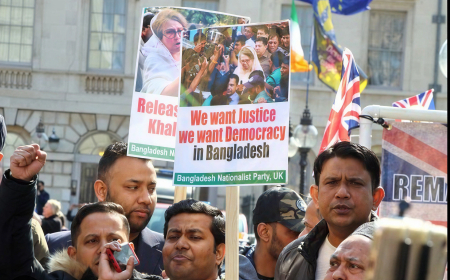
Democracy survives not because leaders are always virtuous, but because citizens possess the courage and awareness to resist injustice.
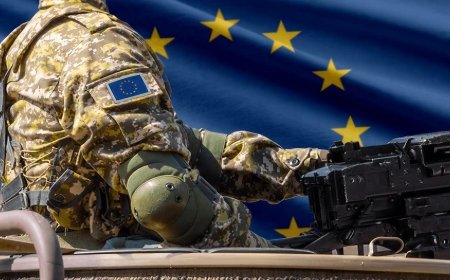
A more self-reliant Europe could also stimulate greater defence-industrial cooperation, increased arms exports, and new opportunities for technological and industrial partnerships with smaller states. It may ultimately contribute to a more multipolar international security environment in which European powers exercise greater strategic influence.
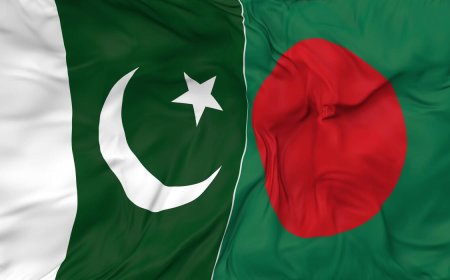
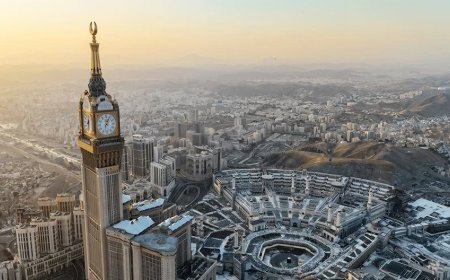
By placing Pakistan in MENAAP, the World Bank is giving institutional weight to this development path, one centred on migration, remittances, energy dependence, external finance and rentier capital. Pakistan’s reclassification is not Bangladesh’s crisis, but it is Bangladesh’s warning.