































































The significance of this visit lies in whether Dhaka brings the political alignment and focused preparation to match it. The advance preparation of specific project proposals, the investment conference architecture, and the push on FTA negotiations suggest it does.

The tragedy in Myanmar will not stop, the junta rules a hollow state, the rebels hold territory but don’t have a future vision moving forward.

The budget should tie its connectivity targets to affordability so that rural and low-income citizens can actually use what is being built, not just live within range of it.

However critical we may be, the role of the Indian media is noteworthy in the recent remarks of the ex-Chief Minister of West Bengal made on the case of Hadi killings. They collectively refrained, through mainstream and social media, from broadcasting the news publicly to preserve their national interests.

A political culture that cannot imagine women as independent political actors inevitably returns to patriarchy's oldest explanation: If a woman has succeeded, she must have traded her body for power. That explanation tells us very little about women. But it tells us almost everything about the society that produces it.

Climate activists paint a dire picture of rising temperatures devastating crops and fueling famine, but they are mostly wrong. Climate change will alter farming conditions, benefiting some areas, challenging others, with a net negative but negligible impact.

A higher public-sector wage bill may be justified, but without revenue reform and administrative restructuring, it could narrow Bangladesh's fiscal space for years to come.
Bangladesh does not need a government that owns everything. It needs a government that has the political will to solve issues from the perspective of its citizens and not of the ruling class.

Humans are not passive recipients of incentives; they are active interpreters who respond creatively, strategically, and sometimes opportunistically.

Fragmented payment systems, inconsistent fees, and weak interoperability are slowing Bangladesh’s transition to a truly cashless economy
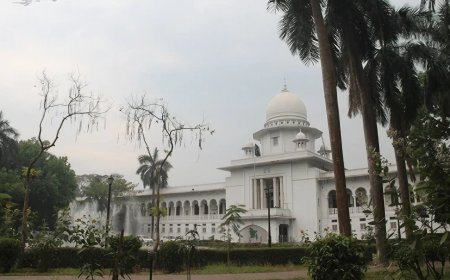
Democracies flourish when institutions remain stronger than personalities and when constitutional principles remain superior to partisan interests. Bangladesh's future cannot be secured through improvised arrangements or symbolic declarations alone.
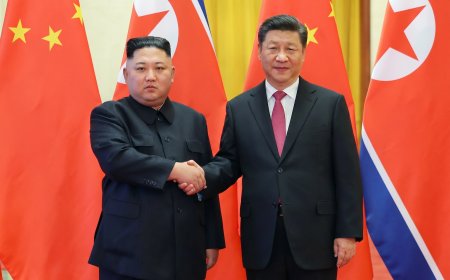
Kim is no longer the supplicant figure of earlier years. He bargains now. He postures. He makes patrons come to him.

If the former advisers genuinely believe that a small and influential circle bypassed established processes, then they should go beyond hints and partial disclosures. They should provide a complete account of how decisions were made, who made them, and why the broader advisory council accepted that arrangement.

A budget succeeds not because it contains attractive numbers but because citizens, investors, entrepreneurs, and international partners trust those numbers.

Liquidity is a necessary condition for industrial revival, but it is not sufficient.
The binary is brutally simple. Nations that negotiate as supplicants get extracted. Nations that negotiate as sovereigns get developed.