














































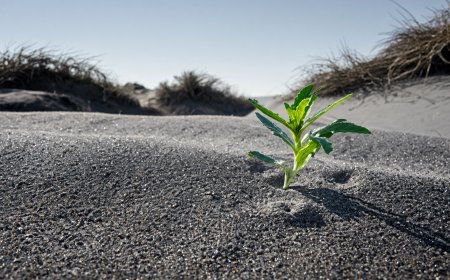
Treating such risks as specialist environmental concerns leaves the main political conversation disconnected from the foundations of national stability.
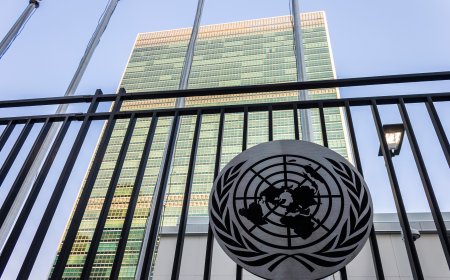
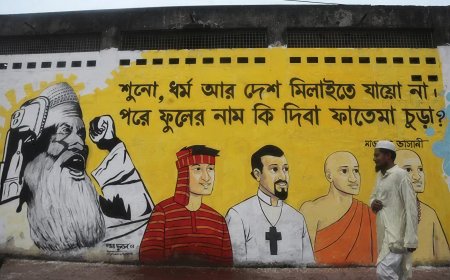
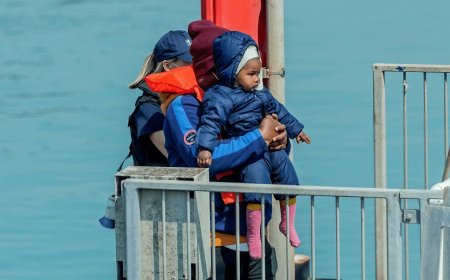
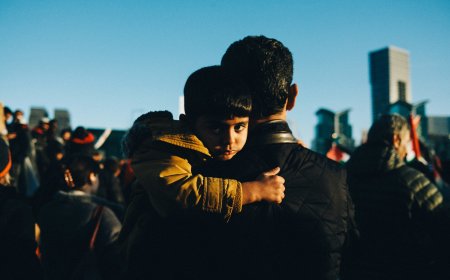
A country cannot prosper by shutting the world out. Nor can it prosper by opening itself so completely that others determine the terms. Hospitality works because it is reciprocal.
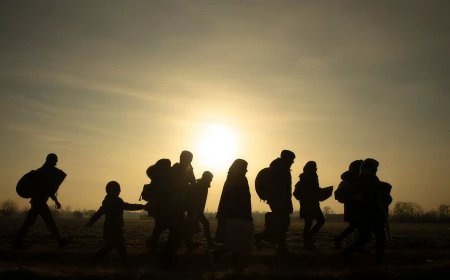
In the twenty-first century, the most successful nations will not necessarily be those that simply build higher walls. They will be those that build wiser and wider gates.

While recency bias plagues most All-Time XI lists, where how far you go back tends to depend on how old you are, with Bangladesh, we don’t really have to worry about that, as we can only go back to 2000 anyway.
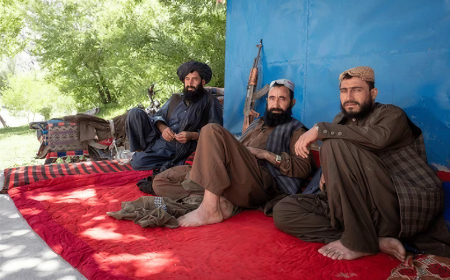
A regime fighting a two-front war against Pakistan and internal insurgents, unable to feed its own base, splitting at the leadership level, and now facing a resistance movement finally capable of operating on its own home turf.
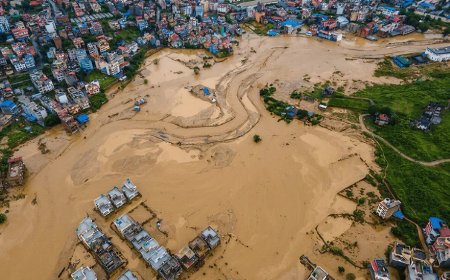
Satellite images show the glacial collapse on the North Face of Langtang was in Nepal itself
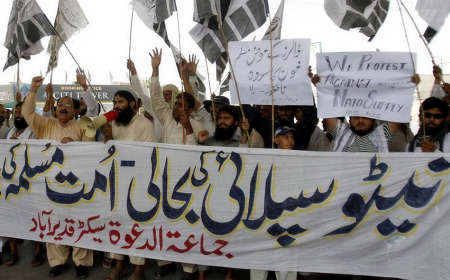
The military pact should not be viewed as an Islamic NATO. There are several reasons for this perspective. For one, there is no indication that a potential Indian attack on Pakistan would trigger a joint retaliation against India from all the signatories of the pact, the signature feature of NATO’s Article 5.

We do not have to say goodbye to fresh water because we build an AI data center. We might, however, make an entirely avoidable mistake if we approve the wrong cooling system in the wrong place, drawing the wrong water at the wrong time

The same discipline runs in reverse. “Got it.” “Saw it, on it.” Two words, and the loop closes from both ends instead of hanging open on one.
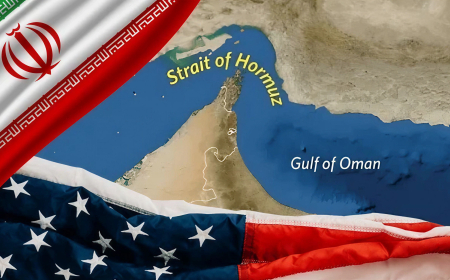
The US-–Iran memorandum ended a war on American terms. But the fine print on the Strait of Hormuz, like the rise of the mediators who brokered it, tells a more complicated story.

The simple rule is this: If something can be misunderstood, it probably will be. And if it can be said in a simpler way, it should be. Because people do not expect perfect speeches. They just want clear ones.
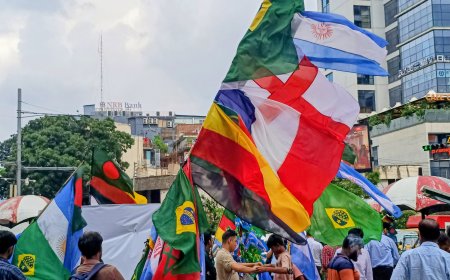
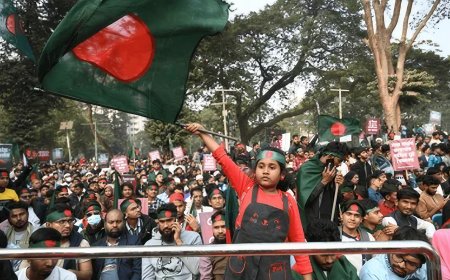
The distance between Bangladesh and the World Cup cannot be measured in kilometres. It is measured in institutions, accountability, planning, and political will. Perhaps one day, when the World Cup comes around again, one flag on that bamboo pole will sell just a little more than the rest.

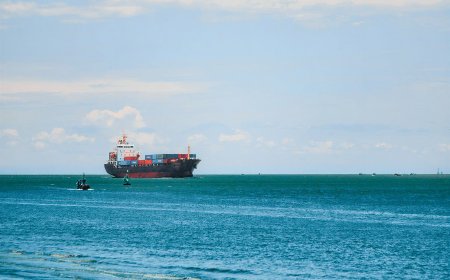
The Strait of Hormuz is more than a regional flashpoint; it is the definitive laboratory for the 21st century maritime warfare.
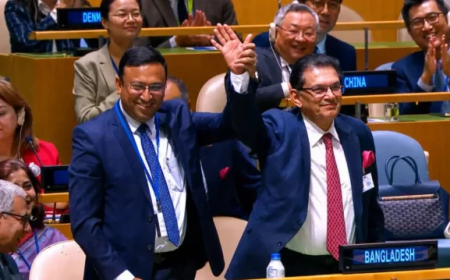
At a time when Bangladesh has often found itself on the defensive internationally, this victory offers a welcome opportunity for national confidence and unity.

The images of her with the cat and the milk aren't just pictures. They are a manifesto for a very specific kind of dignified living -- a life where glamour and domestic intimacy sit side-by-side, looking off into the middle distance, accepting the world exactly as it is.

Choosing to quit smoking is not merely about giving up a habit. It is about reclaiming health, protecting loved ones, and investing in a longer and healthier future.