




































































What good economic policies actually look like -- and how to tell when they are missing
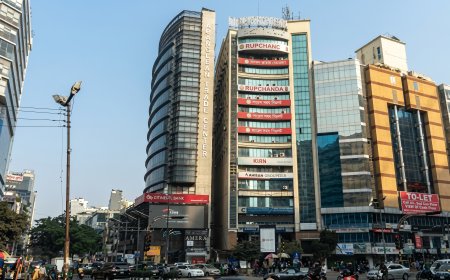
Corporate success is increasingly measured by size rather than substance.
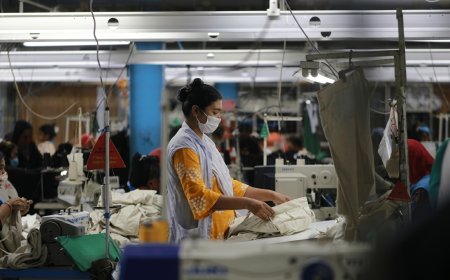
Injecting fresh credit into such entities risks creating 'zombie firms' -- businesses that survive on subsidized finance but fail to generate sustainable returns.
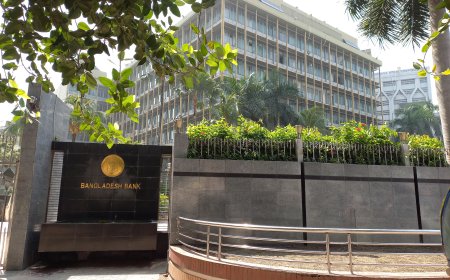
In structural terms, the policy reflects an ongoing evolution in Bangladesh’s financial regulatory framework -- from rigid quantitative controls toward more dynamic, risk-sensitive calibration.
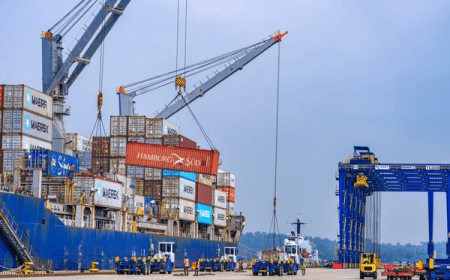
When the domestic market offers higher returns with lower risks, firms naturally prioritize domestic sales over exports.

When citizens pay taxes, they demand services, transparency, and governance in return. This creates a feedback loop between the state and its people

Financial inclusion cannot be measured solely by account ownership. It must be judged by whether a vendor can access 10,000 taka at 2 AM at a known cost, without humiliation or hidden charges, and with a pathway to better finance.

Exchange rate changes are often misunderstood, leading to exaggerated expectations. Policymakers need to clearly explain that depreciation does not fully translate into inflation or export gains.
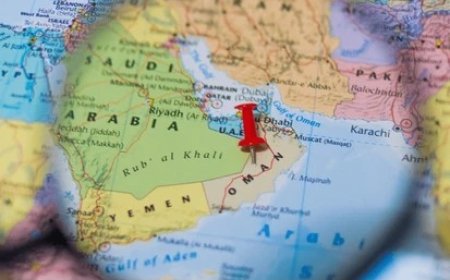
Leaving OPEC was a symbolic declaration to the Gulf that Abu Dhabi can no longer stay a passenger in the oil vehicle supplying the world.
The immediate steps are neither mysterious nor technically complex: Broadening the VAT base by reducing exemptions, strengthening the Large Taxpayer Unit to capture income from professionals and the informal wealthy, and automating tax administration to reduce discretion and corruption.
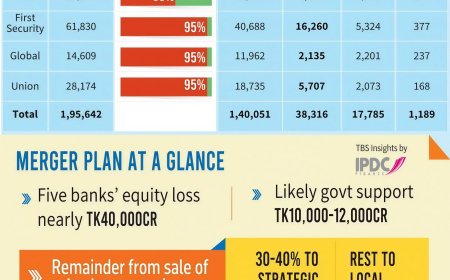
According to the Finance Minister's statement in parliament, the government has already paid more than 80,000 crore taka and will have to pay another 100,000 crore taka in the future to maintain the Sammilito Islami Bank under the Bank Resolution Ordinance.
Not only is the government expected to manage the current account deficit, but it is also expected to service the debt obligations it has inherited and pay for its electoral commitments, and yet somehow manage to bring inflation down.
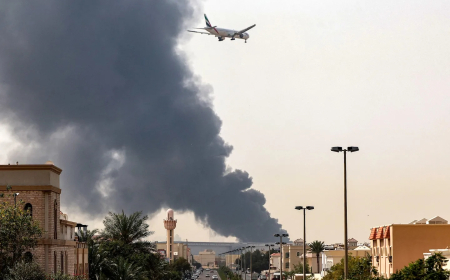
Iran and the UAE are bound by historic trade and migration networks and, more recently, by Dubai's role as a key hub for Iran to the global economy. Iranian missiles have shattered those ties.
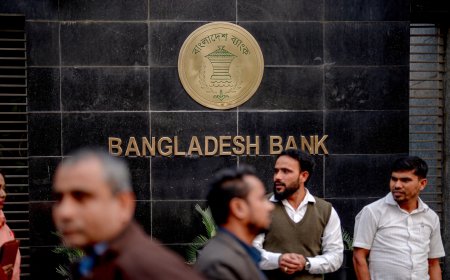
This second article in a three-part series argues that bad loans, political patronage, and cosmetic accounting turned Bangladesh’s banks into a public crisis.

The BNP government has now inherited the institutional resistance it generated and will need to find a way to manouvre around it. Bangladesh will find it extremely hard to finance its development ambitions unless it significantly improves its tax collection systems and addresses the political economy of doing so.

It is common to find opportunities from data intelligence to apply surcharges, taxes or strategic partnership or code sharing with other airlines or budget airlines for win-win operations.