






























































A trillion-dollar economy requires a financial system that can recognize risk, tolerate risk, and allocate capital with intelligence.
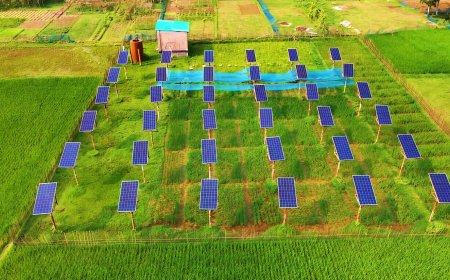
The integration of solar panels into agricultural land offers a practical pathway toward achieving energy independence, environmental sustainability, and resilient food systems in Bangladesh.
Policy predictability must become a cornerstone of economic management. Investors must be assured that agreements will be honoured and that regulatory frameworks will not shift unpredictably. At the same time, bureaucratic processes must be simplified and digitized to reduce delays and discretion.

Bangladesh now needs a clear economic roadmap and renewed emphasis on economic and energy diplomacy.

Reviving Saarc is a Sisyphean task, but it is one Bangladesh is uniquely positioned to undertake. In a world of hardening blocs, South Asia cannot afford to be the only region without a voice.
The country has already demonstrated remarkable resilience and creativity in its economic journey -- from garments to remittances to microfinance. The next chapter will require an equally bold shift in how capital is allocated.
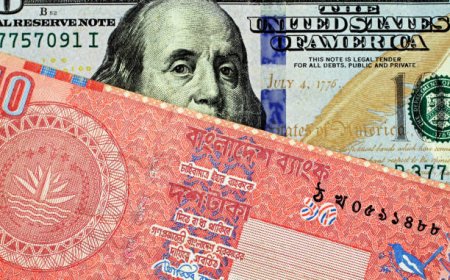
While the duration of the conflict and the peak of oil prices remain unpredictable, there is a silver lining. Analysts note that the BDT is not as significantly overvalued today as it was in 2022. Consequently, any potential "crash" or magnitude of depreciation is expected to be much lower than the volatility witnessed two years ago.
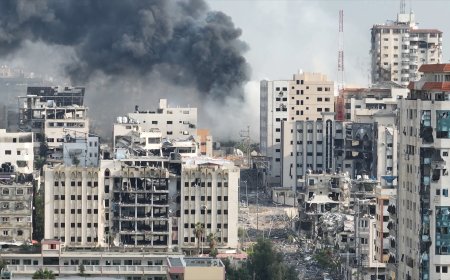
Israel’s budget deficit has tripled. Government spending has risen by 40%, while foreign investment has dropped by 60%. The economy is shrinking, and national income is falling. To cover its costs, the country is on its way to falling into a debt trap.

Import cost is ultimately a function of trust. When global banks and suppliers trust that payments will be made on time and that policies will remain predictable, they offer better terms. Conversely, when uncertainty prevails, they demand confirmation, higher spreads, and tighter conditions.
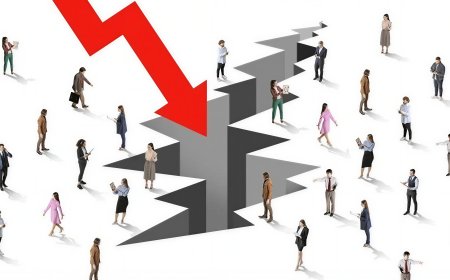
The constraint has never been a lack of opportunity. It has been risk, real and perceived. That is where development institutions can play a catalyzing role: Financing infrastructure, supporting regulatory reform and reducing risk.

We must break the silence of the graveyard. The cure for inflation is found in the shovel, the tax holiday, and the cold-room -- not in a 15% interest rate. To follow India’s policy is to finally choose a stability that breathes.
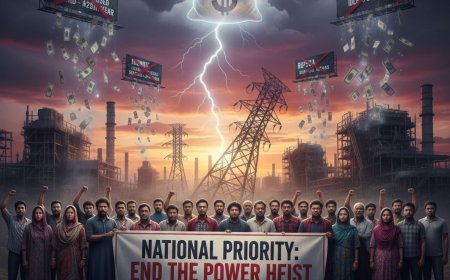
The National Review Committee’s report is not just an audit; it is a Directive for Sovereignty. The new government must now prove its commitment to the people by executing these three non-negotiable actions. The evidence is in. It is time for the new government to terminate the heist and reclaim our energy future.

Bangladesh is not on the verge of collapse, but it remains fragile. During periods of economic uncertainty, central banks must stay above politics. When monetary authority appears negotiable, inflation expectations shift, currency stability drops, and fiscal discipline weakens.
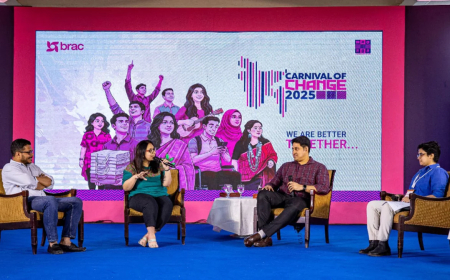
In nascent environments such as Bangladesh, early-stage survival rates are much more precarious, with student-led ventures facing closure within one to three years offormation. The demographic dividend of Bangladesh is still one of its biggest assets. But economic transformation doesn’t come through demographics alone. Systems do.
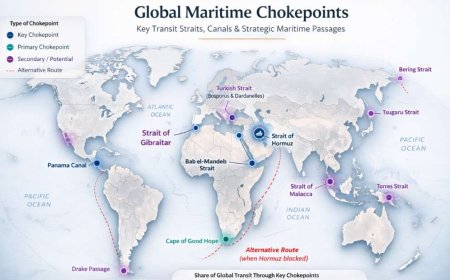
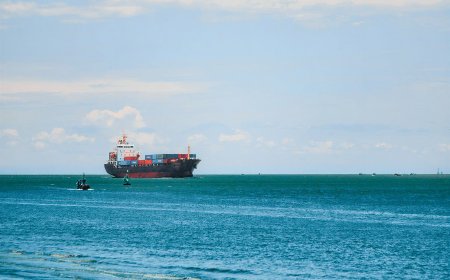
For Bangladesh, the closure of the Strait of Hormuz would not represent a diplomatic crisis with Tehran. It would represent a market crisis. The country’s exposure lies in its increasing dependence on globally traded LNG without deep diversification, strategic reserves, or substantial domestic alternatives.
You cannot have a stable nation where the youth are unemployed and the factories are silent. Stability built on silence is an illusion.