































































The most significant cost of Bangladesh’s new government pay scale may not be measured in government expenditure. It may be measured in incentives.

The nation needs a doctrine to specifically define what the state should exist for and what it should deposit into the people's account for a longer term than an electoral cycle. The plan can be subordinated to the doctrine to ensure continuity of governance, not of party.

Bangladesh does not need more boxes ticked. It needs evidence that financial crime is investigated regardless of who committed it, that stolen assets can be recovered, and that institutions can withstand political pressure.

A bank can hold substantial cash yet still be financially weak if years of loan losses have eroded its capital. This distinction is especially important in Bangladesh.

Bangladesh is training more young people, but the economy is not creating enough jobs to absorb them. The result is a growing gap between skills development and meaningful employment.

Lower interest rates can reduce the cost of borrowing. They cannot repair broken credit discipline, restore depleted capital, or rebuild confidence. Monetary policy can support economic recovery only when the banking system is capable of allocating capital on commercial rather than political grounds.

History rarely remembers institutions that made difficult decisions. It remembers institutions that made the right decisions at the right time. Bangladesh is currently going through a grand transformation in the banking sector where five scheduled Islamic banks are on the verge of being merged by the Government of Bangladesh.

Without serious commitment to implement reform in financial sector, revenue collection and governance, the initiative of issuing foreign currency bond seems like cart-before-the-horse case.

Nothing currently in place would produce a different result this time, and a mechanism, not a further calendar date, is what the Korean and Japanese examples both actually supply.
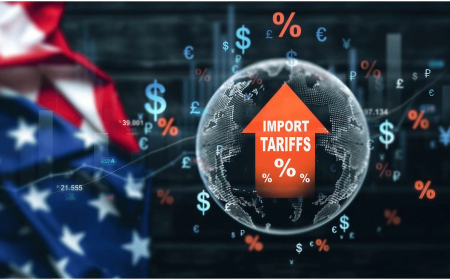
When viewed through the lens of the so-called Walmart Effect, the outcome is not necessarily one-directional and may even create certain opportunities for a low-cost producer like Bangladesh.

Unless we bail out bank depositors, we might experience bank runs, which could lead to economic collapse.
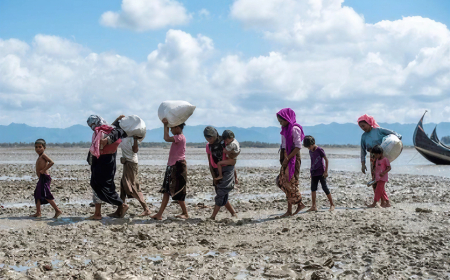
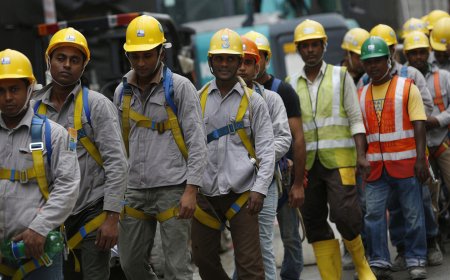
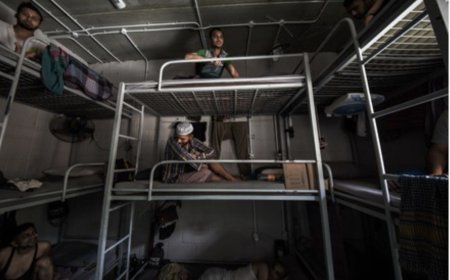
Bangladesh’s workers abroad now send home three and a half times what all the world’s donors disburse with no conditions, no consultants, and no debt to repay. It is time to say plainly which model is working.

The budget should tie its connectivity targets to affordability so that rural and low-income citizens can actually use what is being built, not just live within range of it.

Fragmented payment systems, inconsistent fees, and weak interoperability are slowing Bangladesh’s transition to a truly cashless economy

Liquidity is a necessary condition for industrial revival, but it is not sufficient.
The foundations of a prosperous nation are not built in the cloud. They are built on the ground, in plants and workshops and export zones, by people who make things the world needs. It is past time to look down from the screen and begin.