




























![A Ledger of the Soul: Navigating the Allah-Bhagavant Nexus in a 19th-Century Puruṣākāra Jñāna Caupara [Gyan Chauper]](https://counterpointbd.com/uploads/images/202608/image_430x256_6a93baa3b09a7.jpg)



















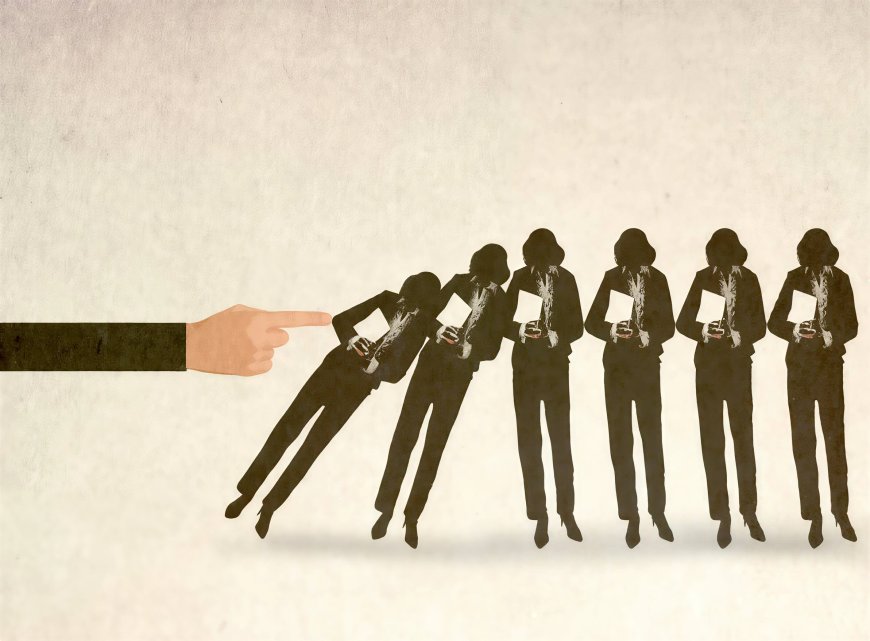
The Shroud of Sexism over Parliament
A parliament is not a place to demean women for their Islamic attire; its primary mandate is to protect and uphold the rights of every citizen. Failing to do so violates the democratic principles that the very institution was built to safeguard.

On June 14, Member of Parliament Monirul Islam Chowdhury used a crucial budget session to attack the attire of opposition female MPs, he reduced the highest legislative body in Bangladesh to a theatre of astonishing sexism. In doing so Chowdhury ignored the decorum and dignity required of his office to pick on his opposition female counterparts who cover their hair with hijab and faces in a niqab.
This was not only inappropriate but also a direct assault on others’ right to express their identity through their personal presentation in choosing attire when they come to the parliament building. This casts a dark shadow that blinds the lawmakers from focusing on urgent national issues like the budget.
In a budget session lawmakers discuss, debate the proposed financial blueprint for the upcoming fiscal year. Such a session usually takes priority over violation of one’s constitutional rights, personal choice in choosing their attire, professional principles, and freedom of expression. Such regressive attacks kill the dignity of the debate. Infringing on the rights of others is a violation of both constitutional and human rights.
As widely reported in the media instead of questioning the opposition members Chowdhury expressed frustration that the female MPs sitting on the opposition bench covering their faces with a niqab makes it hard for him to know “what is there.” Such comments are sexist not to mention dehumanizing.
Moving away from the economic realities of today he chose to mock his female colleagues’ choice of hijab/niqab. Not only was this an immense failure of his public duty; this kind of mindset has no place in a casual public place, let alone a parliament floor. That is where laws are proposed and debated and the MPs sit as elected officials.
To make matters worse he made further derogatory remarks about the wife of the opposition deputy leader. Predictably, it ignited a wave of outrage and opposition Chief Whip Nahid Islam stood up to object by calling out “racist behaviour” and brought the matter to the attention of the speaker.
Later, Chowdhury retracted his unpleasant remarks and those were expunged from the official record. However, this does not solve the bigger problem as to why a male lawmaker can think he has the right to comment on how women choose to dress and try to diminish their professional authority and integrity.
The MP’s unusual and unacceptable remarks that when women cover their faces with a niqab it is hard for others to recognise them as to who they are. Maybe so to some extent but it does not prevent others from listening as to what these women lawmakers have to say.
Why was it necessary to make a commotion by interrupting a budget session discussion and divert the attention to the female colleagues’ head and face covers? Was it a case of identity mix-up or the worst form of misogyny? Why make hurtful comments that have nothing to do with the policies? Didn’t it take the focus away from national issues that impact the lives of millions?
Whether this disruption ruined the budget session is not the issue; the issue is the weaponization and policing of women’s attire during an ongoing session. Such blatant political misogyny demonstrated one man’s need to control women by perpetuating paternalistic dynamic requiring male intervention.
He also was ignoring the parliament to be a serious place to discuss national matters. How does a woman covering her hair with a hijab or putting a niqab over face hinder discussing serious economic issues the country is going through? A budget session used as a place for policing women’s clothing is highly unacceptable.
Doing so undermines showing professional respect and creates a toxic double standard by reverting the veiled members to a visual object. Such degrading male chauvinism should not be tolerated in any public office.
Imagine if the female MPs face such harassment at a place where laws are passed and amended; what do the everyday women face in their lives when they venture out in public places. Perhaps some male members of the parliament want women to wear clothes that are deemed appropriate by them. But they have no right over their colleagues’ right to express their views about how they dress individually.
What length will people with such mindsets go to control and shame women? Too much covering is not good; too little destroys modesty, what is a woman supposed to do?
In majority Muslim Bangladesh, women come from all kinds of places and backgrounds. Those who aspire to be political figures whether they were elected or filling in quotas reserved for women; they are there to participate in debates, object to legislatures that are being drafted with the same confidence as the male MPs.
I cannot emphasise enough that their attire and way of life absolutely should not make into a discussion during an ongoing budgetary session. External criticism by using a woman’s attire as a political prop is an attempt to deny women their right to choose.
It is indeed sad that this recent incident tried to show that female leaders perhaps cannot debate policy on equal footing if they cover their faces with a niqab. Something of this nature seriously challenges women legislatures’ ability to speak, values they hold, what they stand for within a male dominated parliament. It saddened me to read how personal identity can be ridiculed to make a fuss on others’ religious and personal garments.
Undoubtedly, this scrutiny shifted the focus from fiscal policies to sexist dress code enforcement. Moreover, it sheds light on how using colleagues’ covering their faces is an attempt to control the elected women. It speaks volumes about how our patriarchal society tries to pester and put women under surveillance even in a parliament chamber.
Removing thoughtless and sexist comments from the official transcript only treats the symptoms but fails to eradicate the underlying deep-seated bias and sexism against women. However, one lawmaker’s way of thinking and disgraceful comments does not reflect on everyone else.
We need to keep in mind that the unforeseen episode was not just about the hijab and niqab; it was also to lessen the right of women to govern as equal partners. Such behaviour demands urgent scrutiny and everything must be done to maintain parliamentary decorum. Otherwise, it signals a worrisome institutional divide that extends far beyond one offensive comment.
A parliament is not a place to demean women for their Islamic attire; its primary mandate is to protect and uphold the rights of every citizen. Failing to do so violates the democratic principles that the very institution was built to safeguard. Bangladeshi parliamentary members should work together to remove misogynistic behaviour and look past the veils women wear.
They must pay closer attention to what they have to say. Otherwise, allowing this type of behaviour to continue sends a chilling message to those women who are entertaining the idea to enter politics.
Zeenat Khan is a US-based writer and translator specializing in opinion columns, fiction, and non-fiction. She translates works of Tagore, Jasimuddin, Nazrul, and Al Mahmud into English.