
























































A Philosopher Wrote about Bangladesh in 1971. Now He is Back with a New Idea.
Singer first wrote about Bangladesh as a crisis. The idea he brings back has been working here for nearly 50 years. The question is whether more of our businesses will try it.

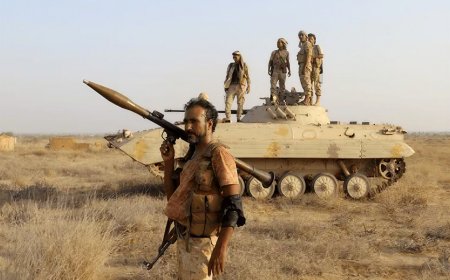
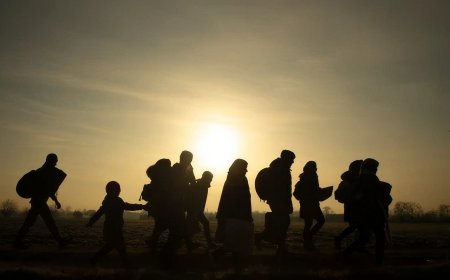
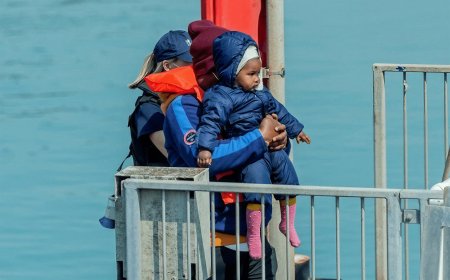
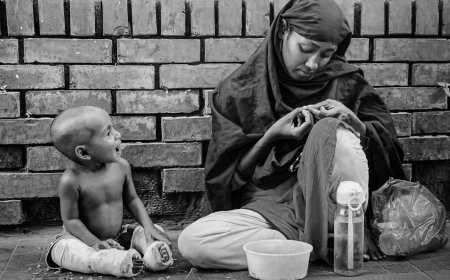
In November 1971, a young Australian philosopher at Oxford began an essay with this sentence: “As I write this, in November 1971, people are dying in East Bengal from lack of food, shelter, and medical care.” Nine million refugees from the Pakistan army’s crackdown were in camps in India. Rich governments gave little. Britain, he pointed out, had spent more than 30 times as much on the Concorde as it gave the refugees.
The philosopher was Peter Singer. His essay, Famine, Affluence, and Morality, argued that if you saw a child drowning in a shallow pond, you would wade in and save her, even if it ruined your clothes. Distance changes nothing. A refugee outside Kolkata has the same claim on a comfortable family in London. Singer called helping her a duty.
That essay, written about us, became the starting point of the effective altruism movement. Few Bangladeshis know this.
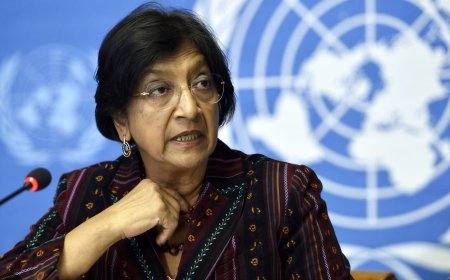
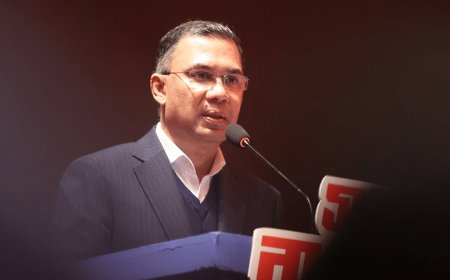
Singer arrives in Dhaka later this month. His current cause is Profit for Good: Companies that give all or most of their profits to people in need. Newman’s Own, the American food brand, has given away all its profits since 1982.
This differs from CSR as we Bangladeshis practise it. Here, CSR is a cost line. It earns banks a tax rebate and often pays for blanket drives under large banners. Profit for Good starts after the costs are paid, and asks where the profit itself goes.
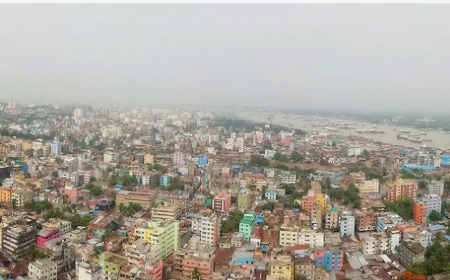
Our business thinking still keeps profit and welfare in separate accounts. Owners keep the profit. Welfare is left to the government, to zakat, or to a CSR budget. The 2022 Household Income and Expenditure Survey shows the result: the richest 5% of households took 30% of national income, while the poorer half of the country shared 19%.
The gap is easy to see at the dinner table. An upper-middle-class Dhaka family that buys a bucket of fried chicken every weekend spends as much on the chicken in a month as one of the poorest households earns in that month. If the family did something as simple as skipping the weekly chicken feast and gave that money away instead, that poor household’s income would roughly double.
Singer would then ask whether the money is doing the most good it can. Tk 1 lakh can give a village one Friday meal of beef and khichuri. The same amount can buy school supplies for five children for a year. The beef is gone by Saturday.
The same test applies to public money. When Bangladesh borrows from Japan or the World Bank at low interest, taxpayers in those countries are in effect giving to us. Our own citizens will repay the loans, so they are giving too. Whether that money goes into a new flyover or into better classrooms is exactly the kind of choice Singer’s question was made for.
Critics say this lets the state off the hook, since protecting the poor is the government’s job. They are partly right. Taxes and public services have to carry most of the load. But while the gap lasts, asking the well-off to give, and to give carefully, does little harm.
Bangladesh already has proof that profit and welfare can live in the same company.
For instance, Aarong began in 1978 because traders took months to pay the women spinning silk in Manikganj. Today it is one of the country’s best-known shops, works with tens of thousands of rural artisans, most of them women, and sends half its profits to BRAC programs for people in poverty. It has no private shareholders.
Singer first wrote about Bangladesh as a crisis. The idea he brings back has been working here for nearly 50 years. The question is whether more of our businesses will try it.
Faruq Hasan is a development worker and a political analyst.