


































































What Robin Khuda’s Investment in India Tells Us
The government and private sector have an opportunity to work together to translate the positive policy signals contained in the budget into tangible investment outcomes. If we do so successfully, Bangladesh will not only attract foreign capital but also encourage successful members of the Bangladeshi diaspora to invest their expertise, resources, and networks in the country's future.


The recent investment decision by globally successful entrepreneur Robin Khuda has generated considerable discussion within Bangladesh's business community.
As a chamber leader, I view this development not as a setback, but as an opportunity to reflect on how Bangladesh can further strengthen its position as a competitive destination for investment, innovation, and entrepreneurship.
Robin Khuda's achievements are a source of pride for all Bangladeshis. His success demonstrates the talent, resilience, and entrepreneurial spirit that Bangladesh continues to produce. At the same time, his decision to invest in India highlights the intense global competition for capital, technology, and high value investments.
In today's interconnected economy, investors evaluate countries based on a combination of market opportunities, policy stability, infrastructure readiness, ease of doing business, and long term growth prospects.
Foreign Direct Investment remains an area where Bangladesh has significant room for improvement. While the economy has expanded substantially over the past decade, annual FDI inflows have remained relatively modest. Bangladesh attracted approximately US$2.83 billion in FDI in 2015, but inflows have fluctuated between US$1.4 billion and US$2.4 billion in subsequent years, reaching around US$1.5 billion in 2024. These figures indicate that Bangladesh has yet to fully capitalize on its economic potential and strategic advantages.
The business community therefore welcomes the investment-oriented measures announced in the national budget. The decision to maintain stable corporate tax rates provides certainty for investors and supports long-term business planning. The government's intention to gradually reduce corporate tax rates as the tax base expands sends a positive signal regarding Bangladesh's commitment to enhancing competitiveness.
Equally encouraging are measures designed to lower the cost of investment and financing. The reduction in withholding tax on machinery lease payments and foreign loan interest will help industries access technology and capital at more competitive rates. Such initiatives can contribute significantly to industrial modernization and productivity growth.
The proposal to establish Free Trade Zones is another forward-looking initiative. By allowing duty-free imports for export-oriented manufacturing, processing, and warehousing activities, these zones can strengthen Bangladesh's integration into regional and global supply chains.
Likewise, the liberalization of foreign ownership restrictions in off-docks and Inland Container Depots, along with new policies for private ports and air cargo facilities, can attract much-needed investment into logistics infrastructure.
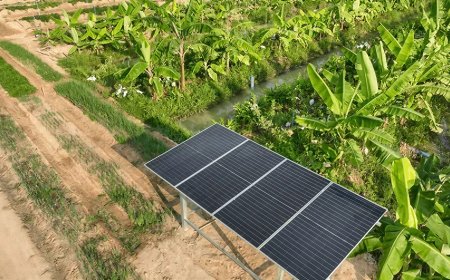
The chamber community is particularly encouraged by the government's focus on emerging sectors. Incentives for renewable energy, electric vehicle manufacturing, semiconductors, electronics, batteries, and digital technologies align with global investment trends and create opportunities for Bangladesh to diversify its industrial base.
The support extended to startups, SMEs, freelancers, and technology entrepreneurs is equally important. The reduction of turnover tax for startups, expanded tax-free income thresholds for SME entrepreneurs, and tax exemptions for freelancing and digital content creation will help nurture the next generation of innovators and job creators.
Furthermore, accelerated depreciation benefits for investments outside Dhaka and Chattogram will encourage more balanced regional development and help create economic opportunities throughout the country.
While these policy measures are highly encouraging, successful implementation will be critical. Investors seek consistency, transparency, and efficiency.
Simplifying regulatory processes, ensuring timely approvals, strengthening institutional coordination, improving access to serviced industrial land, and maintaining reliable energy and digital infrastructure will further enhance investor confidence.
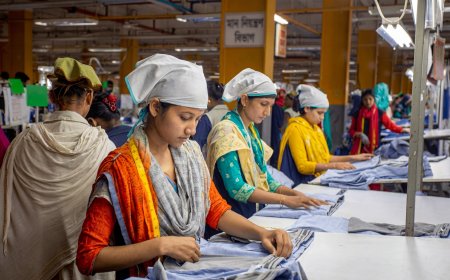
Bangladesh possesses many strengths that investors value: a young workforce, a large domestic market, strategic geographic location, growing digital connectivity, and a resilient private sector.
By building on these strengths and effectively implementing the reforms already underway, Bangladesh can become a leading destination for investment in South Asia.
The lesson from Robin Khuda's investment decision is not that Bangladesh lacks potential. Rather, it reminds us that investment is highly competitive and that countries must continuously improve their business environment to attract global entrepreneurs and investors.
The government and private sector have an opportunity to work together to translate the positive policy signals contained in the budget into tangible investment outcomes.
If we do so successfully, Bangladesh will not only attract foreign capital but also encourage successful members of the Bangladeshi diaspora to invest their expertise, resources, and networks in the country's future.
Our objective should be clear: To create an environment where globally successful entrepreneurs see Bangladesh not only as their homeland, but also as one of the most attractive destinations for investment, innovation, and sustainable growth.
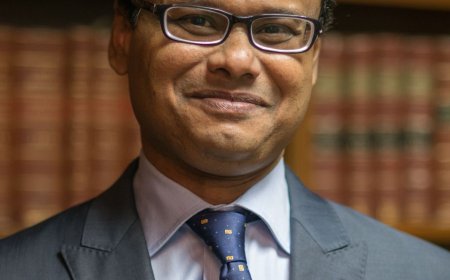
Asif Ibrahim is a former president of Dhaka Chamber of Commerce and Industry (DCCI).