











































































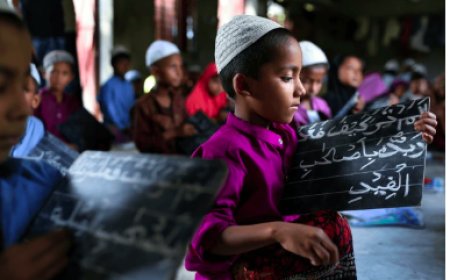
To halt this blind expansion of those who cannot tolerate any difference of opinion, and to protect our collective future, rising against this destructive system and radically transforming it is the greatest demand of our time.

Today, we understand far more about how children learn, how creativity develops, and how deeply our survival depends on our relationship with nature. Yet our education systems often seem designed for a world that no longer exists.

Bangladesh needs emergency protocols that operate before photographs go viral, independent technical review of every national question paper, public disclosure of examination failures, and a transparent remedy for affected candidates.

It should be the topmost priority of any government to ensure that our education system is running independently with the most competent and scholarly educators.
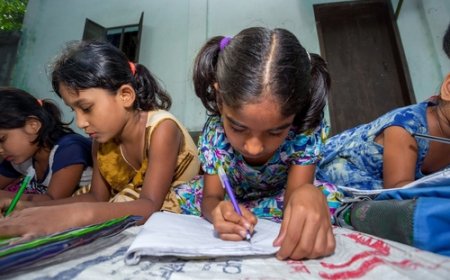
In the end, the controversy is not about a mechanism. It is about a mindset. It reveals a society that remains deeply anxious about opportunity and deeply divided in access to it.
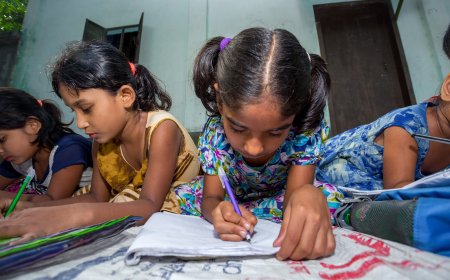
Governments have changed. Elections have come and gone. Political narratives have shifted -- sometimes dramatically. Yet NCTB has remained reliably unable to perform its most basic function.

AI has and may usher in many wonderful opportunities and possibilities. But, at the same time, AI may be the last nail in the coffin of that glorious era where a broad-based social mobility achieved through higher education brought about greater economic and political equality.
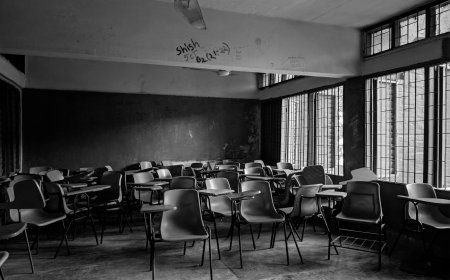
Too many young people complete the school years without the skills they need, families are financially squeezed, and the system still treats education more like fee collection than nation-building.

Bangladesh has a large, talented youth population eager to study and contribute abroad. The US should double its student intake from Bangladesh to tap into this potential, boost its economy, and strengthen long-term partnerships.

Edtech and e-learning are not a silver bullet. They are just one piece of a complex and many-layered puzzle that we need to solve to deliver education to the masses.








