
































































First Do No Harm
Are people living today any morally superior to people of the past, when there is so much war, inequality, exploitation and for that matter, modern slavery in our global supply chains today? It seems unlikely, but the need to address them is even more urgent.
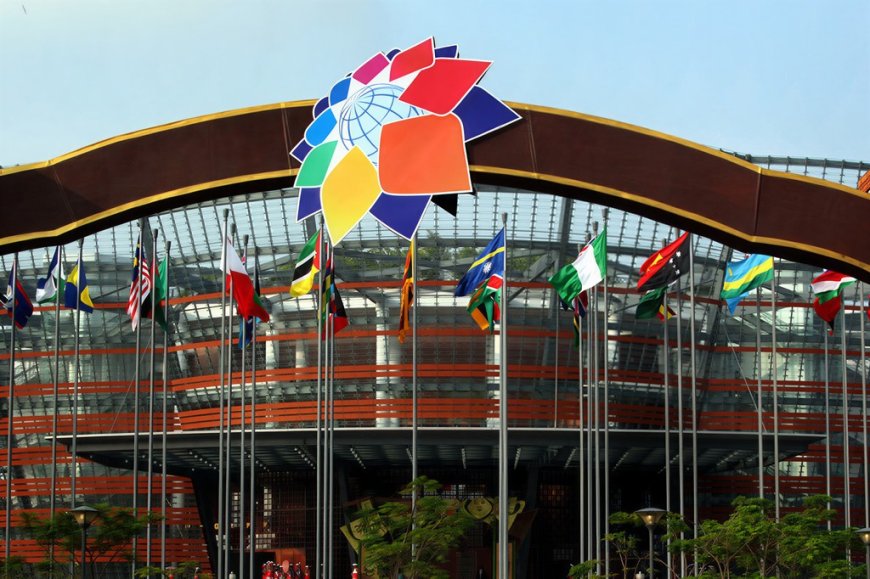
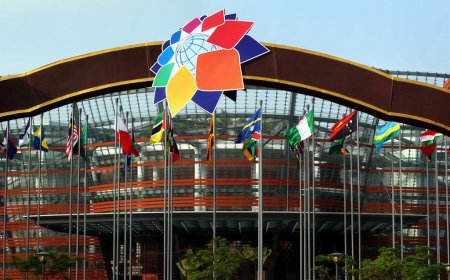
Officially the theme of the 2026 Commonwealth Heads of Government Meeting in Antigua was the run of the mill sounding ‘Accelerating Partnerships and Investment for a Prosperous Commonwealth.’
Coverage was dominated however by the UK government slowly but publicly edging towards issuing some sort of formal apology for its role in the Transatlantic Slave Trade.
Obviously, calls for such statements go back centuries but the summit host Gaston Browne, prime minister of Antigua and Barbuda led the way by calling for a Commonwealth reparations framework built around formal apologies, the return of cultural property and reparatory funds for debt relief and development.
In turn, UK prime minister Andy Burnham acknowledged the need for the UK to confront its history adding he was open to “calls for a formal apology on behalf of the British state” while expressly rejecting financial reparations as he “does not think that British people today can be held liable for historical wrongs, however heinous, that happened in a different age under different laws in which they played no personal part.”
By publicly attending the summit, by no means a given these days with many key Commonwealth nations like India, Malaysia and South Africa dispatching only ministers or diplomats, Burnham showed his support for attempts by his Foreign Minister Ed Miliband to try and reinvent the somewhat moribund Commonwealth process. Wishful thinking in a post-colonial world, but an upbeat message in keeping with Burnham’s intent to lead with a more open and positive outlook than his predecessor Keir Starmer.
The UK’s takeaway from the summit seems to be that officials will listen and work towards drafting a formal apology and the UK will try to arrange and announce an international package on debt restructuring/relief for developing nations ahead of its hosting of the G20 Summit in Manchester next November.
Warm words then but nothing soon to calm the hot air and perennial culture war debates that plague discussion of issues like colonialism and slavery. (Not that there is anything wrong with factually based references to Arab and African slave traders.)
So it was that every word used by King Charles in his opening ceremony speech on November 3 has been debated in every possible direction. “We cannot change the actions of those who came before us.
The transatlantic trade and enslaved person still cast the shadow over these islands and other members of our Commonwealth. I've said before that shameful chapter of history is one that fills my heart with horror and my soul with the most profound personal sorrow. Yet history teaches us evil need not have the last word.”
In part, some of these sentiments have been expressed before and are reflected curators of museums and monuments becoming more active in discussing slavery and racism.
But historical injustices were so great and their legacy so deep that however defensible or logical Burnham’s position on rejecting financial reparations might be, it naturally arouses strong emotions. Infamously, in 1833 when the British government abolished slavery it borrowed 20 million pounds, a sum equivalent to two fifths of its budget at the time to compensate 46,000 slave owners in the West Indies, South Africa and Mauritius for so-called “loss of property.”
The sum borrowed was worth at least 17 billion pounds today and the last tranches of interest on the government bonds issued was only paid off in 2015.
The UK is not alone in such history. 21 years after Haiti became the first country to free itself from slavery and colonialism via a successful slave uprising in 1804, it was forced by French warships blockading its trade to take on crippling debts for over a century to ‘compensate’ French slaveowners.
And as every viewer of Spike Lee’s films ought to know from the name of his production company, ’40 acres and a mule’ was the amount of land specified in a short-lived Field order made by victorious US army General Sherman at the end of the US Civil War in 1865 to be given to newly emancipated slaves, before being revoked.
Colonial history and conflicts make questions relating to reparations even more complex. While assumptions and methodologies remain contentious, academic estimates of the wealth extracted by the British empire from the Raj soar into the tens of trillions of dollars.
Given the total GDP of all SAARC nations and the UK together today is less than nine trillion dollars and even the most aspirational UN target for rich nations to give in development aid is 0.7% of national income, debating the accuracy of such amounts only takes us so far.
Shashi Tharoor acknowledged as much in a 2015 Oxford Union debate that he won supporting the motion 'Britain owes reparations to her former colonies' by ending his speech stating that the principle of moral reparations, such as acknowledging a shared history, returning cultural artifacts like the Kohinoor diamond, and building a fairer global trade system today matters more than amounts for the past suggesting a payment of ‘one pound a year to India for 200 years’ could potentially carry symbolic weight.
Of course, calls for financial reparations are simpler to support when victims and perpetrators and/or their direct descendants are still living, but even those situations might raise moral quandaries, or be ignored completely by a more powerful party.
Given goodwill and intent, it should be straightforward for politicians to support a pragmatic mix of the principles and proposals discussed above. These are not new issues or ideas.
When discussing something as inhumane as slavery, it is also important to show humility.
Acknowledging and atoning for past injustice is a worthy and necessary goal.
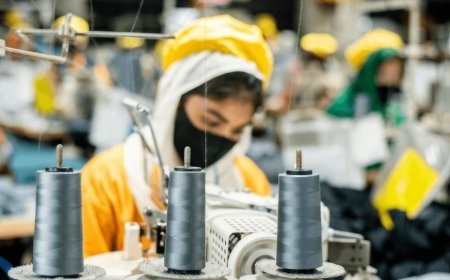
But are people living today any morally superior to people of the past, when there is so much war, inequality, exploitation and for that matter, modern slavery in our global supply chains today?
It seems unlikely, but the need to address them is even more urgent.
Niaz Alam is the Dhaka Tribune London Bureau Chief.