

















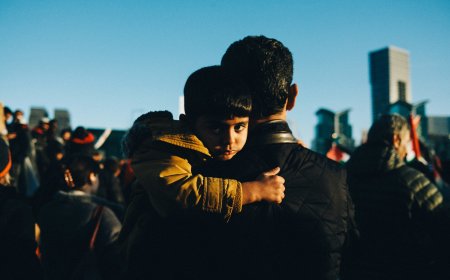




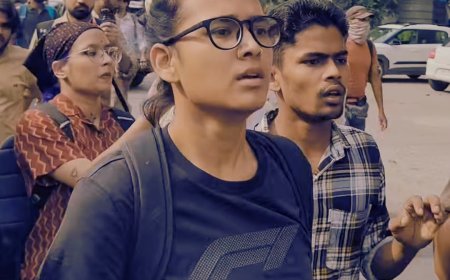
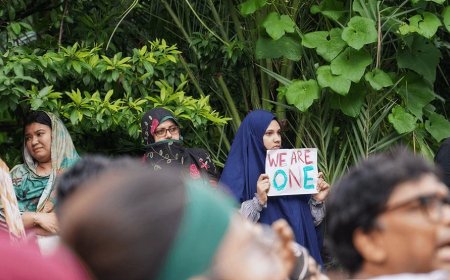
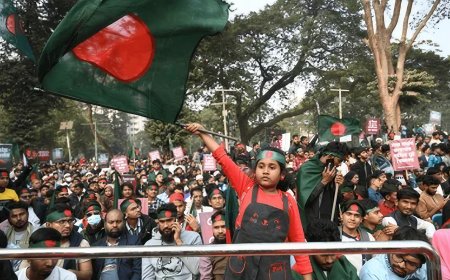







































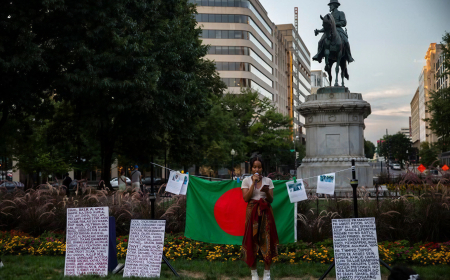
For many, the desire to contribute extends far beyond remittances -- it reflects a deep and enduring connection to the country.
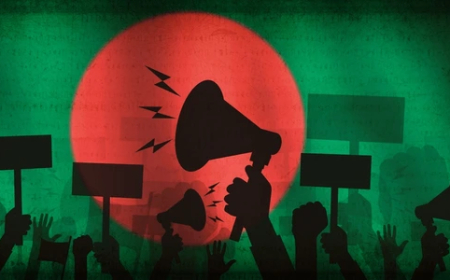
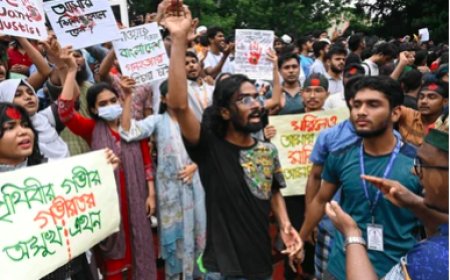
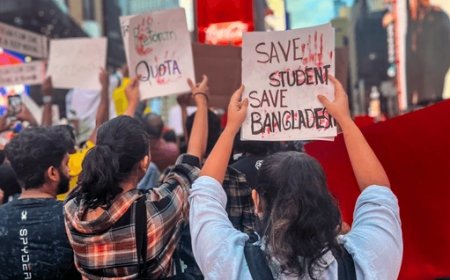
In this environment, terms like “deep state conspiracy,” “foreign funding,” etc provide a ready‑made vocabulary for dismissing the July uprising as manufactured rather than acknowledging the real anger that drove it.
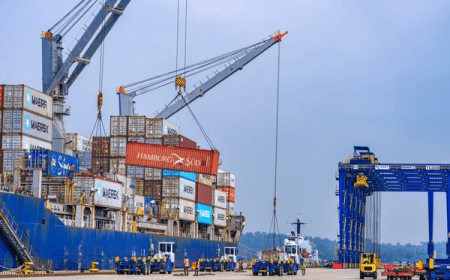
When the domestic market offers higher returns with lower risks, firms naturally prioritize domestic sales over exports.
Incorporating constitutional education into all faculties could play a significant role in developing informed, responsible, and constitutionally aware citizens.
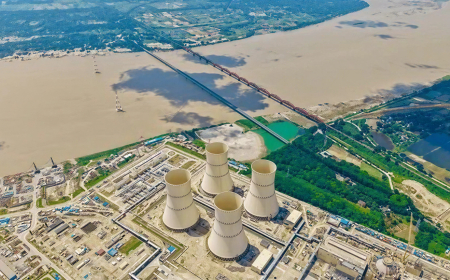
The recent trade agreement with the US could stop Bangladesh from building any more nuclear power plants.

Visibility is not cosmetic. It is accountability. A case should not disappear into bureaucratic darkness simply because the public has moved on.
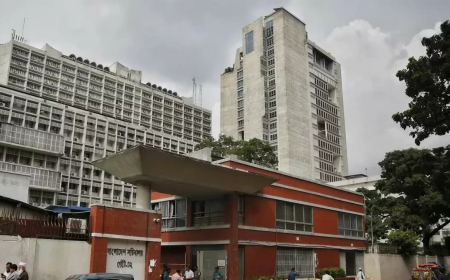
Democracy should not borrow the language of rulers to describe public servants.
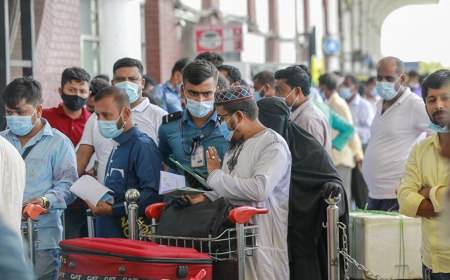
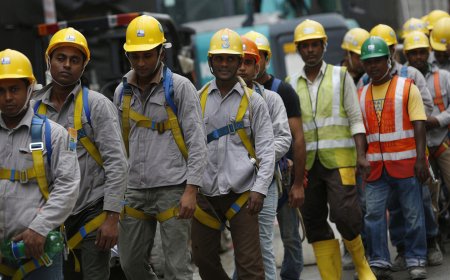
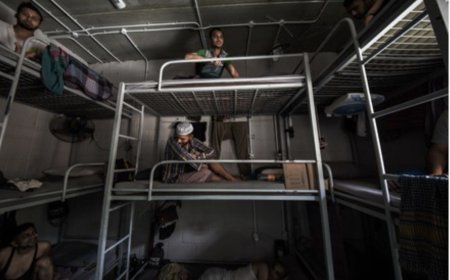
The workers did their job. Now the state needs to do its part. Our remittances are as big as our garments. So why does one get a ministry and the other get a circular?

There is a real gap between what universities teach, how students learn, and what employers increasingly need.
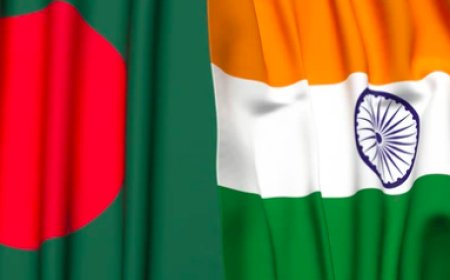
Does it mark the end of an era, or return to a bygone era in which Hindu-Muslim clash was a celebrated theme? The Muslim-majority Bangladesh next door, which has just survived a massive political upheaval, adds urgency to our query.

What India did for us is real. What India has done to us, and what it has told itself to justify that, is the projection.

A farmer in Rangpur, a student in Barishal, an entrepreneur in Khulna, or a patient in Sylhet should not feel disadvantaged simply because they live outside Dhaka.
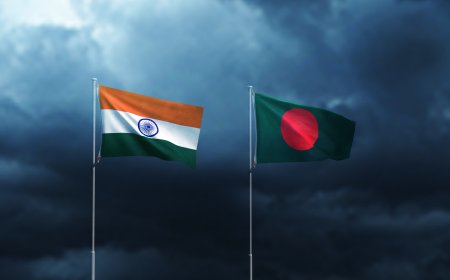
An already weakened Bengali Nationalism is going to be almost moribund. At the core of Bengali Nationalism is a common social and cultural heritage of the Bengali speaking people in both sides of the border.
The question is whether Bangladesh has the courage to apply the same scrutiny to every class of collaborators past and present, left and right, secular and religious and to build a republic where proximity to power is no longer the country's most valuable currency.