

























































Our historic task is not merely to change who governs Bangladesh, but to change how Bangladesh is governed -- and how we, as citizens, understand our responsibilities to one another and to the nation

The government deserves credit for pushing out its electoral promises at the soonest, without being bogged down by the bureaucratic miasma. It deserves credit for providing a long-term aspirational strategy. However, the government must now pivot to confront the crisis of confidence that is imminent.
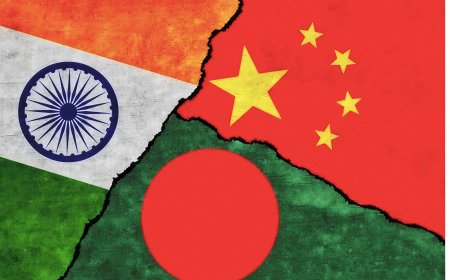
Bangladesh does not need an India-first, China-first, Russia-first or West-first foreign policy. It needs a Bangladesh-first foreign policy. And perhaps the simplest test of such a policy is this: Which choice leaves the country with more doors open?

While recency bias plagues most All-Time XI lists, where how far you go back tends to depend on how old you are, with Bangladesh, we don’t really have to worry about that, as we can only go back to 2000 anyway.
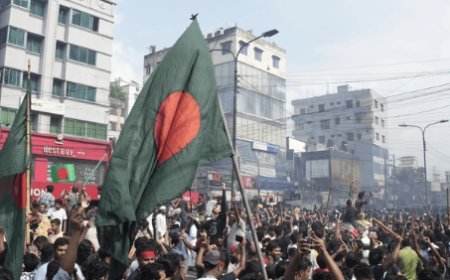
The Bangladesh we aspire to build will not emerge from slogans alone. It will emerge from the courage to reform, the discipline to implement, the wisdom to learn, and the integrity to put national interest above narrow interests.

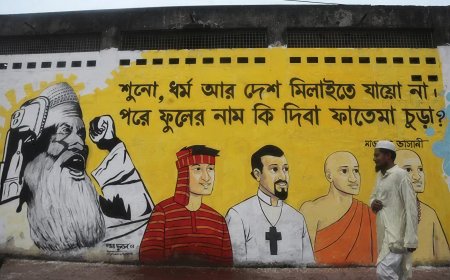
Bangladesh does not need another generation that merely knows how to speak about religion, culture, patriotism, or morality. Perhaps we need a generation that knows how to live them. And perhaps that is where the real Bangladesh begins.

As the global aid system shrinks itself by design, Bangladesh is being asked to do more, with less, twice over -- once for a million Rohingya it did not create, and once for a climate crisis it did not cause.
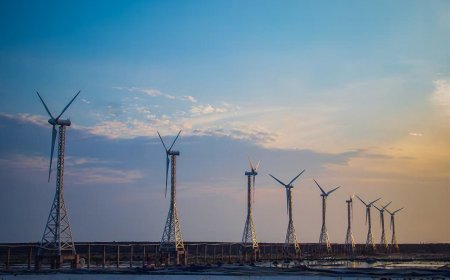
At the same time, Bangladesh is producing a growing number of university graduates who are struggling to find productive employment. Rather than treating these two problems separately, Bangladesh should connect them.
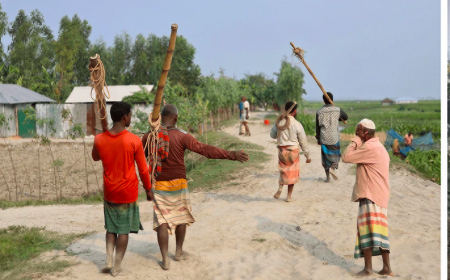
Our loyalty belongs strictly to Bangladesh, to our rivers, to our workers, to our ecology, to our farmers, to our reforestation, and to our children. It is time to discard every foreign proxy and forge a new political vocabulary

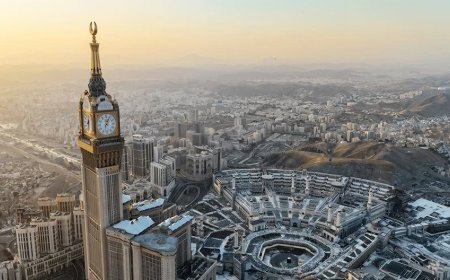
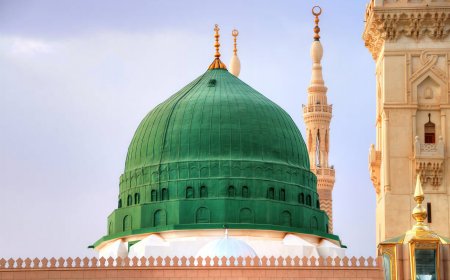
Bangladesh’s possible entry into the Mecca Pact would be a consequential foreign-policy decision, testing whether the BNP government can translate its “Bangladesh First” policy into a strategic and politically sustainable choice.
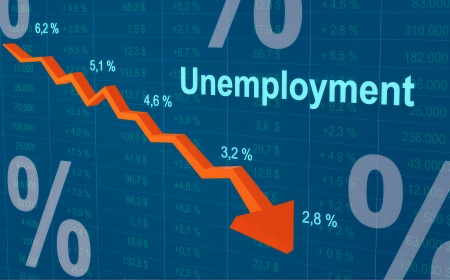
Bangladesh is training more young people, but the economy is not creating enough jobs to absorb them. The result is a growing gap between skills development and meaningful employment.
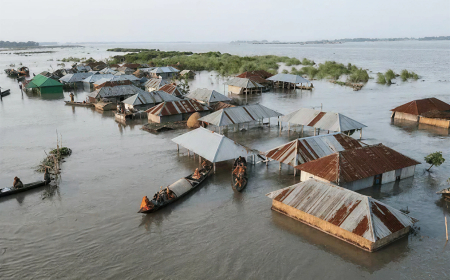
Climate mobility should not be viewed exclusively through the lens of loss and displacement. When supported by effective policies, mobility can contribute to economic development, strengthen resilience, and expand opportunities for affected populations.
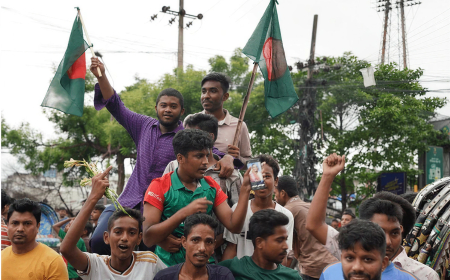
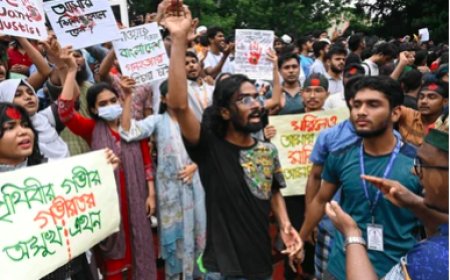
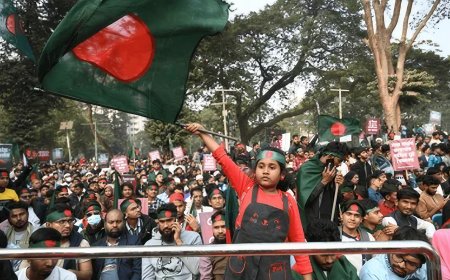
Bangladesh has already demonstrated that revolutions can go viral. The unfinished challenge is ensuring that reform becomes institutional.

The government is still following the crawling peg system, allowing the exchange rate to vary between lower limit and higher limit with the difference with the market rate no more than a Taka.

If the chair simply remains empty, the summit proceeds, other states advance their interests, India absorbs the symbolism without changing its behaviour, and Bangladesh returns home with little more than domestic applause, then it was not leverage. It was an opportunity lost.
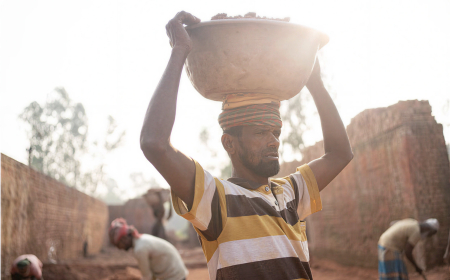
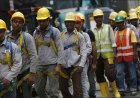
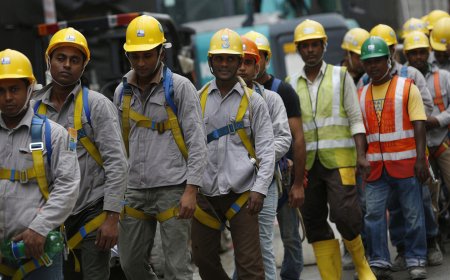
A group was huddled within the narrow shadow of a work pickup truck eating a minimal meal, beneath that smile lies an invisible, chronic condition damaging the lungs with microscopic sharp particles