






















































In a world driven by technology and innovation, the value of human intellect far exceeds that of raw materials. Countries that fail to recognize this shift risk being trapped in cycles of dependency and underdevelopment.
The contrast between our technological ambitions and our moral shortcomings raises an uncomfortable possibility. What if our progress is fundamentally unbalanced? What if we have mistaken the expansion of capability for the advancement of civilization?
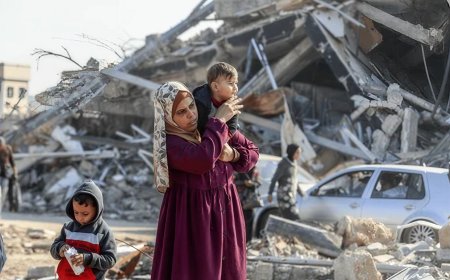
For civilians, of course, the distinction between pause and resolution may seem academic. The absence of immediate violence is a tangible relief. But from a structural perspective, the conditions that produced the war remain unchanged.
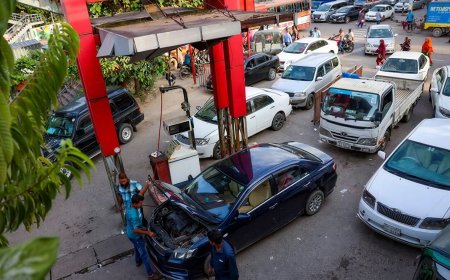
Already, there are signs of classic crisis behaviour. Panic buying, hoarding, informal resale of fuel at inflated prices, and rising tensions at petrol pumps. These are not the symptoms of a stable system. They are the early tremors of a breakdown in trust.
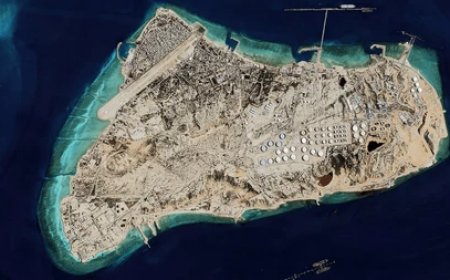
Modern warfare increasingly targets economic infrastructure rather than traditional military formations. Oil terminals, pipelines, power plants and ports have become instruments of pressure in conflicts across the world. The objective is not merely to defeat an enemy army but to weaken an adversary’s economic foundations.
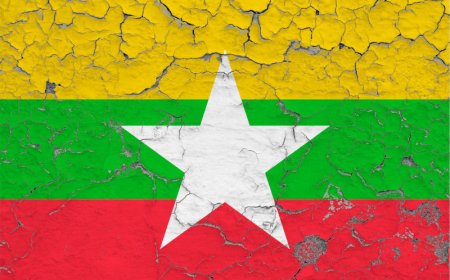
Myanmar stands as a stark reminder that in today’s world, geography is destiny only until strategy intervenes
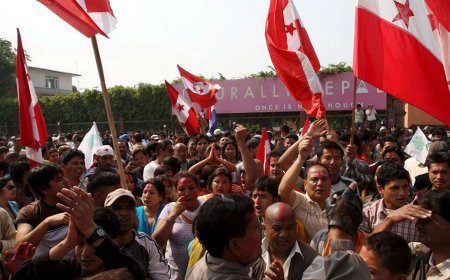
Bangladesh’s political terrain is considerably more rigid. Dynastic narratives continue to exert powerful influence over voter perceptions. The Awami League remains closely associated with the legacy of Sheikh Mujib, while the BNP continues to revolve around the Zia family. In such an environment, new political movements must not only compete with established organizations but also confront deeply embedded historical loyalties.
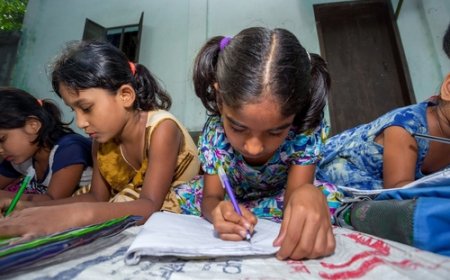
In the end, the controversy is not about a mechanism. It is about a mindset. It reveals a society that remains deeply anxious about opportunity and deeply divided in access to it.
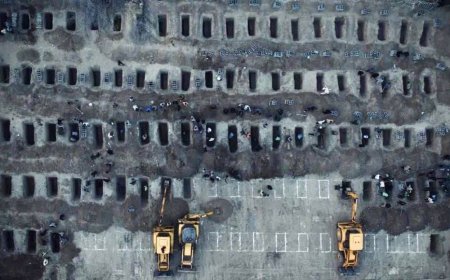
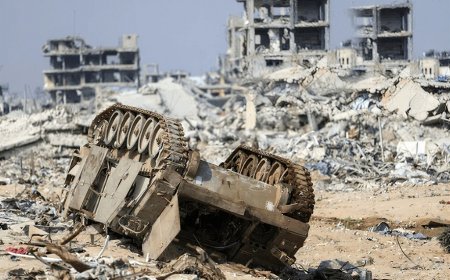
It is often said that there is no personal loss to the architects of war. That statement may be rhetorically exaggerated, yet it captures an essential imbalance. Decision-makers operate at a distance from the battlefield. Their families are rarely in the line of fire.

Bangladesh’s higher education story is often told as one of expansion and access. It is time to tell the other half of the story, the one about relevance, rigor and responsibility. Degrees alone do not build nations. Skills do.
The notion that Jamaat-e-Islami is on the cusp of ruling Bangladesh tells us less about Bangladesh’s politics and more about the fantasies and anxieties of those observing it from insulated rooms.
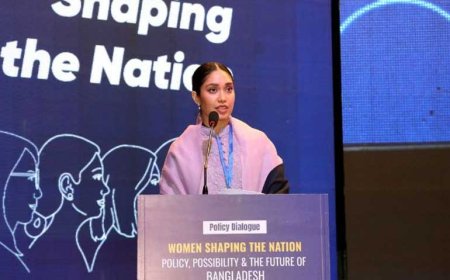
The most enduring line of her address may be her insistence that empowerment must reach homes, institutions, and mindsets simultaneously. This is not a comfortable demand. It implicates everyone.
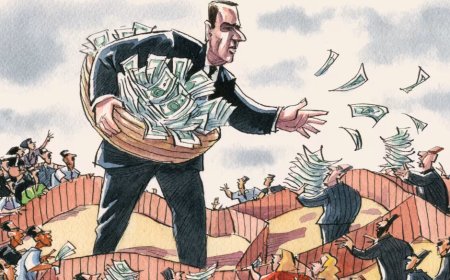
As the nation approaches another election marked by controversy and uncertainty, the composition of its candidate list serves as both a warning and a mirror. It reveals not only who seeks power, but why they seek it.

What is ultimately at stake is not merely the ease of obtaining visas. It is how Bangladeshi citizens are perceived as participants in the global order.
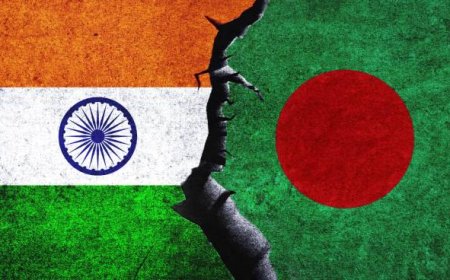
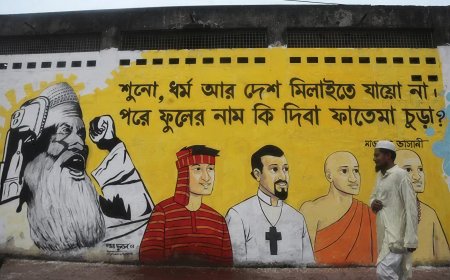
Concern about minority safety in Bangladesh is not illegitimate. But when that concern is amplified selectively, weaponized by domestic political actors, and accompanied by conspicuous silence on India’s own minority challenges, it acquires the flavour of moral exhibitionism.
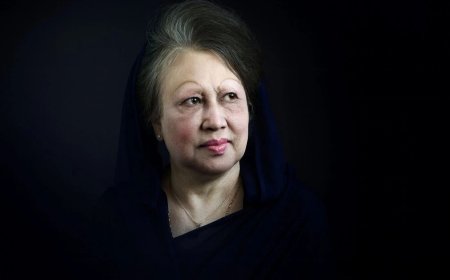
When the history of modern Bangladesh is eventually written with the clarity that distance allows, Khaleda Zia will not appear only as a former prime minister or as the chairperson of a major political party. She will appear as a woman who challenged inherited assumptions about power in a society unprepared for her presence.