
















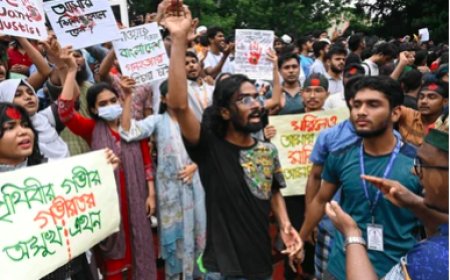






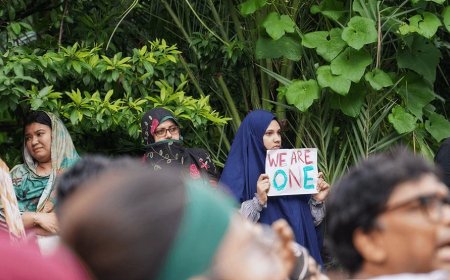





































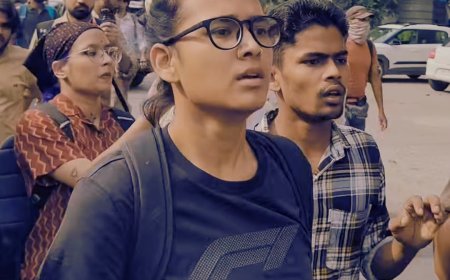
Bora's story reminds us that student politics is not necessarily a rehearsal for mainstream politics. It can be a laboratory for a different kind of politics, one in which the boundary between campus issues and national questions is increasingly blurred.

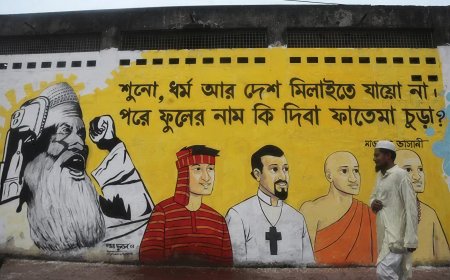
Freedom was never merely the achievement of a flag, a territory or a government of our own. Its deeper promise was the creation of a society in which human dignity would not depend on political affiliation, religious identity, social status or the mood of a crowd.

A nation is not protected merely by police stations, courtrooms and prison cells. Its deepest security is found in the trust between a child and the adults around them. If that trust collapses, no number of arrests after a tragedy can repair it.
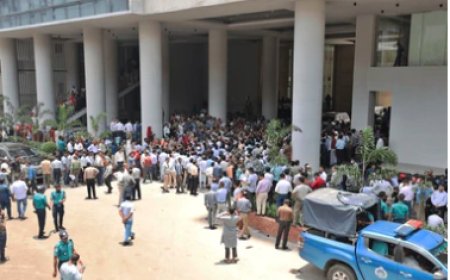
In public recruitment, discretion is not automatically a sign of sophistication, and subjectivity is not automatically a measure of quality. Sometimes the most modern recruitment system is simply the one that leaves the least room for anyone to ask who was favoured and why.
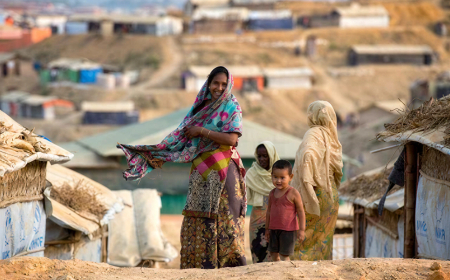
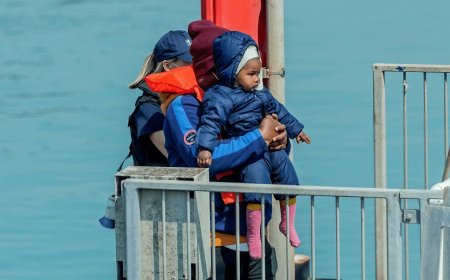
The Rohingya do not need another anniversary of international concern. They need a credible pathway to a future.
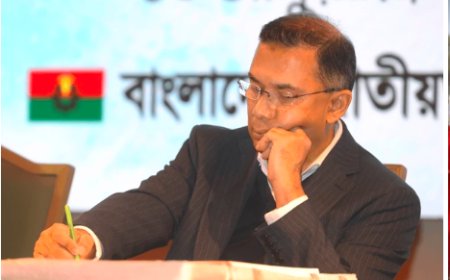
The value of a 180-day plan lies precisely in BNP's ability to make the early report card meaningful. If the clock was started by BNP itself, it cannot now complain that citizens are watching it.

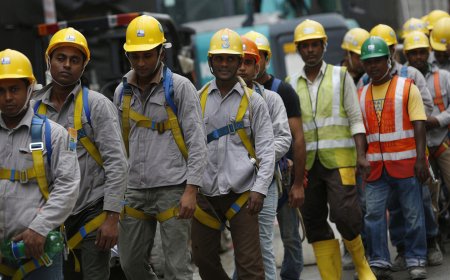
Bangladesh is training more young people, but the economy is not creating enough jobs to absorb them. The result is a growing gap between skills development and meaningful employment.
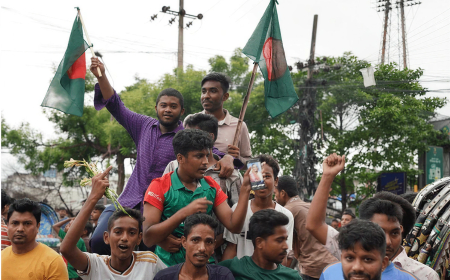
Bangladesh has already demonstrated that revolutions can go viral. The unfinished challenge is ensuring that reform becomes institutional.

Dismiss early grievances, personalize criticism, stigmatize opponents, mistake force for authority, answer old questions, control information instead of rebuilding trust and confuse institutional power with public legitimacy. These are not uniquely Bangladeshi mistakes. They are universal governmental temptations.
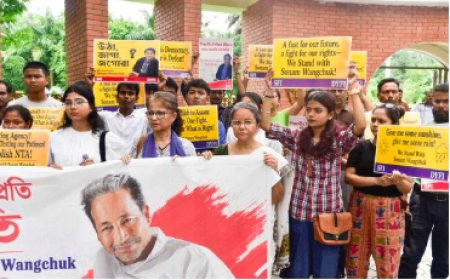
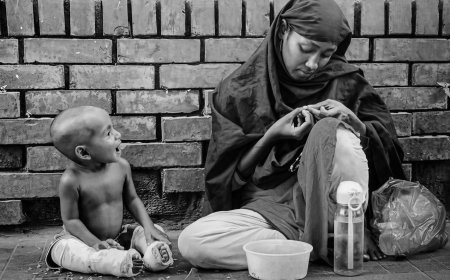
Democracy is ultimately sustained not merely by constitutions or institutions but by public trust. Once that trust begins to starve, feeding the body alone is never enough. The institutions themselves must learn to nourish hope before protest becomes the only language left.

If the former advisers genuinely believe that a small and influential circle bypassed established processes, then they should go beyond hints and partial disclosures. They should provide a complete account of how decisions were made, who made them, and why the broader advisory council accepted that arrangement.
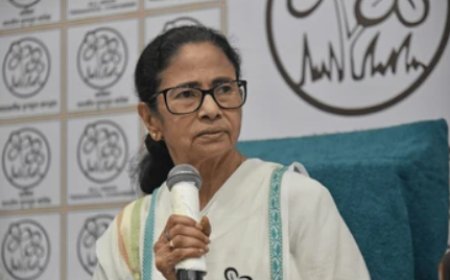
Mamata Banerjee governed Bengal through emotional familiarity. She spoke the language of neighbourhood grievances, middle class anxieties, and Bengali insecurity about national marginalization. For years, that intimacy protected her from anti-incumbency.
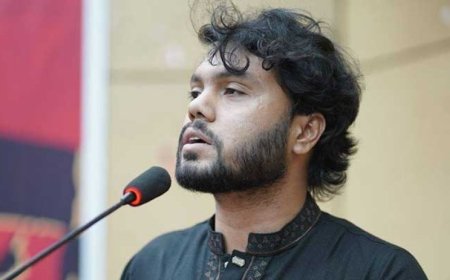
It feels unjust to see a human life reduced to a symbol of negativity, especially when that reduction is driven by forces beyond the individual’s control. Yet the reaction itself cannot be dismissed as irrational. It is the product of a pattern that has become too consistent to ignore.

The path ahead is neither simple nor short. Decades of accumulated practices cannot be undone overnight. Yet the absence of immediate transformation should not become a justification for inaction.

When power is built in ways that are not openly contested, when structures are created without clear political labelling yet function as extensions of a particular ideology, the line between organizational growth and concealed control begins to blur.

The systems that govern the world are powerful, but they are not immutable. They derive their strength, in part, from acceptance, from the belief that they cannot be altered.