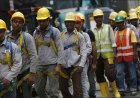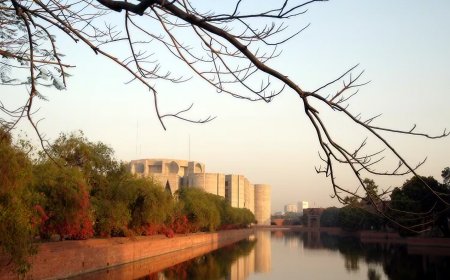
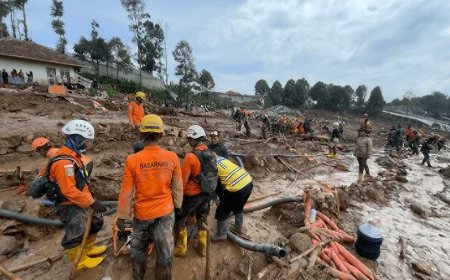
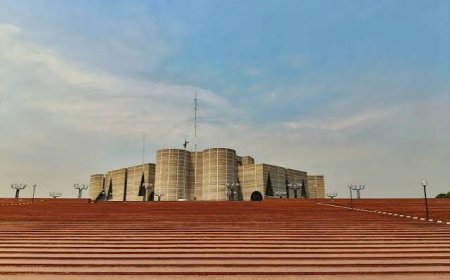



























































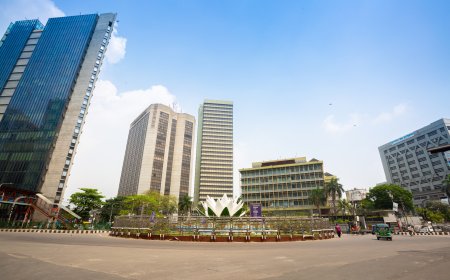
Dhaka’s earthquake threat lies in poor construction, not geology. We need to be concerned about and plan soberly for what would happen if a 6.0 quake hits instead of catastrophizing doomsday scenarios.
In a few words of thanks, the ICT judges suggest partiality towards the prosecution side

As the country gears up for what is going to be the most consequential national election in its independent history, a locally grown form of online harm, deliberately engineered to fuel targeted disinformation campaigns and rampant misinformation among a largely digitally illiterate population, is posing a serious threat to its efforts to transition from authoritarianism to democracy.

We do not need to be perfect voters, and we do not need to know every answer. In a transitional period, what matters is the willingness to participate and the courage to relearn what authoritarianism tried to take away: that our voices count and that democracy is a skill we can rebuild together.
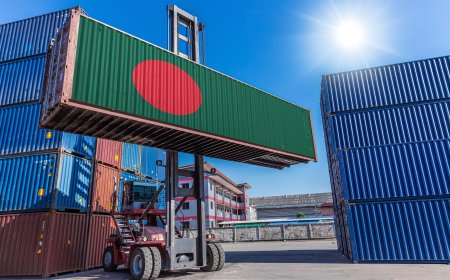
The reality in Chittagong is: three days at the outer anchorage, indefinite waiting inside the port for a berth, one week to discharge using small lighter vessels, discharge stops if the sea is rough -- all added up, instead of 2 days, in some cases it is taking 25 days.

The global shortage is real. The demand is guaranteed. The opportunity is enormous.

The November 21 earthquake was unprecedented in our recent memory. What does this mean for the future of the city, how prepared are we, and what needs to be done now?

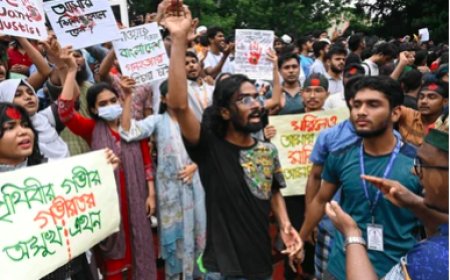
Across Nepal, Sri Lanka, Bangladesh, and far beyond, the message is clear: no one is above accountability. Corruption carries a heavy cost. Leaders who imagine a country belongs to a privileged circle will find themselves confronted by a generation unwilling to be silenced.

America rises not when it restricts, but when it welcomes. So will America again evolve as the land of many voices? Its future, and perhaps much of the world’s, depends on this answer. For America is not merely a country. It is a covenant.

If anyone is in a position to claim that they have not received a full measure of justice, it is the victims and their families, and not the fugitive from Bangladeshi law contemptuously evading justice from her safe house in New Delhi.
The King’s Party and the Queen’s party just perpetuate the cycle of dysfunction and corruption, while the people yearn for change. Into this vacuum step the Islamists. But the only change they can deliver will be to further divide us.

The India-Bangladesh Extradition Treaty allows either country to request extradition with an arrest warrant and a conviction. Procedurally, Bangladesh meets the threshold: Hasina has been convicted and sentenced. On paper, this gives Dhaka a strong case. But extradition is never just about procedure. It hinges on interpretation -- and political will.

Neither Tarique Rahman nor Sajeeb Wazed Joy can claim moral leadership without embracing financial transparency. They owe the public answers not because they are accused men, but because they are influential men. They owe the public honesty because they seek to shape the future of Bangladesh.
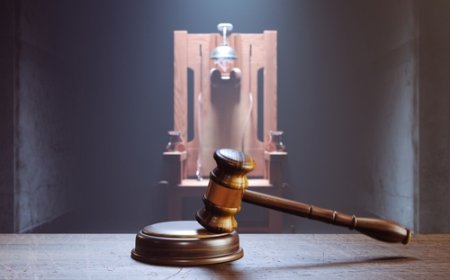
In the end, this is not merely about the fate of one leader. It is about whether Bangladesh chooses a future built on due process and political inclusion, or one defined by courtroom theatrics and punitive exclusion. Right now, the scales are tilted dangerously toward the latter.

The choices Bangladesh makes in the coming years will determine the future. Political experience, ideological moderation, and administrative grounding -- all characteristics associated with the centrist tradition -- will be essential components of a successful democratic transition.