



























































From five charges to two: The shifting charges in the Hasina trial

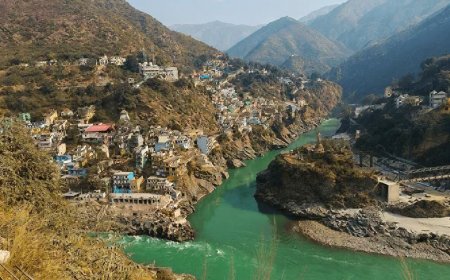
A functional India-Bangladesh relationship -- built on mutual respect and interests -- is an economic and geo-strategic imperative. Otherwise, India’s fears of “strategic encirclement” risks becoming a self-fulfilling prophecy.

November 20, 2025 was Tarique Rahman's 60th birthday. With elections around the corner, and the country on the cusp of transformative change, here is a well-wisher's wish-list of what he would like to see from the BNP and its leader after the February polls.

Stop doomscrolling and ignore the online doomsayers. We are on course for a peaceful democratic transition.

If the February 2026 election is to be festive, free and fair, we will need a campaign so that Bangladeshis believe that their votes will count and their voices will be heard.
The UN response to the Hasina verdict affirmed the moral and factual weight of the case, acknowledged the reality of mass state violence, and confined its criticism to a doctrinal anti-death-penalty stance it applies uniformly in every country.

So yes, what Tangia did was wrong, absolutely no doubt. But let's not pretend this outrage is about justice. Justice would mean holding everyone to the same standard. This is about control. And we really need to talk about who we're controlling, and why.

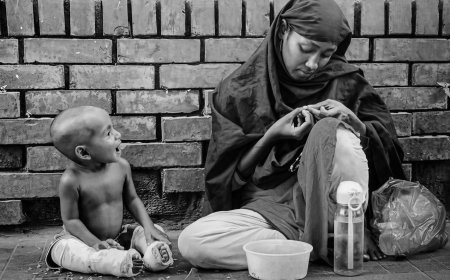
His politics was never abstract; it grew from lived experiences of precarity
Can Burkina Faso reshape Africa’s politics and provide the blueprint to chart a new future for the continent?
Amnesty concerns about cross-examination, defense preparation time, and structural weaknesses merit careful scrutiny. We must not dismiss them. However, they also need to be understood within context.
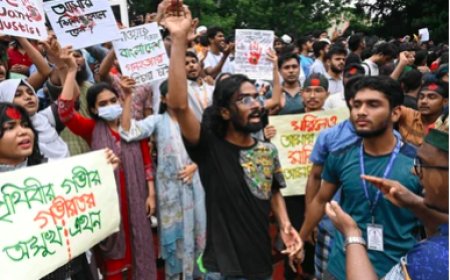
This verdict of the International Crimes Tribunal is not merely the conclusion of one case; it is the beginning of the journey toward a new Bangladesh -- a Bangladesh that will be founded on justice, human rights, and the rule of law.

The judgment of the Tribunal is therefore not only a sentence against one person; it is a declaration that no one, however powerful, stands above the law of the Republic. The arc of justice has finally bent toward Bangladesh.

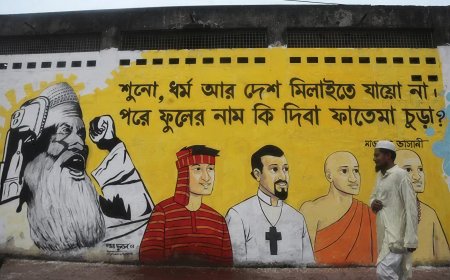
If our leaders want to know where this road leads, they do not need to look far. Pakistan chose the path of appeasing extremists. The consequences have been catastrophic.