


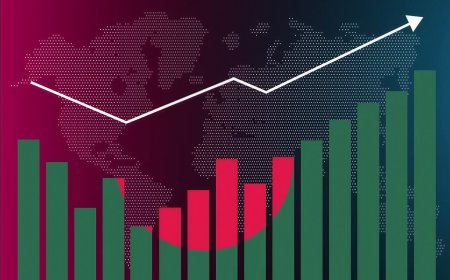























































At a time when investor confidence is closely tied to perceptions of policy stability and transparency, a structured and inclusive engagement framework sends a powerful signal. It tells both domestic and international investors that policymaking is consultative, predictable, and responsive.
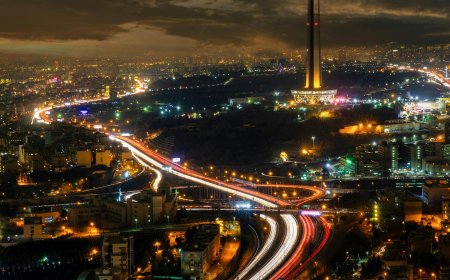
Iran is more than just a state; it is a civilization capable of developing a new system or model that others might follow, beyond the Westphalian framework. Without wise leadership, the ongoing conflict could not only lead the world into a prolonged economic downturn but also reshape global power balances.

Societies in exile may not yet find their way home. But exile, once recognized, need not end in disappearance. It can become watchfulness, and watchfulness, has often been the difference between mere survival and quiet renewal.
Money is not free. Interest-free loans do not eliminate cost; they merely obscure it. Whether financed through budgetary allocations or institutional balance sheets, the subsidy embedded in such loans must ultimately be borne by someone.
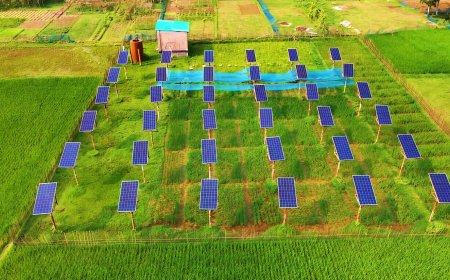
The integration of solar panels into agricultural land offers a practical pathway toward achieving energy independence, environmental sustainability, and resilient food systems in Bangladesh.
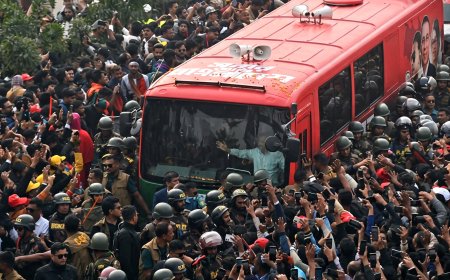
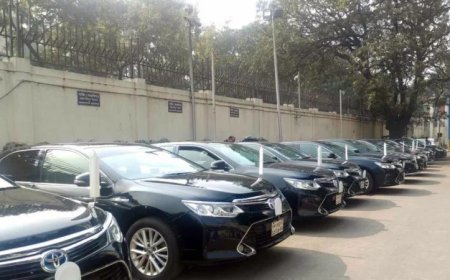
A government that reduces VIP protocol but continues to evict vendors without rehabilitation has merely exchanged one performance for another.
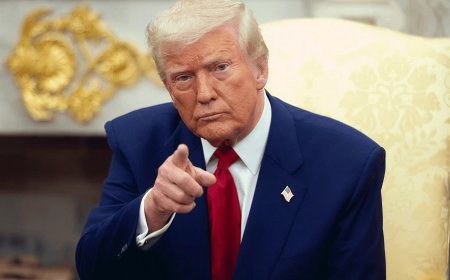
Against this background Trump is a disaster for America and its Iran war has pushed it to a point where presumably every ordinary man across the world has started mocking the American power by mistaking Trump to be the personification of the United States.
The ordinances concerning the Human Rights Commission, the Anti-Corruption Commission, and the prevention of enforced disappearances, are all directly aimed at protecting citizens’ rights, and maintaining the separation of powers. Rendering them ineffective is deeply disappointing from the perspective of citizens.

International law appears to bind only the weak nations but not the powerful, mighty ones. Afghanistan, Gaza, Guantanamo Bay, and targeted actions against foreign leaders all show how rules can be bypassed without consequence.
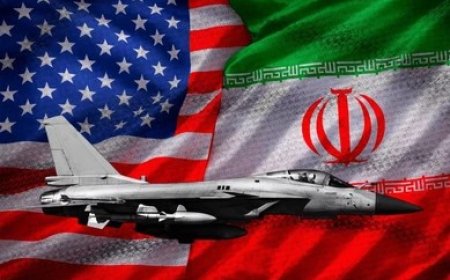
Iranian leadership has demonstrated remarkable resilience, shaped by the mosaic defence, the bolster policy of Iran after the death of Kashem Soleimani.
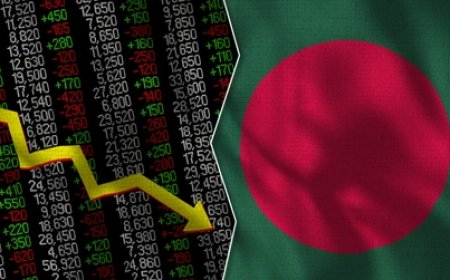
Policy predictability must become a cornerstone of economic management. Investors must be assured that agreements will be honoured and that regulatory frameworks will not shift unpredictably. At the same time, bureaucratic processes must be simplified and digitized to reduce delays and discretion.
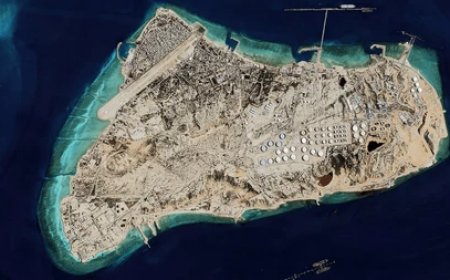
Modern warfare increasingly targets economic infrastructure rather than traditional military formations. Oil terminals, pipelines, power plants and ports have become instruments of pressure in conflicts across the world. The objective is not merely to defeat an enemy army but to weaken an adversary’s economic foundations.

Strengthening healthcare services means investing in frontline workers, improving facility readiness, ensuring reliable supplies of essential medicines, and better integrating services across the continuum of care.
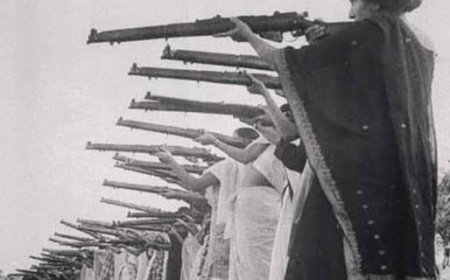
Women were not mere supporters; they were shapers of conditions, bearers of risk, and, in many cases, decisive actors. The war cannot be imagined without them, but its written history has often proceeded as though it could.
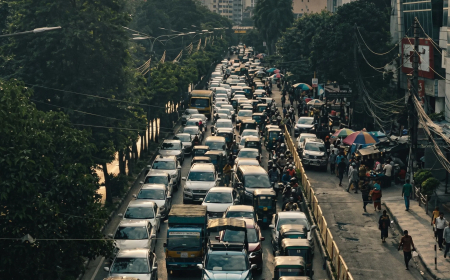
Bangladesh is not short of clever people or workable ideas. What we are short of is institutional willingness to treat a crisis as something other than an inconvenience to be weathered.
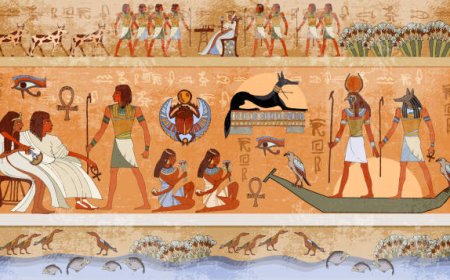
The endurance to hardship, spirit and skills to fight when forced, maturity to restrain, legacy of history to forge their own system of governance rather than blindly copy from the West, are the forte of these old but rich civilizations. They enrich their people not only with their own histories but also with the warring histories of the West, so that they can choose the good from the bad.