




















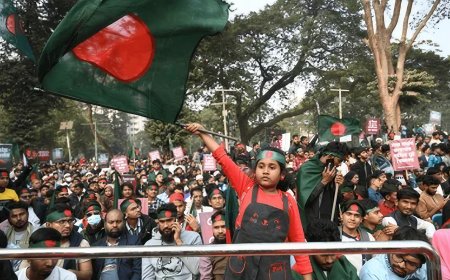
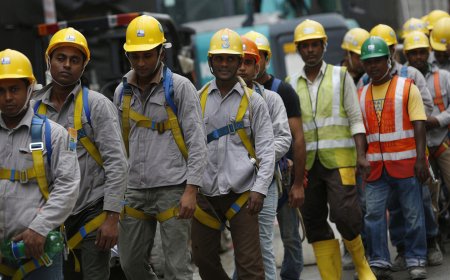





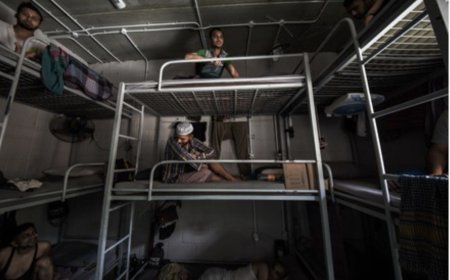

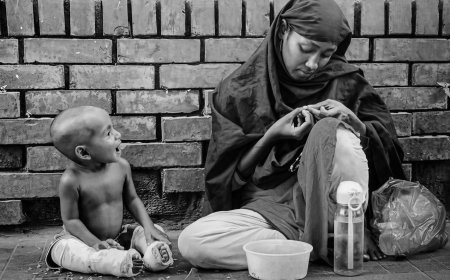






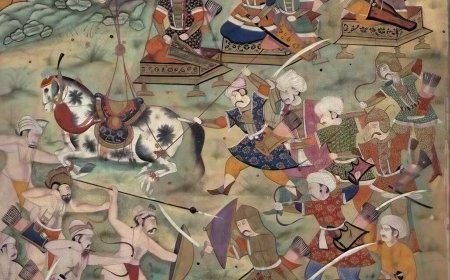




























Bangladesh has all the ingredients for success -- a dynamic private sector, a young and hardworking population, and a strategic geographic position connecting major markets. Its achievements over the past decades demonstrate what is possible when determination and policy alignment come together.

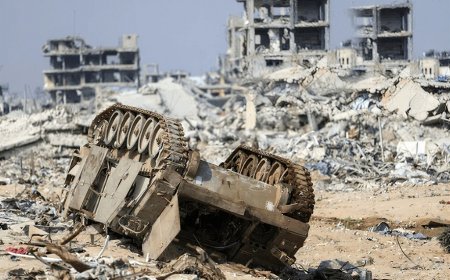
The US lost any foundation of protecting Iranian civilians from their government the day an American missile struck an elementary school, killing 175 individuals, most of whom were children.

It is now part of the international customary law that no states are allowed to use the international watercourses even in their own territories, in such a way that would cause significant harm to other basin states or to their environment.
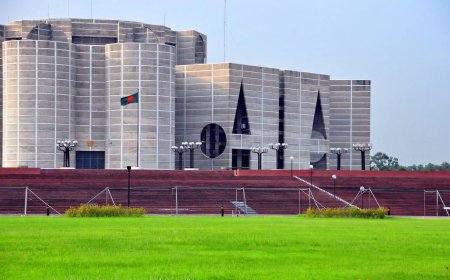
The hopes and dreams of the people in society like ours die in the Westminster system of parliamentary governance, which prefers to suppress the opposition under legal cover; the space for morality wanes completely.
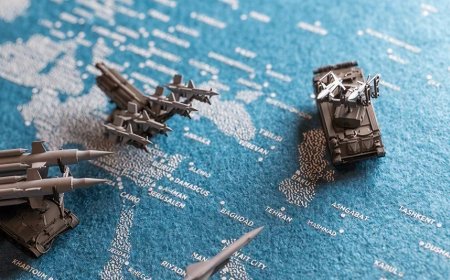
The strategic balance of the world has changed because from this point onwards. Future crises will be shaped by deterrence from multiple directions. The lesson from Iran’s victory is nothing short of a paradigm shift
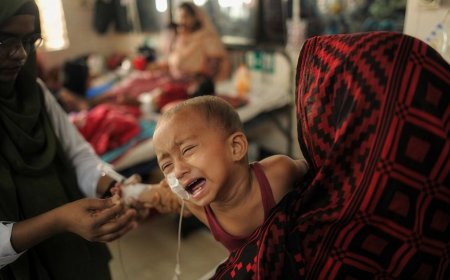
Parents must trust that vaccines are available, safe, and reliably delivered and that the health system stands with them. This trust cannot be built through campaigns alone. It requires sustained community engagement, local leadership, and transparent communication.

Universities need to fund counselling services as a genuine commitment, not a box-ticking exercise. Policymakers need to allocate budget to mental health as a first-order public health priority. The private sector needs to stop treating employee wellness as a branding exercise and start treating it as a structural responsibility.

Bangladesh’s government faces a delicate balancing act. Every move in the international arena will be closely scrutinized for signs that the government is “tilting” towards one geopolitical axis or another.

He can keep the portfolio as a badge of party confidence. Or he can turn it into something rarer in our politics: A record. And if he wants that record to mean anything, he should begin by demanding answers from Facebook and YouTube.
As a supporter of substantive reform within the political structure of this country, this dim scenario really makes me sad. And it also clarifies one thing: our failure has come from one major shortcoming -- we didn’t reach out to people.
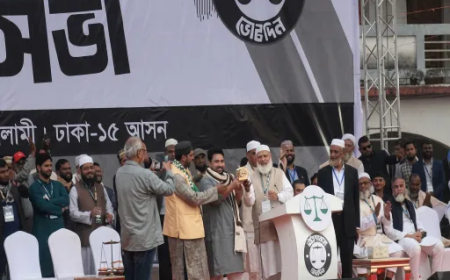
What Jamaat's 68 seats do is give the party institutional leverage to shape the answers to questions that matter far more than whether Bangladesh wakes up tomorrow under a theocracy.

A trillion-dollar economy requires a financial system that can recognize risk, tolerate risk, and allocate capital with intelligence.

It is a clear admission that the war failed to deliver its stated objectives. No regime change, no oil conquest, no uncontested control of the Strait of Hormuz, no elimination of Iranian nuclear capabilities without serious concessions.

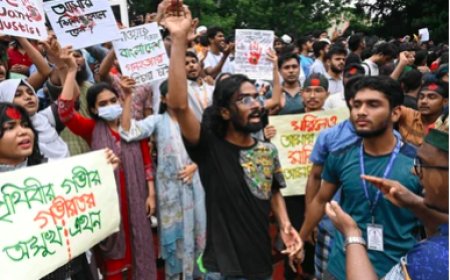
It is striking that nearly two years after a youth led uprising that was triggered by protests about jobs, the economy is largely absent from public discourse. This may be the ultimate July betrayal of them all.

With only a few weeks of stock, Bangladesh ranks among the region’s most vulnerable.
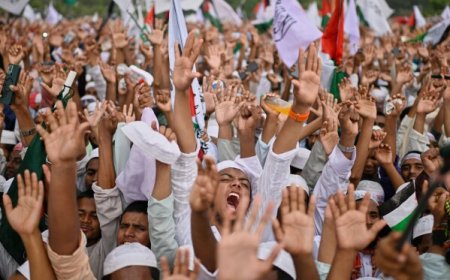
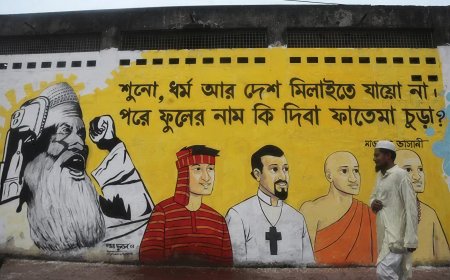
It is very true that the religious right in Bangladesh have found a new voice that had been brutally suppressed by Sheikh Hasina all these years, and that the group has now taken the opportunity to abuse this new-found freedom.