
































































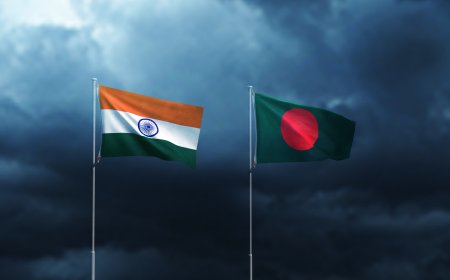
As Hasina professes a desire to return to Dhaka, then both governments should commit to taking steps to allow her to do so. Not as a returning prodigal daughter, but as a fugitive accused and convicted of crimes against humanity.

The Michigan primary was not merely a victory for one candidate. It demonstrated that authenticity could withstand unprecedented financial pressure. It showed that principled leadership still resonates with voters.
Its economy survives on IMF support with reserves near depletion. Its own defence minister accuses India of funding the insurgency, an allegation India denies.
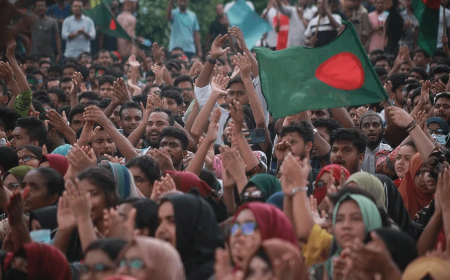
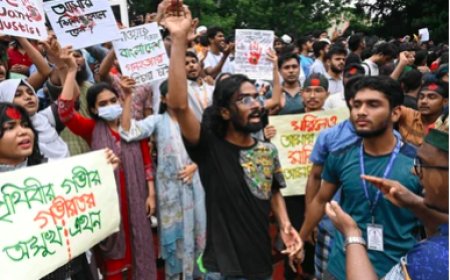
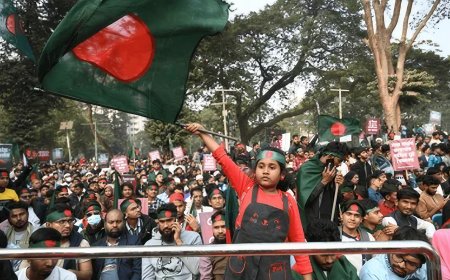
The demand that drove millions into the streets was never abstract. It was the return of democracy and fair elections to Bangladesh, the right of its people to choose their own government, and through that, make the decisions that would govern their destiny.

Dismiss early grievances, personalize criticism, stigmatize opponents, mistake force for authority, answer old questions, control information instead of rebuilding trust and confuse institutional power with public legitimacy. These are not uniquely Bangladeshi mistakes. They are universal governmental temptations.
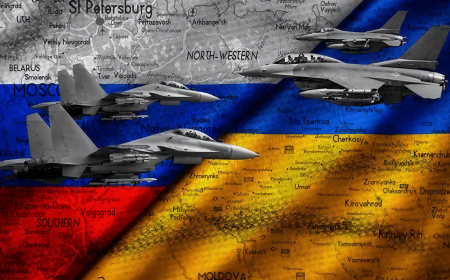
None of this is really new, only newly visible. The Caspian has functioned as a sealed smuggling corridor between Moscow and Tehran since the summer of 2022.
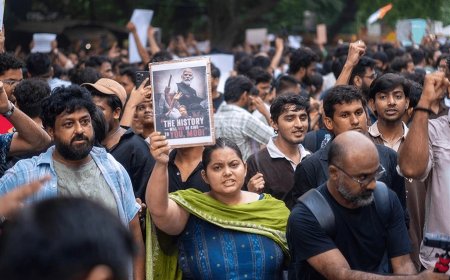
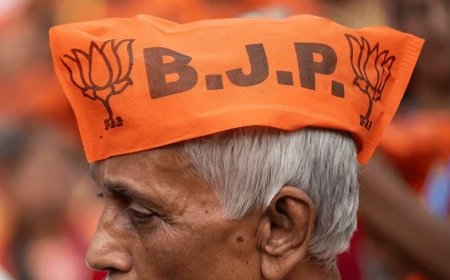
The BJP might be on the backfoot now but the protesting students are aware of how long their struggle to reform education might take.
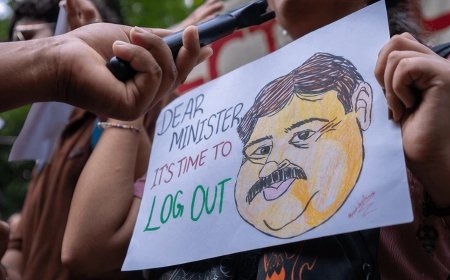
When chronically online youth took to the streets, they stripped the state’s harshest response of the fear it was meant to inspire.

For many youngsters, political awareness began with doubts, arguments with parents and learning to think for themselves with the help of social media.
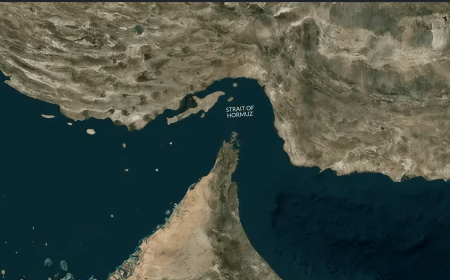
The latest ceasefire between the United States and Iran has failed to restore confidence in the Strait of Hormuz, exposing the world's continued dependence on a chokepoint that remains vulnerable to disruption.
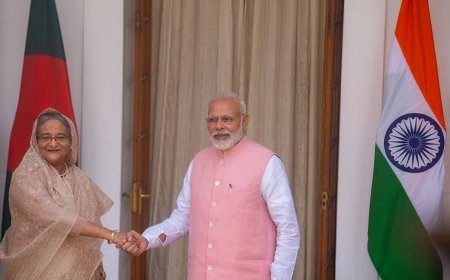
Some analysts argue that Hasina may continue to serve as a strategic political asset in India’s Bangladesh policy, reflecting a Kautilyan approach that could be summarised as: “You have China; we have Hasina.”

Keir Starmer’s resignation in the UK, the sixth in a row over the last ten years, suggests a genuine crisis not only in the UK but across European politics.
Law exists to separate truth from allegation, evidence from assumption, and justice from vengeance. The moment these lines become blurred, it weakens public confidence in the legal process.

The latest regional security shocks have exposed a deeper reality. Hormuz is not simply an oil chokepoint; it is the foundation upon which the modern economies of the Gulf were built.
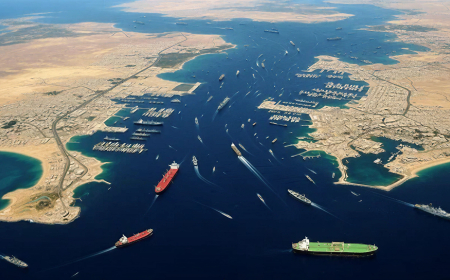
A war fought in part to eliminate Iranian leverage ended with Iran holding more of it, over Hormuz, over Lebanon, and over the sanctions regime, than it had before the first missile was fired. Whether that trade was worth it depends on whether the next 60 days produce a durable peace or simply a longer, costlier version of the same unresolved fight.
Everyone knows that to understand the legal nitty gritty is not everybody’s cup of tea. But everybody at least is entitled to one's common sense.