































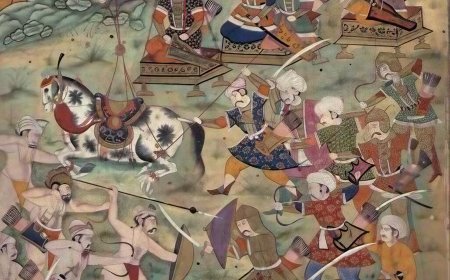




























As with the constitution, good principles can only help if properly applied in practice. In the long run, the verdict of history on the interim government will depend on the ability of its successors

In a riverine land such as ours, mainstream might be a more evocative term -- BNP represents the confluence of various cultural, historical, social milieus that continue to flow through us. As Mrs Zia has memorably put it, BNP situates itself to the left of the right, and to the right of the left.
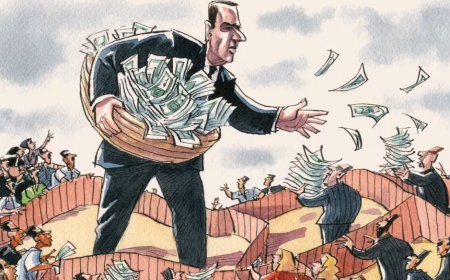
As the nation approaches another election marked by controversy and uncertainty, the composition of its candidate list serves as both a warning and a mirror. It reveals not only who seeks power, but why they seek it.
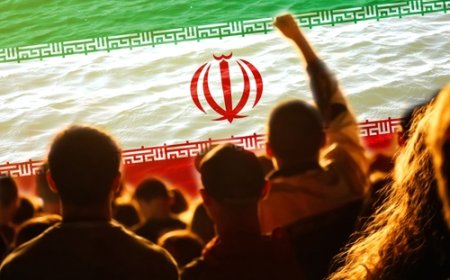
Echoes of the 1979 Islamic Revolution are loud and clear, except this time the ayatollahs are on the receiving end. To save this nation from calamity, it’s time for Khamenei to leave.

The deepest fault line is not between secular and religious, or even between rival nationalisms. It is between a society that aspires and a system that no longer feels responsive. Whoever speaks to this issue will have the heart of the Bangladeshi voter.
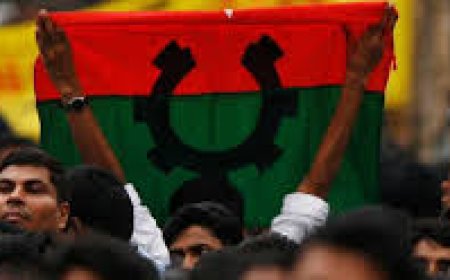
The Jagannath University election, therefore, is not merely a matter of victory or defeat. It raises a deeper question -- what lessons will political parties draw from the changing realities of student politics? That, more than the numbers themselves, is the most critical issue going forward.

As we enter the final phase before elections Jamaat-e-Islami may be poised to win far more votes than previously predicted. There is still time for BNP to regain the momentum if it appreciates the situation and pivots accordingly. But there is little evidence that it does so.

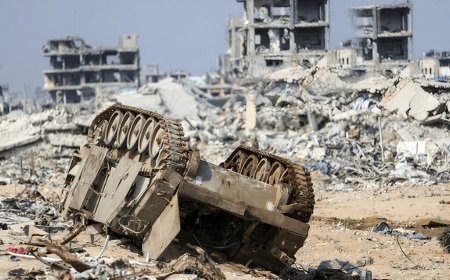
The right to live in peace is not a gift from empires. It is a demand, shouted into the barrels of their guns. It is a world, built stone by stone, in the ruins they leave behind.
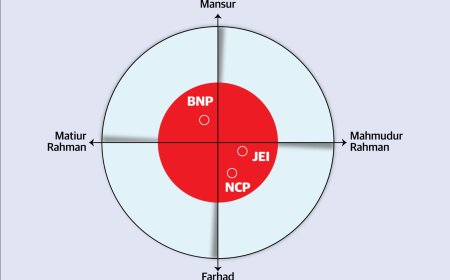
The axes of Bangladeshi politics have shifted dramatically. Where do the political parties line up in the new dynamic?
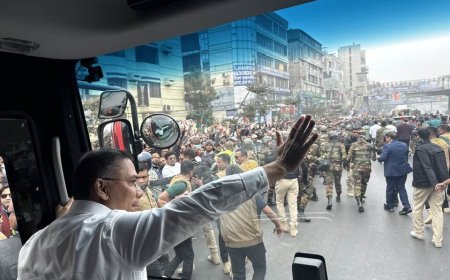
Tarique Rahman’s return is undeniably historic. But history alone does not guarantee success. The comparison with 1972 is not about personalities -- it is about the structural burden placed on returning leaders in moments of national uncertainty.
We must view with suspicion any party that risks becoming fascist through excessive internal control or by bypassing state institutions and encouraging mob rule -- especially parties that obstruct elections and make the path to sustainable democracy thorny.

The signal is clear: Change your brand of money-driven politics. Abandon hypocrisy. Or people will abandon you.

In Ukraine, time is measured in survival. In Moscow, it is measured in leverage. In the West, it is increasingly measured in patience. And therein lies the most dangerous imbalance of all.

That Bangladesh did not turn into a hardcore right-wing country is because of Tarique. The country continues to progress as a centrist, tolerant nation. For this, we should forever remain indebted to him.