



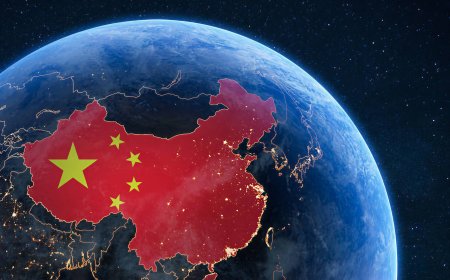
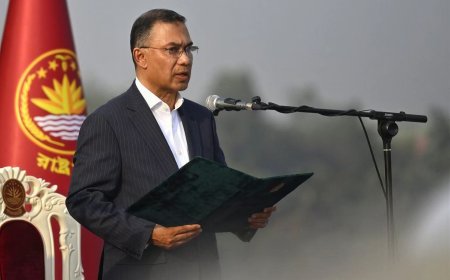
































































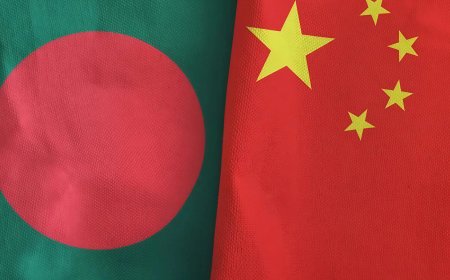
Tarique Rahman’s expected Malaysia-China sequence is a necessary correction to an India-centric past. Malaysia gives the visit diplomatic balance and China gives it strategic weight. But the correction will only succeed if it produces a wider foreign-policy basket without chipping away at Bangladesh’s sovereign decision-making space.
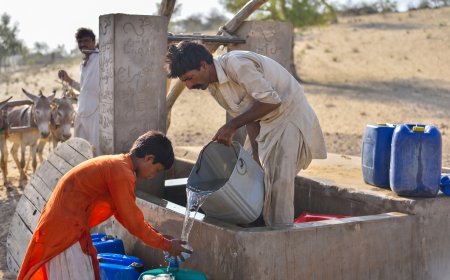
In the brutal, transactional mechanics of international survival, Pakistan does not need to plead for a seat at the diplomatic table; the raw architecture of global crises ensures that the table cannot be built without it.
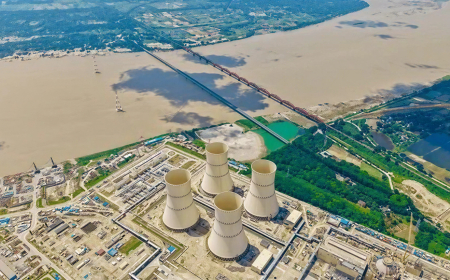
The recent trade agreement with the US could stop Bangladesh from building any more nuclear power plants.
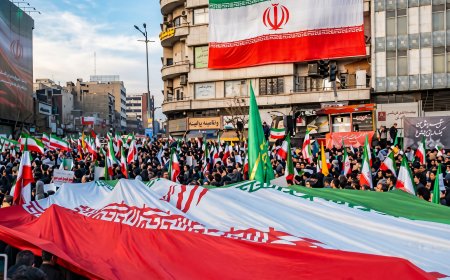
A nation fighting for its survival generates a depth of will that a nation fighting for its credibility simply cannot match.
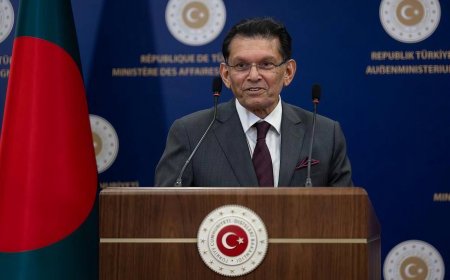
The compact’s energy architecture amplifies rather than mitigates geopolitical shock exposure. A rational energy-security doctrine would diversify suppliers, transit routes, and contract structures; this agreement funnels us toward a single, unbuilt source over which we possess zero strategic control.
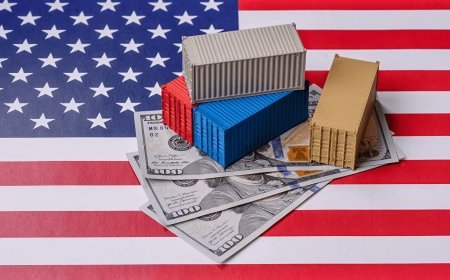
US remains Bangladesh’s single-most important export market, major source of FDI and a key development partner. US is also a market with substantive export potentials as far as Bangladesh was concerned. Remaining engaged with the US should be the way to go forward.
A prolonged conflict in the Middle East would likely trigger a slump in consumer demand in Western markets, leaving the RMG sector vulnerable to the dual blow of dwindling orders and the logistical nightmare of disrupted maritime routes.
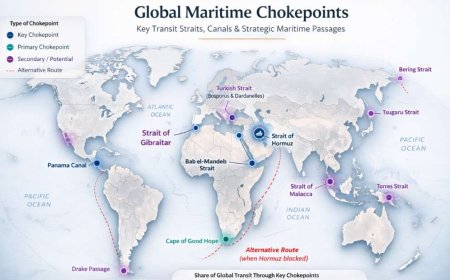
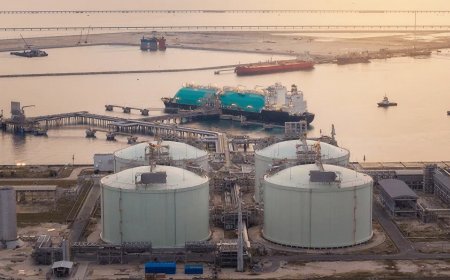
For Bangladesh, the closure of the Strait of Hormuz would not represent a diplomatic crisis with Tehran. It would represent a market crisis. The country’s exposure lies in its increasing dependence on globally traded LNG without deep diversification, strategic reserves, or substantial domestic alternatives.

Emerging markets ETFs’ rally has been somewhat of a surprise: They own shares of companies in less-developed nations. For decades, these stocks took a backseat with investors who would rather pay up for shares of giant companies in developed nations like the U.S. But now, many factors are working in emerging markets’ favor.
The right to live in peace is not a gift from empires. It is a demand, shouted into the barrels of their guns. It is a world, built stone by stone, in the ruins they leave behind.