





























































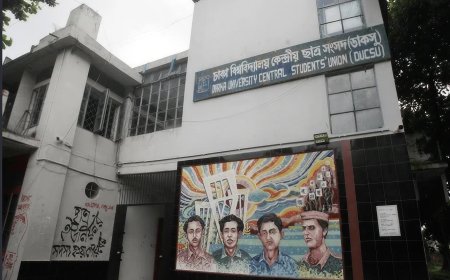
The controversy over DUCSU’s refurbished museum is not really about whether Jinnah belongs on the wall. It is about something more consequential: Who gets to decide which parts of Bangladesh’s political past remain visible.
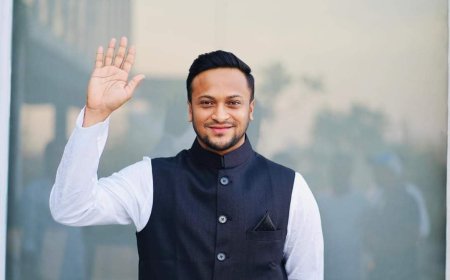
The question is whether Bangladesh has the courage to apply the same scrutiny to every class of collaborators past and present, left and right, secular and religious and to build a republic where proximity to power is no longer the country's most valuable currency.

New media and direct communication have created openings for ambitious challengers who can bypass old gatekeepers and speak straight to voters. The victories of Shah and Magyar may therefore represent more than isolated upsets. They may be early signs of a broader political era in which aspiring outsiders can more successfully challenge the entrenched elite establishments.
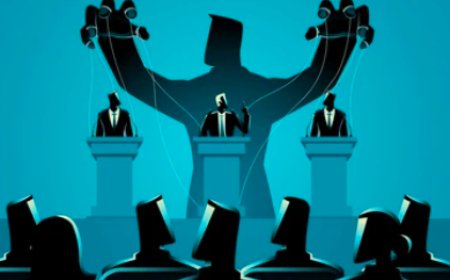
When power is built in ways that are not openly contested, when structures are created without clear political labelling yet function as extensions of a particular ideology, the line between organizational growth and concealed control begins to blur.
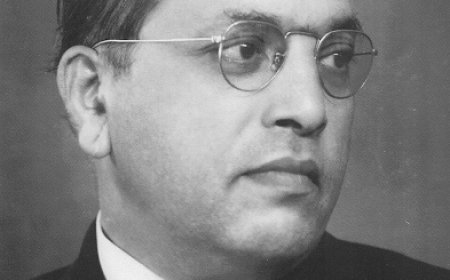
Ambedkar is not simply a historical figure. He is a living political question. The Republic of India today is built on his constitutional architecture -- and is increasingly governed in ways that undermine it.
As a supporter of substantive reform within the political structure of this country, this dim scenario really makes me sad. And it also clarifies one thing: our failure has come from one major shortcoming -- we didn’t reach out to people.

Societies in exile may not yet find their way home. But exile, once recognized, need not end in disappearance. It can become watchfulness, and watchfulness, has often been the difference between mere survival and quiet renewal.
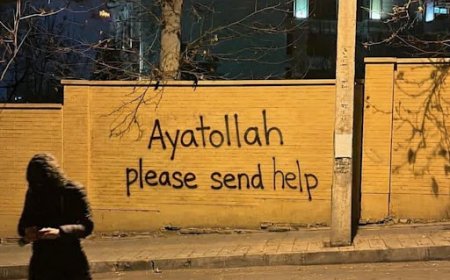
We have a choice: To be passive consumers of the spectacle, or active collaborators in writing a different ending -- one based not on fear and division, but on the unbreakable, transnational solidarity of those who believe, against all odds.

The path forward begins by refusing to accept the silent exclusion as normal. It requires naming the disagreement for what it is: an attack on the pluralistic foundation of the state.

The sooner our politics and our voters align with this demand for structural change, the sooner Bangladesh's power structure reforms will begin their sustainable journey. Mamdani's victory kindles our hope that in the near future people-oriented politics will also shine in our land.
Political life becomes a stage where guilt is assigned by association, not by evidence.