









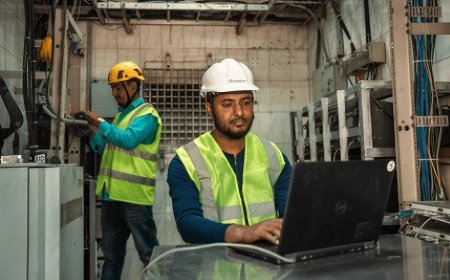















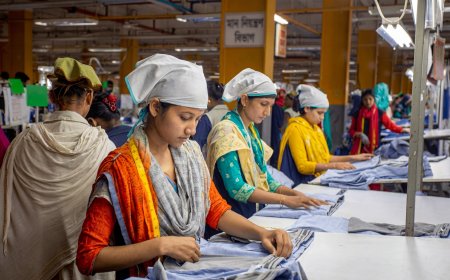







































Bangladesh is training more young people, but the economy is not creating enough jobs to absorb them. The result is a growing gap between skills development and meaningful employment.

The constraint has never been a lack of opportunity. It has been risk, real and perceived. That is where development institutions can play a catalyzing role: Financing infrastructure, supporting regulatory reform and reducing risk.

The central question is no longer whether knowledge matters. It is who governs its movement, who benefits from its creation, and whether emerging economies will remain sites of extraction in a global knowledge marketplace or become sovereign producers within it.

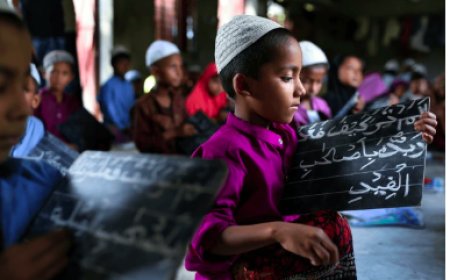
Bangladesh’s higher education story is often told as one of expansion and access. It is time to tell the other half of the story, the one about relevance, rigor and responsibility. Degrees alone do not build nations. Skills do.

This demographic dividend becomes a curse when policy fails to match demography. The interim government’s focus on political stabilization overshadows economic planning, leaving youth unemployed and restless.