




























































I remember waking up before dawn to help my mother bathe. I remember feeding her before leaving for my exams. I remember studying beside hospital beds while chemotherapy slowly hollowed out the strongest person I knew. Even then, she continued worrying more about my future than her own survival.
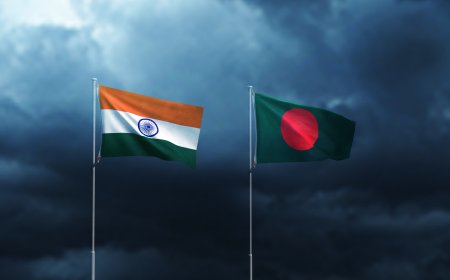
The tragedy for both Bangladesh and India is that the more anti-Bangladesh sentiment gets entrenched in India, the more its mirror image will get entrenched in Bangladesh, and the implications for both countries range from the unfortunate to the unthinkable.

What truly set him apart, however, was not only his professional accomplishment but also his humanity. He possessed a rare ability to listen with patience, engage with sincerity, and offer insights that were both intellectually sound and practically grounded.

To those who knew him, Dr. Cookson was more than an expert -- he was a trusted voice, a mentor, and a steadfast ally. His passing is a profound loss, not only to those who had the privilege of knowing him personally, but also to Bangladesh, a country he served with dedication and genuine affection.
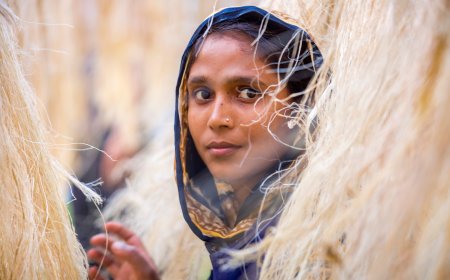
We have long ago given up hoping that our government would do anything for us, and would be content if it simply reined in its worst excesses. As the old Bengali adage has it: We don’t want charity. Just please call off your dog.

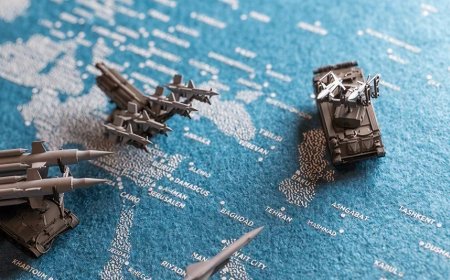
The Strait of Hormuz is in crisis, disrupting the global economy. Asia, in particular, faces a coming storm with a prolonged closure -- the Strait carries the lifeblood of Asia's economy.

Failure to act appropriately will have catastrophic consequences, sooner rather than later. The AL had 15 years before their malgovernance caught up with them. The current government won't have 15 months.

It is truly rare for an institution to have played such a prominent role in the founding of a nation during the 1971 Liberation War. Cadet colleges were not exclusively military training schools. These were established with developing both civilian and military leadership in mind.
Respecting the rights, dignity, and freedom of women, and ensuring full equality for women in health, education, employment, and opportunity must be established as the common ground on which all political actors in Bangladesh agree.
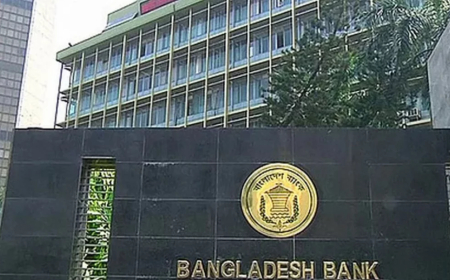
There is no better way for the ruling party to signal that it understands this new reality and that recognizes that it is truly a new day in Bangladesh, and that they too have changed their spots accordingly, than for them to quietly walk back the appointment.

We want to live in a country where the jails are not filled with innocent men and women. This is a basic measure of the probity of any government. This is the rule of law. If there is one thing that the government can deliver for the Bangladeshi people it is this.

Only a genuine friend would share his thoughts and his words of wisdom in the larger interest of Bangladesh and its people with such clarity. William B Milam was one such friend.
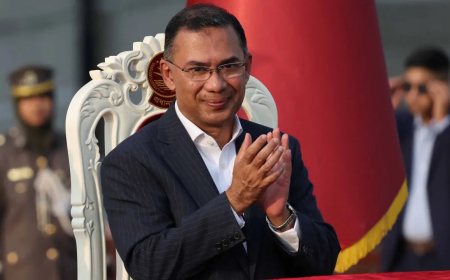
Your service to the nation can only continue if your well-being is safeguarded. Ultimately, the responsibility also rests with the state’s security apparatus, particularly those entrusted with your protection. When credible threats are perceived, it becomes their duty to act decisively.

All of us who care about Bangladesh have lost a great friend and mentor and a strong voice for the country and its people. The best way we can honour his life and legacy is to continue his life’s work.

Ambassador Milam's connection to Bangladesh was not a chapter of his career -- it was a lifelong commitment. His voice was one of moral clarity in times when many chose silence. Bangladesh has lost a true friend. The cause of democracy has lost a fearless champion. His legacy will endure in the freedom he helped defend.