



































































Is coercive moral policing becoming normalized in Bangladesh’s public sphere?
When the minister responsible for internal security dismisses a terrorism warning before reading the report, the greater concern is no longer only the warning itself, it is the state’s capacity to respond to one.

The woman does not remain because she is foolish. She may be trapped inside a psychologically destabilizing pattern in which exceptional moments of tenderness are interpreted as evidence that the relationship can still be saved.
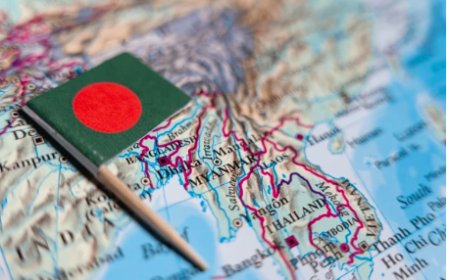
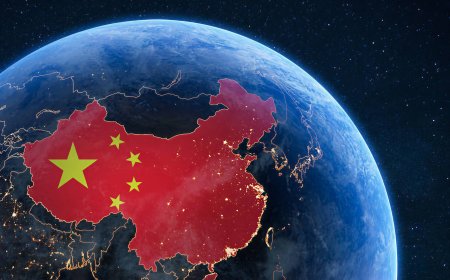
If autonomy matters only in relation to one great power while compliance with another is rebranded as "technical cooperation," then Bangladesh has not escaped dependency. It has merely changed its address.
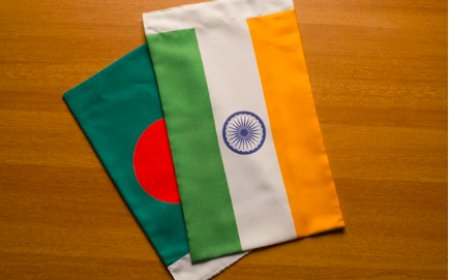
If the chair simply remains empty, the summit proceeds, other states advance their interests, India absorbs the symbolism without changing its behaviour, and Bangladesh returns home with little more than domestic applause, then it was not leverage. It was an opportunity lost.

India says Kashmir is an integral part of its territory. Pakistan says it is an unfinished international dispute. Global powers treat it as a question of regional security. But Kashmiris themselves still do not possess an equal role in determining their political future.
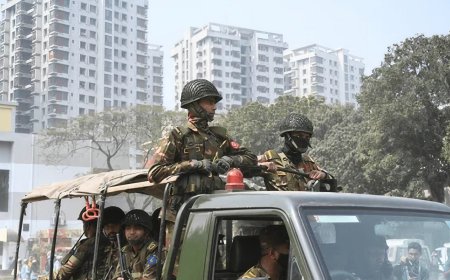
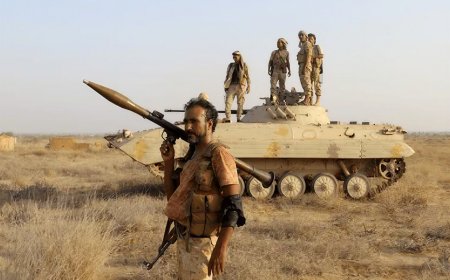
When an institution that possesses the legitimate instruments of force also begins accumulating authority over the definition of morality, citizenship and national identity, the balance can become fragile.
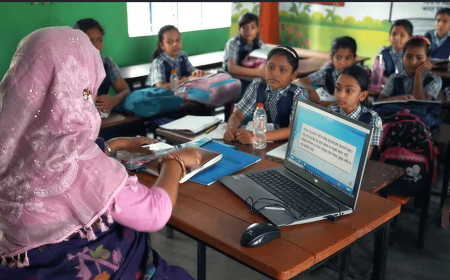
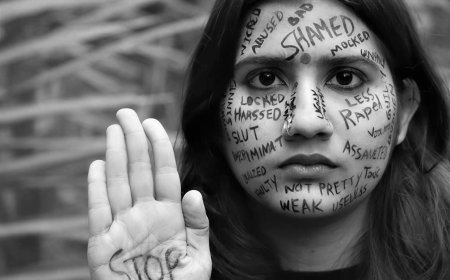
A female teacher's social media reel sparked national outrage -- but the controversy reveals far more about gendered surveillance, respectability politics and patriarchal control than it does about education.

Behind every woman labelled "too harsh" may be years of swallowed humiliation. Years of carefully choosing politeness over dignity. Years of emotional labour performed for everyone except herself.

The more important question is whether technology and outcomes should be treated as equivalent. Installing thousands of surveillance cameras is not the same as creating a safe society.
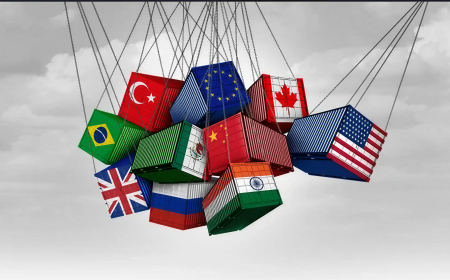
Engagement with China is presented as proof of resistance against Western dominance. Good relations with India become synonymous with regional stability. Foreign policy becomes a performance of political identity rather than a framework for advancing long-term national interests.

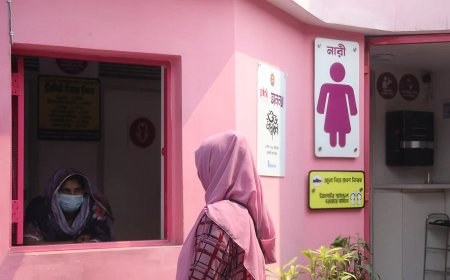
Women are neither vessels of national honour nor laboratories of cultural experimentation. They are citizens. And the value of a citizen lies not in her clothing, but in her ideas, her voice, her political convictions, and her contributions.
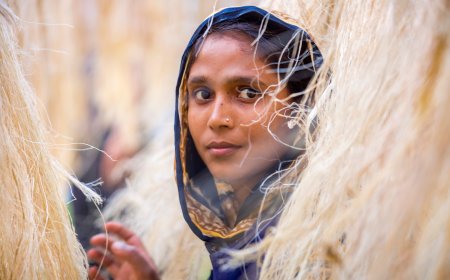
When the language of subalternity becomes a resource through which those closest to power construct their own political identities, we are compelled to ask: Are we truly listening to the voices of the marginalized, or are we witnessing the moral prestige of marginality being transformed into yet another form of political capital?
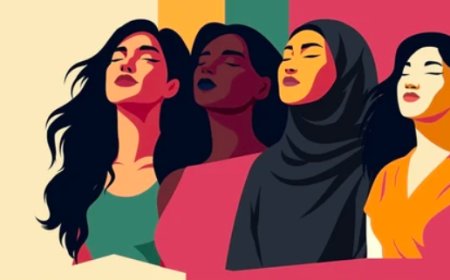
A political culture that cannot imagine women as independent political actors inevitably returns to patriarchy's oldest explanation: If a woman has succeeded, she must have traded her body for power. That explanation tells us very little about women. But it tells us almost everything about the society that produces it.

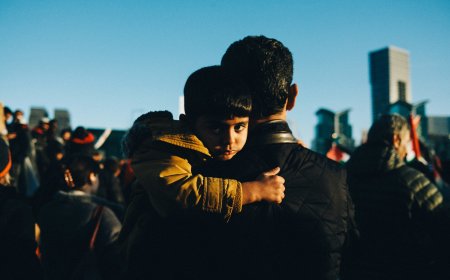
Whether a PhD student in Florida or a domestic worker returning from Saudi Arabia, the principle is the same: The state must recognize, protect, and advocate for all citizens equally. We do not merely demand justice; we demand presence, accountability, and moral integrity.
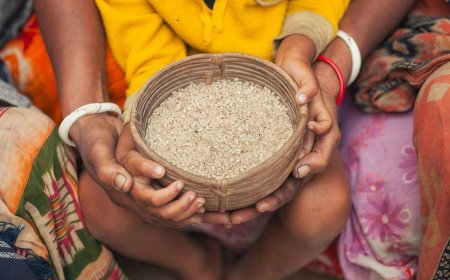
Hunger rarely appears alone; it is accompanied by indebtedness, illness, labour precarity, and social exclusion.