






















































November 1975 was one of those months when, to paraphrase Lenin, decades happen. Fifty years on from that month of coup and counter-coup, we can hope that the guns have been forever silenced in Bangladesh, and that we will never again see rule from the cantonment.
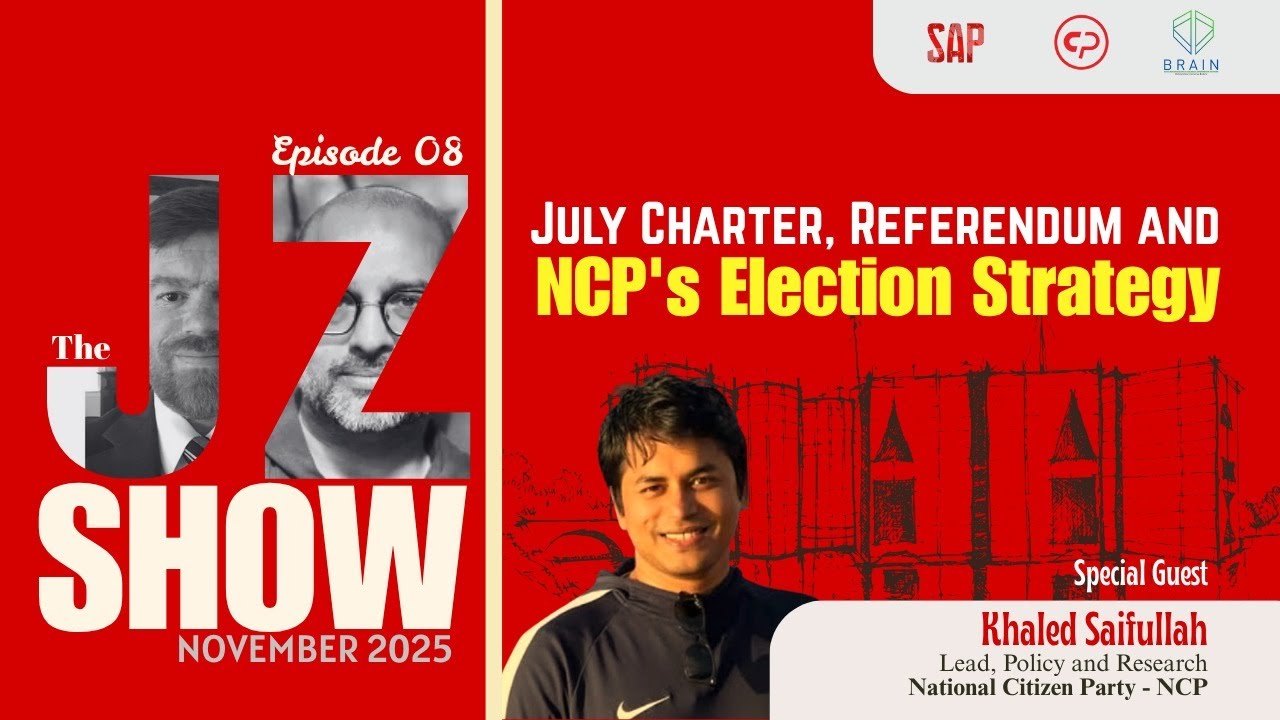
A deep dive into the July Charter, referendum debates, and NCP’s roadmap for the coming national election.

We stand today at a critical juncture. The authoritarian state has collapsed, but the authoritarian mind endures. The struggle for democracy, therefore, is no longer against a regime -- it is against ourselves.
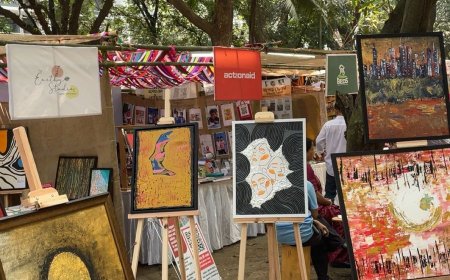
If you attend these festivals, you owe it to yourself and to Dhaka to also step outside the gates. Don't be someone who celebrates local and artisanal only when it's packaged with a price tag and a velvet rope. Don't be someone who feels cultured because you paid for the privilege.

Bangladesh’s politics stands today at a critical crossroads. If a new political force grounded in liberal values does not emerge, the state will inevitably drift further into extremism, fanaticism, and division.
Until democracy regains its moral soul -- until citizens can question without fear and leaders can lose power without vengeance -- it will remain a performance, not a principle. And if this performance continues, one morning we will awaken to discover that democracy has quietly turned into its opposite.

As we chart our future as an innovating nation, we must ask ourselves: Will we continue to be a nation that tolerates and even encourages heresy, heterodoxy and esoterism, or will we ignore the lessons of history and become a closed society, one that is hostile to new ideas?
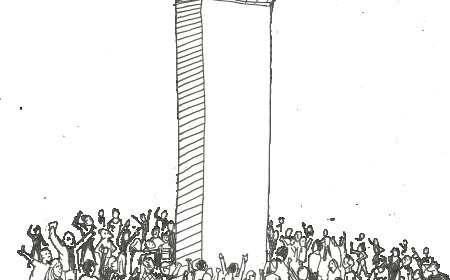
Call the vote. Step down from the balcony. And let an elected government answer, at last, to the only sovereign that matters. The antidote to our present malaise is not another announcement. It is an election.
It is all very well to chart out a pathway to reform, but it is in the implementation that the wheels hit the road, and it is here that the process lacks clarity and cohesion.

While no model for increasing women's political representation is perfect, the crux of the matter is that the political desire for a workable solution is what is absent. This is what must change if women are to experience the fruits of Bangladesh 2.0.
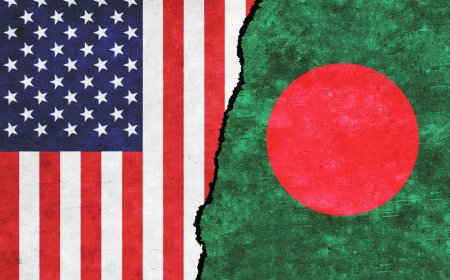
All things considered, it's remarkable that Bangladesh -- by no means a US ally or top partner -- is where it is right now: In a relatively stable place with one of the most unconventional and unpredictable US administrations in recent memory.
Tonight, Mamdani’s victory isn’t just his. It belongs to every person ever told you’re too different, too foreign, too inconvenient to lead. It belongs to those who were silenced, sidelined, written out of the script by those who claim to define “electability.”

From Bollywood’s Animal to Dhaka’s Toofan, Southasia’s film industries are recycling a dangerous archetype, the violent, hypermasculine hero. Despite changing times, new platforms, and more diverse audiences, this “angry young man” refuses to fade from the screen. Why does he still sell, and what does that say about us?
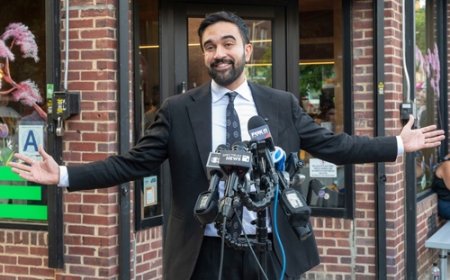
If he wins today — as looks likely — this will usher in a tectonic shift not just in US politics but also in Muslim and south Asian representation

The conventional view of politics is an old-fashioned journey