























































Ten years have now passed since his execution. Another ten will pass. Then another. Generations will arrive knowing his name only through history books, political arguments, or fading photographs. Time inevitably erodes public memory.
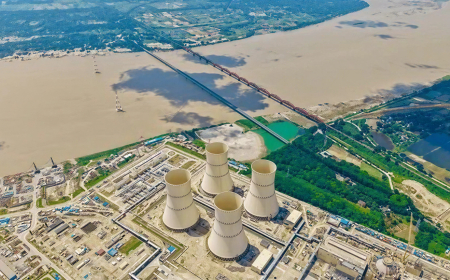
The recent trade agreement with the US could stop Bangladesh from building any more nuclear power plants.

In this new Counterpoint Podcast, Jyoti Rahman and Ehteshamul Haque discuss and dissect popular culture from home and abroad, contemporary and from times of yore. The first episode explores the capers of the great Bengali sleuth Feluda (and his posse) in the desserts of Rajasthan in the book and movie Shonar Kella. The episode also covers broader works of Satyajit Ray.
Visibility is not cosmetic. It is accountability. A case should not disappear into bureaucratic darkness simply because the public has moved on.
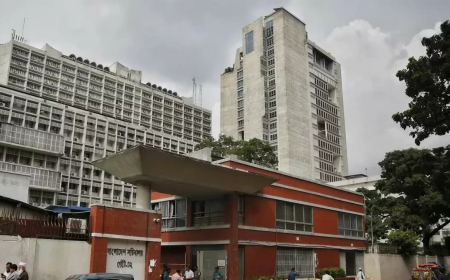
Democracy should not borrow the language of rulers to describe public servants.

Ira and Ireen and Ramisa were not symbols. They were children. Now they are gone. The least we owe them -- the very least -- is to refuse to let their deaths become background noise.
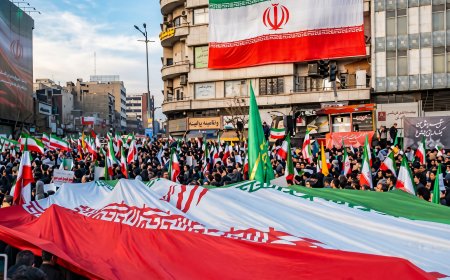
A nation fighting for its survival generates a depth of will that a nation fighting for its credibility simply cannot match.
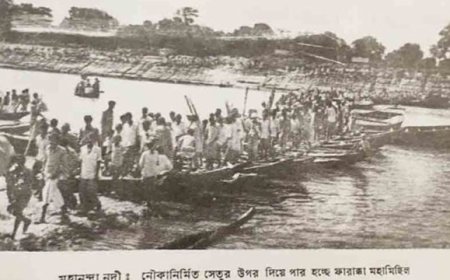
The Farakka Long march of 1976 was ultimately a march for dignity, justice, and survival. Even after five decades, its meaning has not faded. Rather, it has become more urgent than ever before. Because when rivers survive, nations survive too.

When citizens pay taxes, they demand services, transparency, and governance in return. This creates a feedback loop between the state and its people

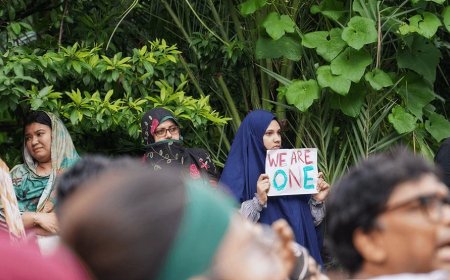
Woman keeps waiting for the world to realize that Lilith and Eve are not two women, polar opposites, black and white, dark and light. They are one. But Man either sees dark or light. We are all performers.

The doctors of Bangladesh are not the disease. They are symptoms of a system that has been starved, stretched, and left to collapse quietly while our politicians fly to London and Singapore for their own check-ups. Someone needs to call this what it is. A national emergency. A moral failure. A crusade waiting for people willing to fight it.
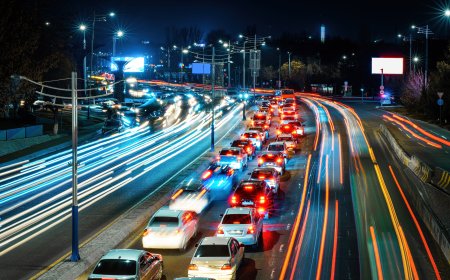
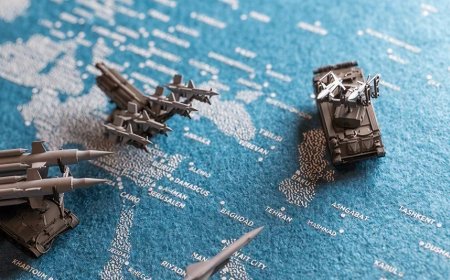
West Asia is burning again as the US-Iran conflict takes new turns. The heat of the conflict has reached the queues for fuel in Dhaka’s filling stations, where a new class of working poor is born in real time.
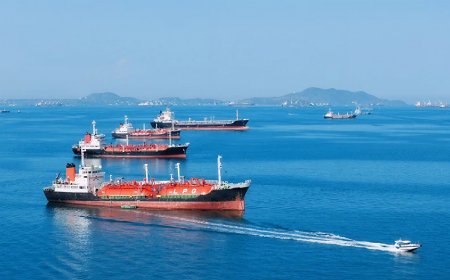
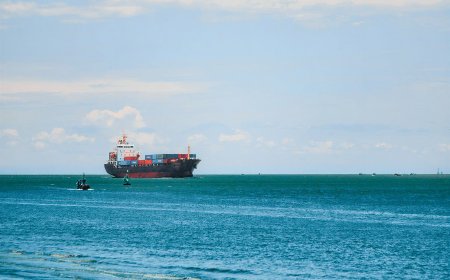
But the Strait of Hormuz never read your book. It does not care about Hegel. It does not care about the "universalization of liberal democracy." It cares about the presence of a warship within 500 kilometers of its shores -- and it has learned to fire a missile that can make that warship regret its existence.
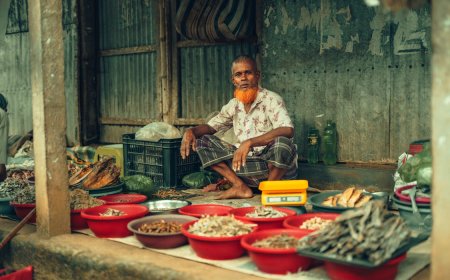
Financial inclusion cannot be measured solely by account ownership. It must be judged by whether a vendor can access 10,000 taka at 2 AM at a known cost, without humiliation or hidden charges, and with a pathway to better finance.
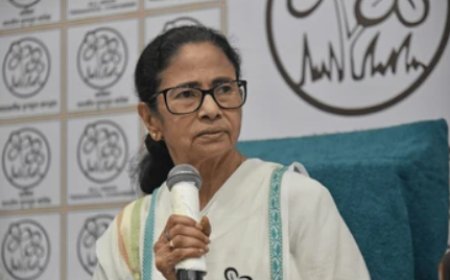
Mamata Banerjee governed Bengal through emotional familiarity. She spoke the language of neighbourhood grievances, middle class anxieties, and Bengali insecurity about national marginalization. For years, that intimacy protected her from anti-incumbency.
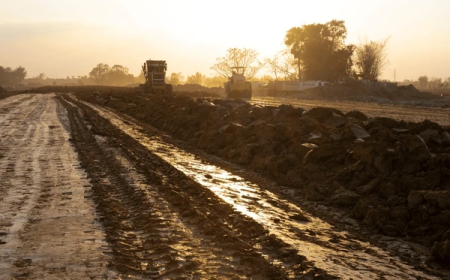
If canals worth thousands of crores of taka are excavated but become filled up or abandoned within a few years, the country will suffer irreparable losses, which would go against the intentions of our policymakers.