








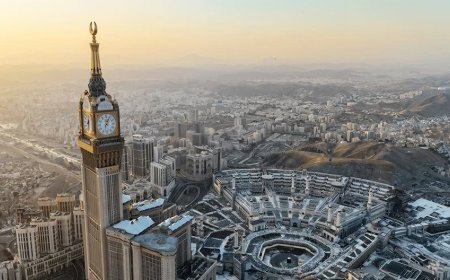


















































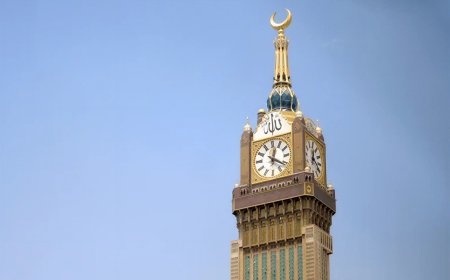
The Mecca Agreement will be remembered less as a wartime alliance against a weakened Iran and more as the founding document of a new, durable axis within the Muslim world, one whose rivalries with Israel, the UAE and India will define regional politics for a generation.
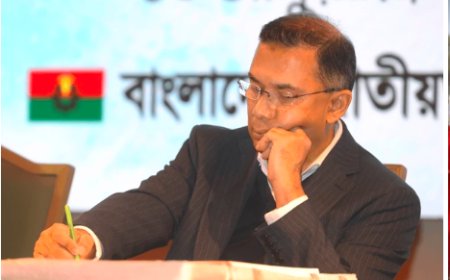
The value of a 180-day plan lies precisely in BNP's ability to make the early report card meaningful. If the clock was started by BNP itself, it cannot now complain that citizens are watching it.

The exchange has never run one way. Bangladeshi karatekas train to standards set in Tokyo. Instructors who came as visitors, stayed close to the country for the rest of their careers. What began as instruction became friendship.

Is coercive moral policing becoming normalized in Bangladesh’s public sphere?
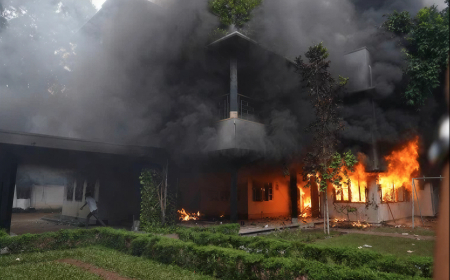
But for the first time, the ghosts of Dhanmondi 32 have found a voice in a court of law. The question now is whether the system will listen -- or whether this too will become another act in the long-running performance of impunity.

The least we owe her is the same chance we have always extended to men with far worse track records. If we spent even a fraction of the energy currently aimed at her job title on the officers who signed off on S Alam's loans, we might actually get somewhere.

Bangladesh’s possible entry into the Mecca Pact would be a consequential foreign-policy decision, testing whether the BNP government can translate its “Bangladesh First” policy into a strategic and politically sustainable choice.

When the minister responsible for internal security dismisses a terrorism warning before reading the report, the greater concern is no longer only the warning itself, it is the state’s capacity to respond to one.

The first Doppler poll suggests that the government's political position remains reasonably strong. Two different national surveys, conducted through different methodologies, place government approval at almost the same level. That convergence deserves recognition.
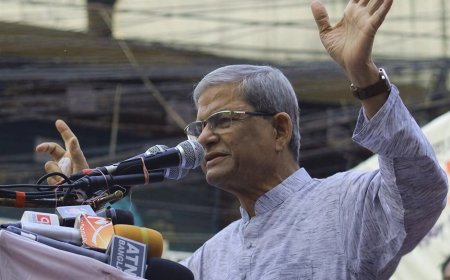
By choosing Mirza Alamgir, the Prime Minister has placed institutional credibility above other considerations, and in doing so has strengthened the constitutional order his government is charged with restoring.

The government deserves credit for recognizing that women’s mobility is inseparable from women’s participation in work, education, and public life. But the measure will succeed only if it is accompanied by a broader change in how we think about public space.

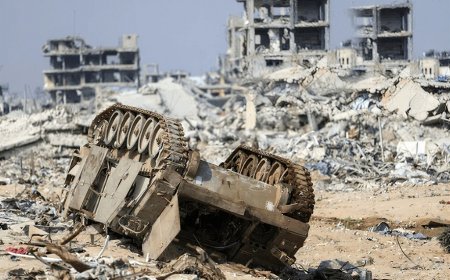
Destruction is useful only when it contributes to the political end. If overwhelming military force cannot produce that end at an acceptable cost, battlefield superiority becomes strategically insufficient.

Bangladesh is training more young people, but the economy is not creating enough jobs to absorb them. The result is a growing gap between skills development and meaningful employment.

In Episode 27 of The J-Z Show, Jon Danilowicz and Zafar Sobhan discuss the latest cabinet reshuffle as the government approaches its 180-day mark. The hosts examine the reasons behind the changes, what they signal about the government's priorities, and how the reshuffle could affect its performance in the months ahead.

The scholarship will be awarded annually to one female student and will remain valid for the duration of the A Level programme, subject to satisfactory academic performance and conduct.

It is more important than ever now to understand the protagonists of Poe’s stories. In an age when the topic of mental disorders is slowly being destigmatized, we need to try even harder to normalize the understanding of one’s mind, especially if it is volatile and potentially harmful.