
















































![A Ledger of the Soul: Navigating the Allah-Bhagavant Nexus in a 19th-Century Puruṣākāra Jñāna Caupara [Gyan Chauper]](https://counterpointbd.com/uploads/images/202608/image_430x256_6a93baa3b09a7.jpg)





















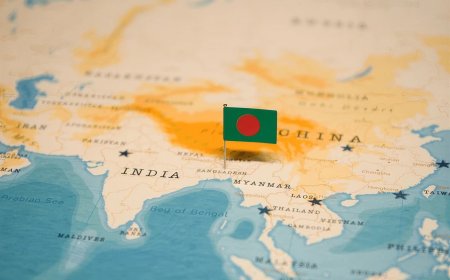
So the question becomes: If Bangladesh joins the Mecca Pact, which of its immediate security problems will be solved? My answer: Not very many.
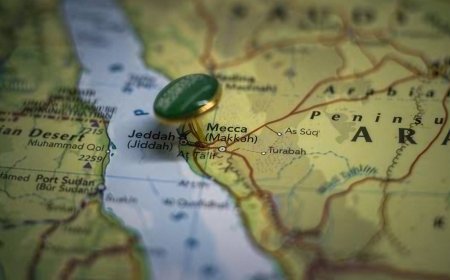
The strongest argument for Bangladesh joining the pact is not ideological or geo-political. It is strategic and an opportunity to strengthen its security, defense capabilities, economic partnerships, and diplomatic influence, while preserving its desired goal of strategic balance.

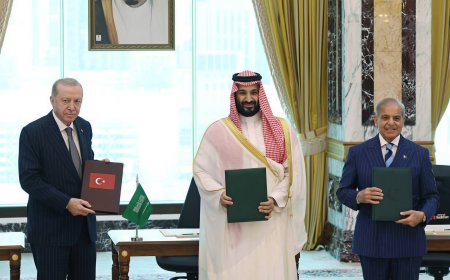
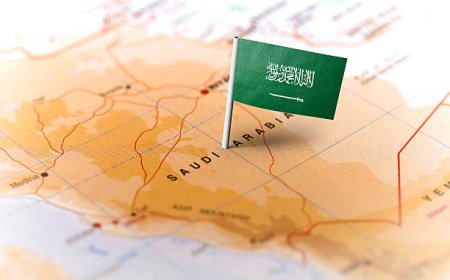
The Mecca Agreement will be remembered less as a wartime alliance against a weakened Iran and more as the founding document of a new, durable axis within the Muslim world, one whose rivalries with Israel, the UAE and India will define regional politics for a generation.
Dhaka has deepened military ties with Turkey while normalizing relations with Pakistan. This commitment towards strategic autonomy unsettles security planners in New Delhi, who view the accumulation of these moves as a potential erosion of Indian influence in the Bay of Bengal.
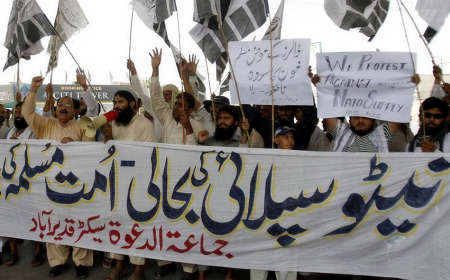
The military pact should not be viewed as an Islamic NATO. There are several reasons for this perspective. For one, there is no indication that a potential Indian attack on Pakistan would trigger a joint retaliation against India from all the signatories of the pact, the signature feature of NATO’s Article 5.
When an institution that possesses the legitimate instruments of force also begins accumulating authority over the definition of morality, citizenship and national identity, the balance can become fragile.
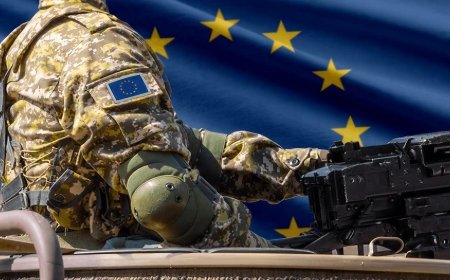
A more self-reliant Europe could also stimulate greater defence-industrial cooperation, increased arms exports, and new opportunities for technological and industrial partnerships with smaller states. It may ultimately contribute to a more multipolar international security environment in which European powers exercise greater strategic influence.