



































































The Mecca Agreement will be remembered less as a wartime alliance against a weakened Iran and more as the founding document of a new, durable axis within the Muslim world, one whose rivalries with Israel, the UAE and India will define regional politics for a generation.
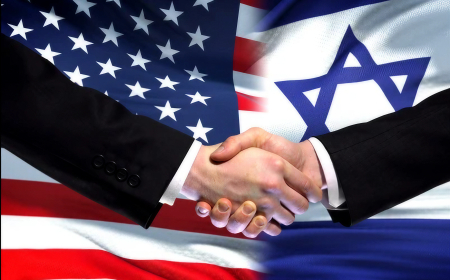
The real question is whether Israel can remain the kind of Israel that the world has known for the past half-century without American power standing behind it. On that question, the evidence points in only one direction.
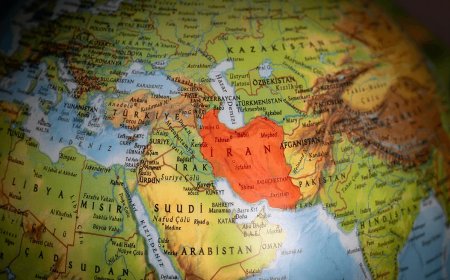
The ceasefire has created an opportunity. Whether the parties seize it will depend not only on the negotiators in the room but also on political leaders willing to accept outcomes short of their maximalist positions. Transforming that opportunity into lasting peace remains the region's greatest challenge.
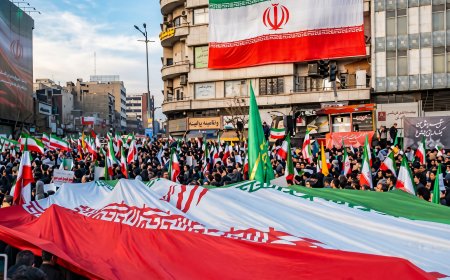
A nation fighting for its survival generates a depth of will that a nation fighting for its credibility simply cannot match.
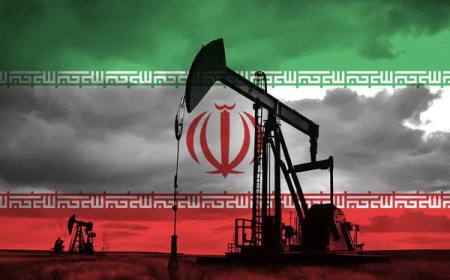
If Iran is honorably invited back into the financial system its 90 million refined and energetic people, backed by huge oil wealth, will be able to make the greatest possible contribution to strengthening not only the whole world economy but specifically to saving the US currency.
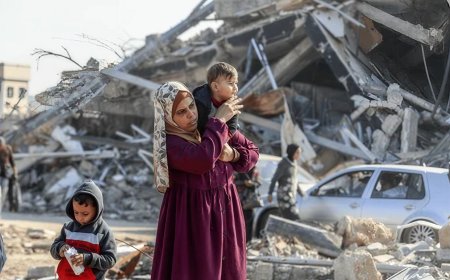
For civilians, of course, the distinction between pause and resolution may seem academic. The absence of immediate violence is a tangible relief. But from a structural perspective, the conditions that produced the war remain unchanged.

International law and global stability are not distant abstractions for Bangladesh but essential pillars of economic resilience and national planning.
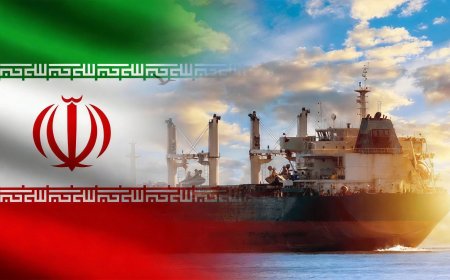
For the first time in decades, the United States risks strategic isolation within its own alliance network. If the United States is perceived as an unreliable negotiating partner, future mediation efforts -- both in the Middle East and beyond -- may suffer.

Both the USA and Israel have adopted evasive strategies influenced by various factors, such as diverting attention from the Epstein scandal, preventing Iran from developing a nuclear weapon despite Iran repeatedly denying its intent through negotiations in Geneva, the potential failure of Trump’s MAGA project, and notably, projecting a false sense of control over Iran before Trump’s visit to China to gain bargaining leverage. The length of the conflict will depend on the conflicting attitudes of the USA and Iran’s determination to withstand the war.

A prolonged conflict in the Middle East would likely trigger a slump in consumer demand in Western markets, leaving the RMG sector vulnerable to the dual blow of dwindling orders and the logistical nightmare of disrupted maritime routes.
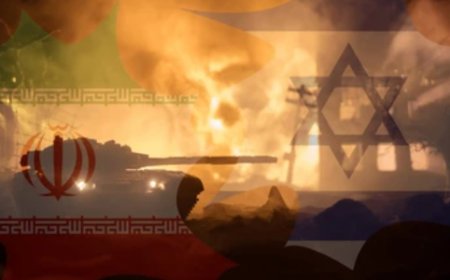
Since 1945, and specifically since colonizing Palestine with Israel and taking the baton of Empire from Britain, the US has been waging imperial domination around the globe, with the safety of claiming the distinction of not being an overt colonial force.
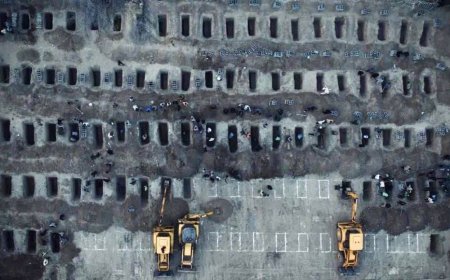
It is often said that there is no personal loss to the architects of war. That statement may be rhetorically exaggerated, yet it captures an essential imbalance. Decision-makers operate at a distance from the battlefield. Their families are rarely in the line of fire.
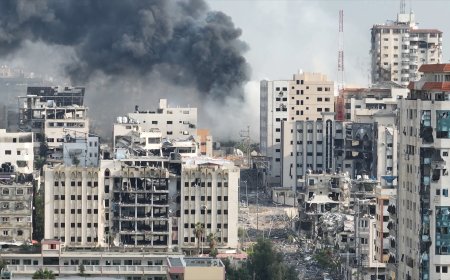
Israel’s budget deficit has tripled. Government spending has risen by 40%, while foreign investment has dropped by 60%. The economy is shrinking, and national income is falling. To cover its costs, the country is on its way to falling into a debt trap.

What we may be witnessing is not the eruption of uncontrolled conflict -- but a controlled application of force designed to close a 30-year nuclear standoff. History will not judge this moment by the explosions. It will judge it by what follows them.
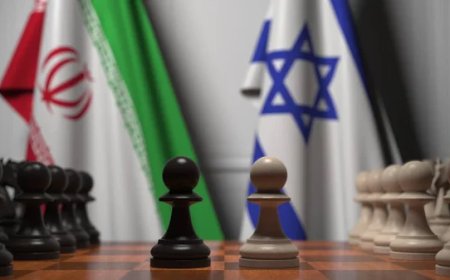
This is not peace. And it is not war. It is the controlled demolition of the Sykes-Picot agreement in favour of an integrated Middle East. Iran is reshaping its internal power structure and regional posture. The Middle East is not descending into chaos. It is being reorganized.

Bangladesh rejected Israel’s recognition not because it could afford to be principled -- but because it could not afford not to be strategic. Somaliland should take note. The lesson is clear: recognition divorced from coalition-building and regional consensus can be worse than no recognition at all.