


































































Our Energy Crisis is Structural
With only a few weeks of stock, Bangladesh ranks among the region’s most vulnerable.


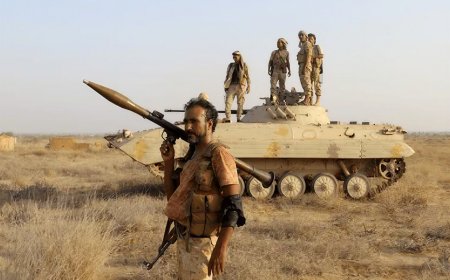
The war between the United States, Israel, and Iran has torn through the heart of Gulf energy infrastructure, exposing the fragility of a global energy system we thought was stable. Strikes on Iranian strategic sites have effectively closed the Strait of Hormuz to contested traffic (now reopened, ostensibly for the next two weeks), while major facilities across the Gulf have been damaged.
Iran’s South Pars gas treatment plants and Tehran refinery were hit, and attacks on Qatar’s Ras Laffan Industrial City crippled parts of the world’s largest LNG hub, cutting export capacity and disrupting long-term contracts with Europe and Asia. Kuwaiti refineries at Mina al Ahmadi and Mina Abdullah suffered drone strikes, Saudi Arabia’s Samref refinery was hit, and the UAE shut down major oil and gas facilities after missile interceptions.
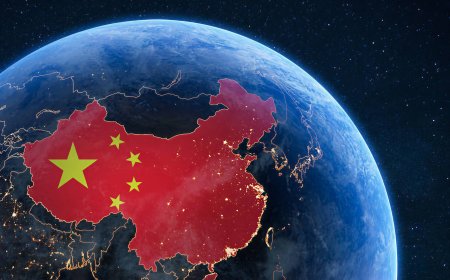
At the same time, the global oil trade long anchored to the US dollar is showing cracks. The petrodollar system, born from the 1974 US-Saudi security-for-oil deal, faces growing pressure as Iranian oil increasingly flows to China in yuan, quietly bypassing the dollar, and OPEC+ members signal openness to non-dollar settlement mechanisms.
The US is struggling to safeguard key Gulf energy infrastructure, while crude prices climb to record levels. With no clear end to this conflict, and even after the war ends, global energy markets won’t snap back to their old patterns. Power dynamics are shifting, the petrodollar is weakening, and damaged Gulf infrastructure will take years to recover. Short-term fixes like spot purchases won’t be enough, especially at a time when Bangladesh itself is facing a deepening energy crisis.
Bangladesh relies heavily on fuel imports from the Gulf, mostly transported through the Strait of Hormuz, priced in U.S. dollars, and insured by firms like Lloyd’s of London. This creates multiple vulnerabilities: Dependence on a single source, exposure to chokepoint disruptions, currency risk, and potential insurance gaps. Bangladesh needs a clear, long-term strategy: Diversify fuel sources, secure multiple supply routes, and leverage its regional position.
Government Could Prioritize
The government must move on three fronts to secure Bangladesh’s energy future.
First, it needs to lock in reliable fuel sources, with the Bangladesh-Russia-India Energy Corridor (BRIEC) offering a practical and route that avoids chokepoints like the Straits of Hormuz.
Second, it must invest in refining and strengthen domestic energy infrastructure, so the country is not always exposed to external shocks.
Third, the government must address its storage gap by expanding capacity and building a proper strategic reserve.
Securing Reliable Supply
Bangladesh could explore a Bangladesh-Russia-India Energy Corridor (BRIEC) through a trilateral arrangement, where heavier crude is refined at Indian refineries and then delivered via the Bangladesh–India Friendship Pipeline, operational since March 2023 under a 15-year bilateral agreement. Though still a potential strategy, this approach could diversify fuel sources, secure more affordable refined products, reduce reliance on Gulf imports, and strengthen regional energy ties.
Refining in India makes practical sense because Bangladesh’s existing refinery capacity is not suited to process heavier grades crudes like, Russian crude, as seen during testing at Eastern Refinery Limited (ERL) in September 2022. In contrast, Indian refineries are well-equipped to handle such heavier crude at scale. India also sources a significant share of this crude from Russia at discounted rates, an advantage Bangladesh could tap into under a trilateral framework through more affordable refined fuel imports.
Bangladesh is currently using well below the pipeline’s full capacity. That underuse itself is an opportunity. Bangladesh could also set up a coordinated payment system with India and Russia to make fuel imports smoother and more reliable. Under the BRIEC framework, Bangladesh would not be limited to diesel alone but could access the full range of refined products such as LPG, naphtha, furnace oil, jet fuel, bitumen, and other petrochemicals from each barrel of crude.
The infrastructure is already in place; what’s needed now is proactive engagement to formalize and scale the arrangement. With smarter utilization, targeted upgrades, and streamlined payments, this approach can deliver a steadier, more cost-effective supply, reduce dependence on Gulf imports, ease pressure from dollar-based transactions, and deepen regional energy cooperation.
Refining Energy at Home
Bangladesh still relies on a single major refinery Eastern Refinery Limited (ERL), built in 1968 with a capacity of just 1.5 million tons a year. It also cannot efficiently process heavier crude, as recent tests have shown, leaving the country dependent on refining abroad. Meanwhile, demand has already reached around 8 million tons annually and, with continued industrial growth, could nearly double by 2030.
Even when ERL-2 comes online around 2030, adding another 4.5 million tons, total refining capacity will rise to only about 6 million tons still well short of projected demand. The gap, in other words, remains.
That is why Bangladesh will need to think beyond incremental upgrades. A larger, fully integrated refinery whether through an expanded ERL-3, a new state-led project, or private sector investment is becoming essential. Developed through public-private partnerships, including under a BRIEC framework, such a facility would not only allow the country to process heavier crude at home and reduce dependence on external refining, but also tap into strategic expertise from India and Russia, gaining technical know-how and operational experience that can strengthen long-term energy security.
By 2030, ERL-2 may cover part of domestic demand, but the rest will still come through imports via the India-Bangladesh Friendship Pipeline and Middle Eastern suppliers. A balanced approach combining local refining with diversified external supply can reduce risk and ensure steady fuel access.
Bangladesh’s Fuel Storage Gap
Whenever global energy markets face disruptions, countries feel the impact differently. Some can weather the storm for months thanks to large refineries and strategic reserves, while others, like Bangladesh, feel the pressure almost immediately because of limited infrastructure. Bangladesh’s fuel storage holds just 1.3-1.4 million tons, enough for only 30-40 days of consumption, far below the 90-day international standard.
Most of this diesel, petrol, and jet fuel is regular depot stock with limited reserve capacity, not a proper strategic reserve, leaving the country highly vulnerable to interruptions from geo-political tensions or war.
Most of Bangladesh’s fuel is stored along the coast. Even with new tanks at Maheshkhali and Comilla, fuel must still be transported long distances to reach the northern and southwestern regions, driving up costs and risks during disruptions. Private storage is limited and mainly serves commercial needs.
By comparison, India keeps about 74 days of reserves and Thailand 60-65 days. With only a few weeks of stock, Bangladesh ranks among the region’s most vulnerable. Building a 90-day strategic reserve, spread across the country, is no longer optional it is essential to withstand any major supply disruption.
Strategy Without Sides
Bangladesh doesn’t have to pick sides to secure its energy future. It can keep its ties with Gulf suppliers while building smart, practical partnerships with India, Russia, China, and the United States. Real resilience comes from moving on all fronts at once, diversifying supply through initiatives like BRIEC, expanding domestic refining, creating strategic fuel reserves, and gradually investing in renewables.
Pipelines, refineries, and storage have to work together, supported by investment, careful planning, and steady diplomacy. With rising demand and a strategic location, Bangladesh has a real chance to build a modern, diversified energy system one that’s less vulnerable to external shocks and better aligned with long-term needs.
Limited hydrocarbon reserves and the fact that renewables can’t replace fossil fuels anytime soon mean the country must get three things right: Diversification, refining, and storage. Investing in corridors like BRIEC, boosting domestic refining, and building strategic reserves isn’t just about managing risk, it’s about fueling growth, strengthening industry, boosting GDP, and securing Bangladesh’s economic future.
Kollol Kibria is an Advocate, Human Rights Activist, and Political Analyst. He can be reached at [email protected].