



































































The Cold Chain Question We are Not Asking
Only through a combined approach -- strengthened technical capacity, strict regulation, and informed public awareness -- can we ensure that vaccines retain their full effectiveness from manufacturer to patient, and that preventable tragedies are avoided.

In Gaibandha, five people died within seven days due to dog bites -- this news came to my attention last month. Another report by a journalist raised an important question: Why couldn’t these victims be saved even after receiving vaccination?
The report explored several possible causes behind these unfortunate deaths, including negligence in wound cleaning, delay in taking the vaccine, and wounds located close to the brain.
These are well-known and important clinical factors. However, another dimension that also deserves attention is the possible breakdown of the cold chain of the vaccines administered.
While factors like delayed treatment and poor wound care are usually the main reasons for such deaths, the possibility of vaccines losing effectiveness due to cold chain break should not be ignored and deserves further investigation.
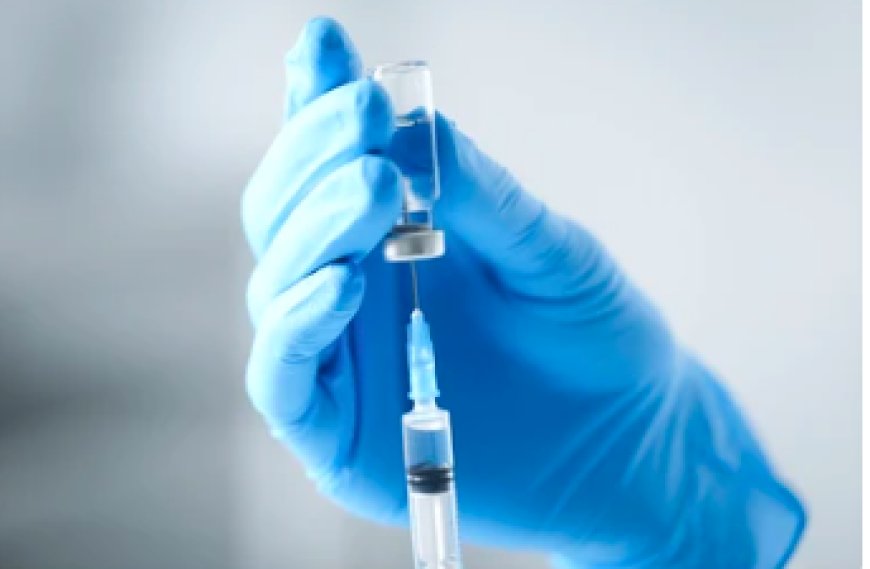
Now let’s talk about what cold chain is and how it could be connected this incident. Cold chain is a temperature-controlled supply system used for storing, transporting, and managing temperature-sensitive products from the point of manufacture to the point of use.
Vaccines, as well as medicines like insulin, must remain within this system to maintain their effectiveness. Most vaccines require storage between 2°C and 8°C. If this temperature range is not maintained, the vaccine’s formulation can degrade and lose potency. As a result, it may fail to provide the intended protection, which in some cases can lead to severe consequences, including death.
Turning to another national concern, children in Bangladesh continue to suffer and, in some cases, die from measles -- despite the disease being vaccine-preventable. We are still trying to understand where the system is failing.
Much of the public discussion focuses on administrative decisions, including questions around procurement cancellations by the interim government. There are also other contributing factors, such as declining immunization coverage over the past several years, particularly in the post-COVID period.
However, one crucial but often overlooked question is whether vaccines consistently maintain an intact cold chain during storage and administration. While reduced coverage and access gaps are widely acknowledged as the dominant drivers of measles outbreaks, potential cold chain weaknesses may also play a contributing role by reducing vaccine effectiveness in certain contexts, especially in remote or resource-constrained settings. In government vaccination programs as well, is cold chain integrity always fully ensured?
In Bangladesh, such issues are rarely discussed unless a crisis emerges. The Expanded Program on Immunization (EPI) has been one of the country’s most significant public health successes and is widely regarded as a model for other nations.
According to UNICEF, Bangladesh’s EPI has saved an estimated 94,000 lives and prevented around 5 million illnesses each year. However, the question remains: without strict cold chain integrity, can this success be fully sustained?
Moving to the commercial sector, outside the EPI program, significant number of vaccines are purchased privately due to shortages in government hospitals—particularly vaccines such as tetanus toxoid and rabies. As a result, many people depend on local pharmacies.
But how many of these pharmacies actually maintain proper refrigeration systems? How many uses pharmaceutical-grade storage equipment? Is there any guidelines on how to manage cold chain items? What happens during the time of loadshedding? And how many consistently ensure the required 2-8°C temperature range?
From my experience, only a very small number appear to meet these standards consistently.
Manufacturers of vaccines and biological products also often fail to ensure strict cold chain compliance across the entire supply chain. The focus is frequently more on distribution and sales than on end-to-end temperature integrity.
Even when insulated boxes and thermometers are used, without continuous monitoring and proper documentation, it is difficult to confirm whether the required temperature range has truly been maintained throughout transport.
When questioned, delivery personnel often respond that “this is how we do it everywhere every day.” This reflects a broader lack of strict enforcement, standardized guidelines, and effective monitoring in cold chain management.
In a country like Bangladesh, public awareness also plays a crucial role in ensuring vaccine safety. A significant portion of the population may not be fully aware of the importance of cold chain requirements. Even among educated individuals, knowledge about such technical and delicate matters is often limited.
As a result, when vaccines are purchased from local pharmacies, there is rarely any scrutiny regarding whether they have been properly stored under required conditions. The responsibility is often assumed to lie entirely with the provider, while awareness about storage standards remains low among the general public.
While the government’s EPI program benefits from relatively strong oversight—supported by international partners such as WHO, UNICEF, and GAVI -- the commercial sector lacks comparable regulation and monitoring systems.
So, the key question is: who is responsible for ensuring cold chain integrity in this sector, and how can it be guaranteed?
We need health logistics experts within both government systems and regulatory bodies to strengthen oversight of the commercial sector. At the same time, structured training must be provided to all stakeholders involved in vaccine storage and distribution.
A clear understanding of cold chain importance will significantly improve both compliance and monitoring. Alongside this, mass-level public awareness campaigns should be introduced so that people themselves become informed participants in safeguarding vaccine integrity, rather than passive recipients.
Beyond training and awareness, stronger regulatory enforcement is also essential. Routine inspections of pharmacies and private healthcare providers should be conducted, with clear penalties for violations of cold chain protocols.
Digital temperature monitoring systems and real-time tracking of vaccine storage conditions could also be introduced to reduce human error and improve accountability across the supply chain.
Only through a combined approach -- strengthened technical capacity, strict regulation, and informed public awareness -- can we ensure that vaccines retain their full effectiveness from manufacturer to patient, and that preventable tragedies are avoided.
Mahady Tarek is a pharmacist.