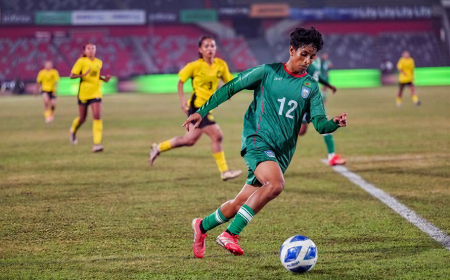
Bangladesh will not experience a shock, but it will face a shift -- from a system dominated by generic competition to one where intellectual property plays a more active role in shaping market access and industrial upgrading.

Who is she when she is no longer needed every moment? What remains of her when the role that gave her respect, purpose, and visibility is taken away?

When institutions operate without transparency or accountability, they forfeit their legitimacy and become the very source of the wounds they were meant to heal. For the post-uprising state to heal the nation, it must first heal itself, by dismantling these deeply rooted practices of exception and institutionalized violence.
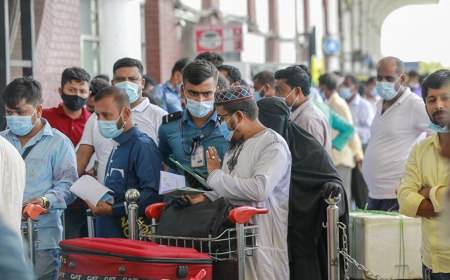
The workers did their job. Now the state needs to do its part. Our remittances are as big as our garments. So why does one get a ministry and the other get a circular?

There is a real gap between what universities teach, how students learn, and what employers increasingly need.
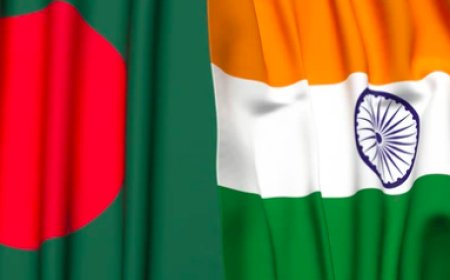
Does it mark the end of an era, or return to a bygone era in which Hindu-Muslim clash was a celebrated theme? The Muslim-majority Bangladesh next door, which has just survived a massive political upheaval, adds urgency to our query.
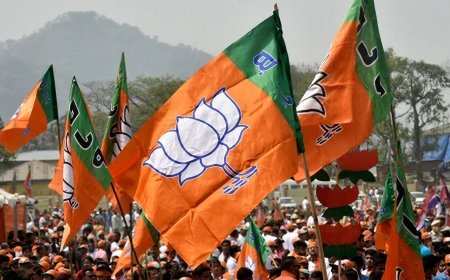
For Bangladesh, diplomacy has now become more important than ever before. It will require a sophisticated neighbourhood policy that combines realism with prudence. Emotional reactions or reactive nationalism unlikely to serve Bangladesh’s long-term interests well.

In an era dominated by misinformation and aggressive supplement marketing, creatine stands apart as a rare example of a supplement supported by decades of rigorous scientific investigation.
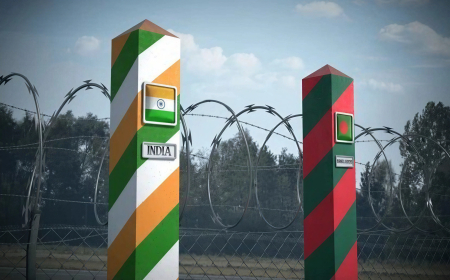
What India did for us is real. What India has done to us, and what it has told itself to justify that, is the projection.
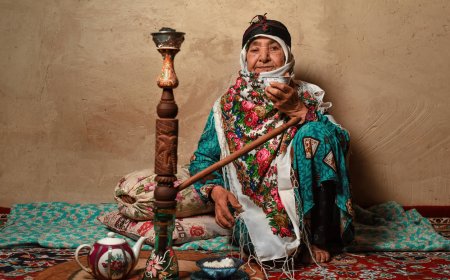
The aesthetics, love of poetry, the beauty of roses, love of delicious food, and love and respect for religion and culture are ideas and practices of the subcontinent, particularly Bengal, that are credited to Iran.
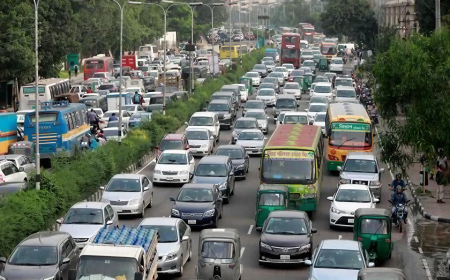
A farmer in Rangpur, a student in Barishal, an entrepreneur in Khulna, or a patient in Sylhet should not feel disadvantaged simply because they live outside Dhaka.
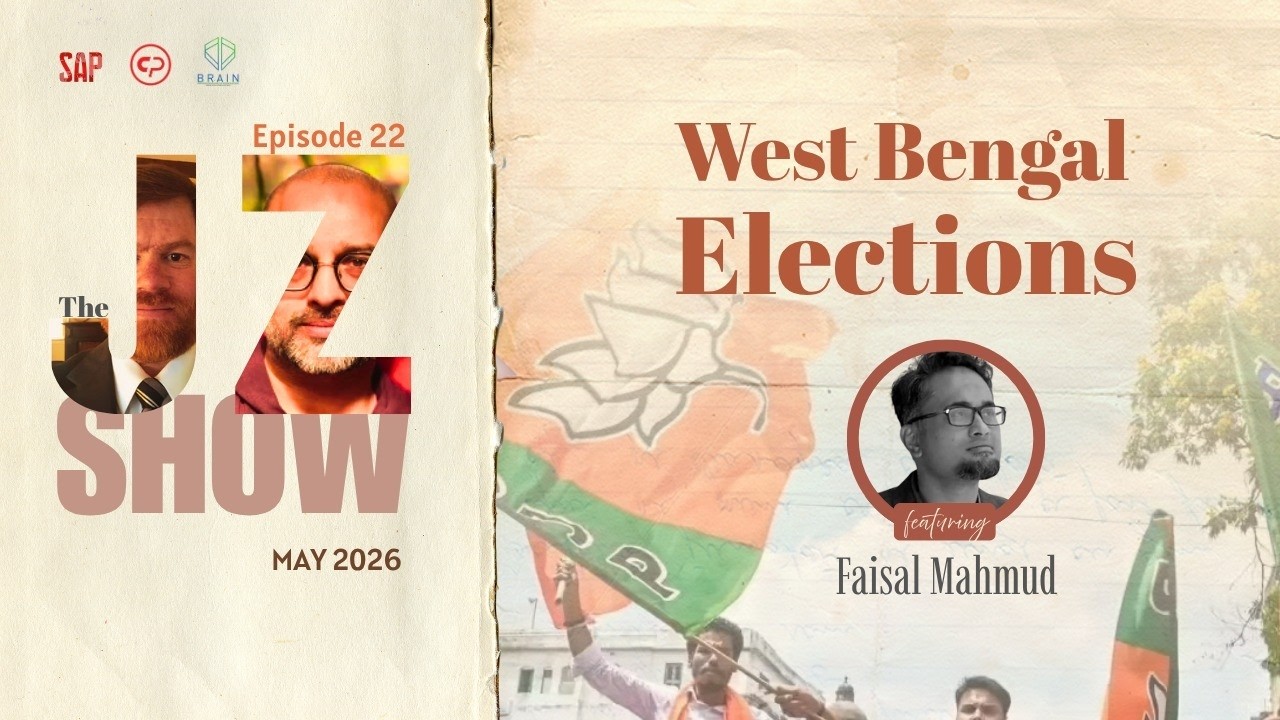
In Episode 22 of The J-Z Show, hosts Jon F. Danilowicz and Zafar Sobhan are joined by journalist and political analyst Faisal Mahmud for an in-depth discussion on the upcoming West Bengal elections and their wider implications for regional politics.

Bangladesh cannot sustain its growth economically if our banking system remains feeble and compromised. The solutions are well known: Independence, accountability, transparency, good compliance, governance, and professionalism. What’s missing is the willpower to enforce them.
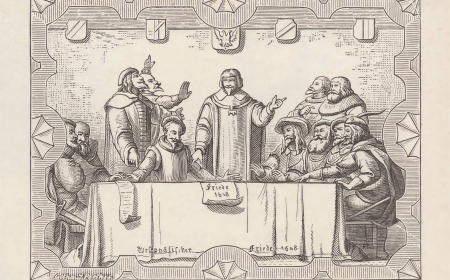
When the world's sole superpower declares itself a pirate, it may be time to dust off a 17th-century peace treaty.
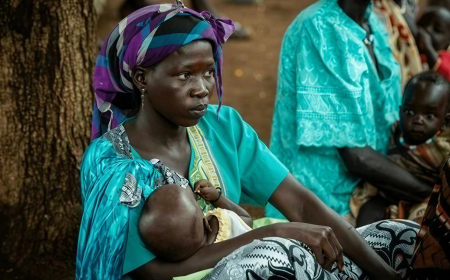
As we sit at our dining tables day in and day out, perhaps we cannot picture a mother sitting at home in Sudan, unable to silence her shrieking child because she must feed him or her boiled leaves or grass.