



























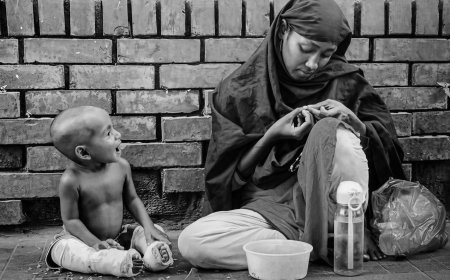



































If essential medicines remain outside effective price control, public health will depend less on policy -- and more on what patients can afford. For many Bangladeshis, that is not a sustainable equation.
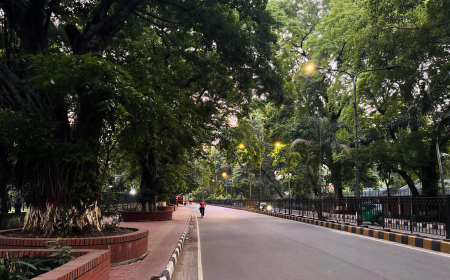
They Packed Their Bags in 1947. But Their Names Are Still Embedded in Dhaka's Oldest Roads.

The Charter belongs to no party. Whoever channels public impatience into pressure for its implementation will own ground nobody else is contesting.
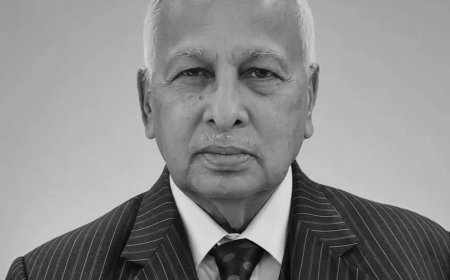
He understood that the success of North South University would serve as a practical demonstration that the newly enacted legislation would help develop Bangladesh. After all, he had been instrumental in helping create the legal framework that made the institution possible.
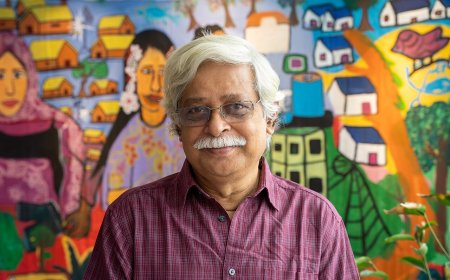
For decades, Bangladesh placed some of its heaviest moral burdens on Muhammed Zafar Iqbal's shoulders. When students needed someone, we called him. When science needed a champion, we called him. When education failed, we expected him to protest.
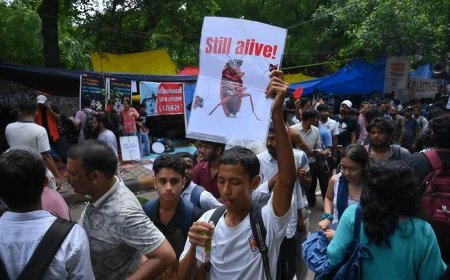
A more instructive comparison is India’s own protest wave of the mid-1970s -- and the political reckoning it produced for former Prime Minister Indira Gandhi.
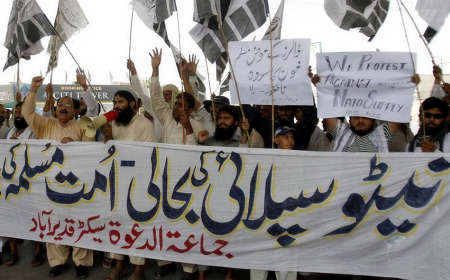
The military pact should not be viewed as an Islamic NATO. There are several reasons for this perspective. For one, there is no indication that a potential Indian attack on Pakistan would trigger a joint retaliation against India from all the signatories of the pact, the signature feature of NATO’s Article 5.
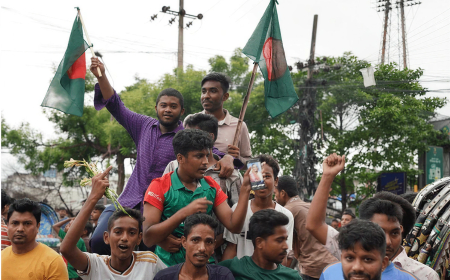
Bangladesh has already demonstrated that revolutions can go viral. The unfinished challenge is ensuring that reform becomes institutional.
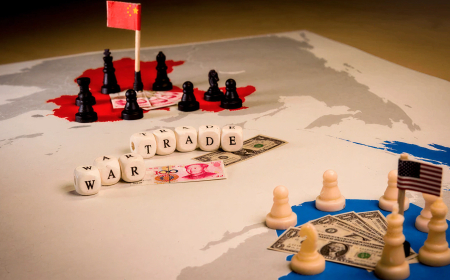
The defining question is no longer whether China has become a global power, but whether its model of development and statecraft will shape the rules of the international order in the decades ahead.
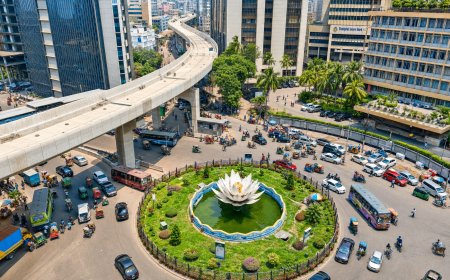
Lower interest rates can reduce the cost of borrowing. They cannot repair broken credit discipline, restore depleted capital, or rebuild confidence. Monetary policy can support economic recovery only when the banking system is capable of allocating capital on commercial rather than political grounds.
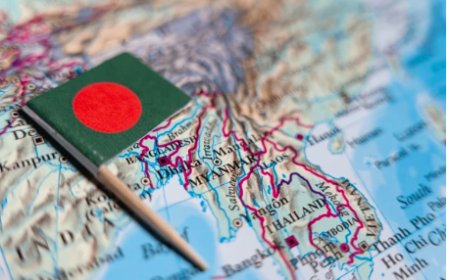
If autonomy matters only in relation to one great power while compliance with another is rebranded as "technical cooperation," then Bangladesh has not escaped dependency. It has merely changed its address.

The government is still following the crawling peg system, allowing the exchange rate to vary between lower limit and higher limit with the difference with the market rate no more than a Taka.

If the chair simply remains empty, the summit proceeds, other states advance their interests, India absorbs the symbolism without changing its behaviour, and Bangladesh returns home with little more than domestic applause, then it was not leverage. It was an opportunity lost.

The presumption of innocence, one of the oldest principles of modern jurisprudence, loses all practical meaning if an acquittal arrives only after years spent inside a prison cell.

We do not have to say goodbye to fresh water because we build an AI data center. We might, however, make an entirely avoidable mistake if we approve the wrong cooling system in the wrong place, drawing the wrong water at the wrong time

To imagine a post-Western world is not to erase the Odyssey from cultural memory. It is to place it in a larger gallery. To see its frame. To notice what the frame excludes. And to realize that the exclusion is not natural but constructed, maintained, and, when necessary, violently defended.