


























































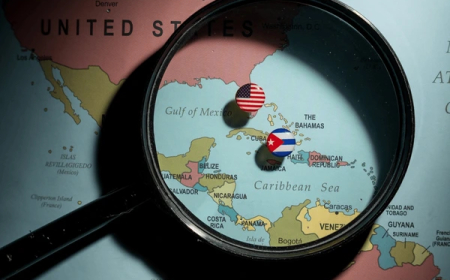
Whether this moment produces genuine Cuban freedom or merely a new form of managed dependency will depend entirely on whether Washington wants a democratic Cuba or simply a compliant one. Those are very different objectives. And so far, the evidence suggests Washington hasn't quite decided which it's actually after.
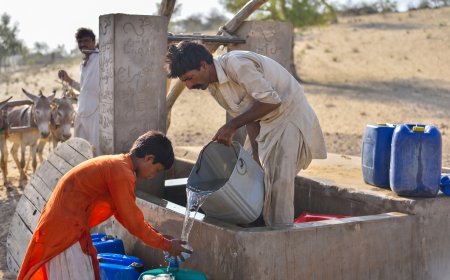
In the brutal, transactional mechanics of international survival, Pakistan does not need to plead for a seat at the diplomatic table; the raw architecture of global crises ensures that the table cannot be built without it.
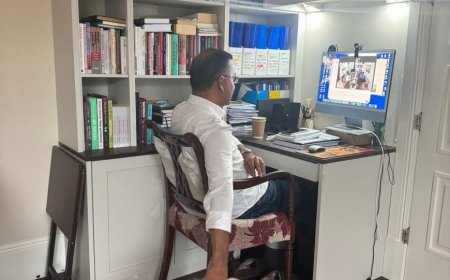
In one simple way, Tarique Rahman stands to be more successful than either of his parents. Neither of them could successfully, peacefully, finish their term and hand over power to the next government. Ziaur Rahman was gunned down by rogue officers. Khaleda Zia faced an implacable foe who made good on her promise of not allowing the former prime minister a moment of peace.

AI is moving faster than any of them. The question is not whether algorithms belong anywhere near the battlefield. The question is who decides where the line is -- and whether anyone is really drawing it at all.
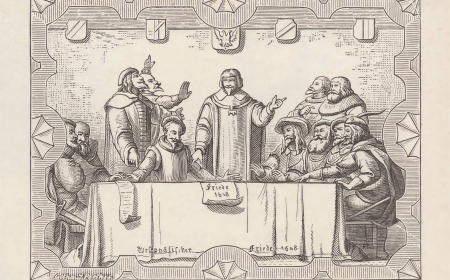
When the world's sole superpower declares itself a pirate, it may be time to dust off a 17th-century peace treaty.
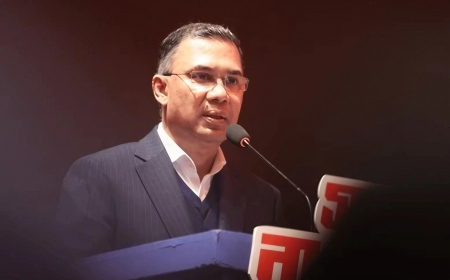
All things considered, Mr. Rahman receives a “meets expectations” grade. The BNP government, as a team, receives a “needs improvement” grade, but not a failing one.
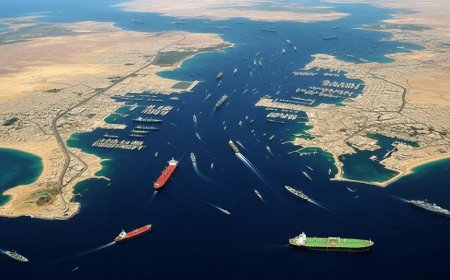
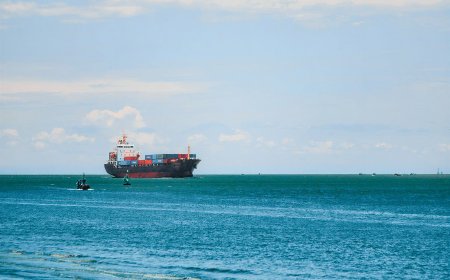
For Bangladesh and other maritime-dependent nations, the lesson is clear. Security can no longer be conceived in predominantly territorial terms. It must be understood as a function of connectivity, resilience, and access -- all of which are fundamentally maritime.
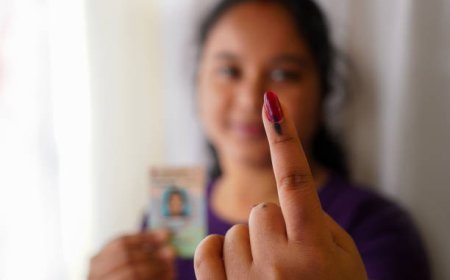
In 150 seats, more than half of West Bengal’s 294, total deletions were greater than victory margins, and BJP won 99. In 2021, it had won just 19 of these.
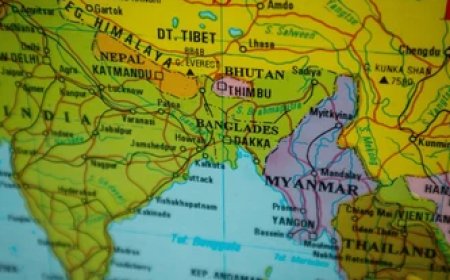
A double-engine BJP government could no longer blame West Bengal’s opposition for delays. If New Delhi and Kolkata are aligned, Bangladesh will expect results on both the Ganges and Teesta. The Teesta dispute, long blocked by Mamata Banerjee, is especially symbolic. With the Trinamool Congress out of power, Dhaka would expect movement.
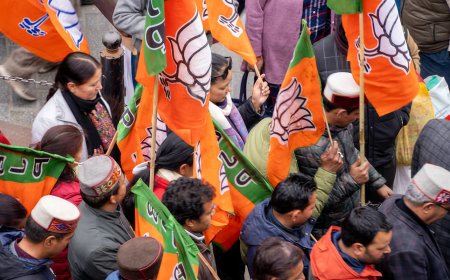
West Bengal's voters may not have articulated this distinction in theoretical terms. But they felt its weight. The images from Dhaka showed them what the far end of one trajectory looks like.
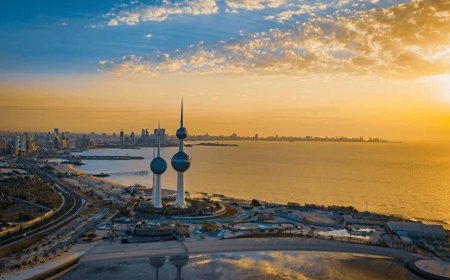
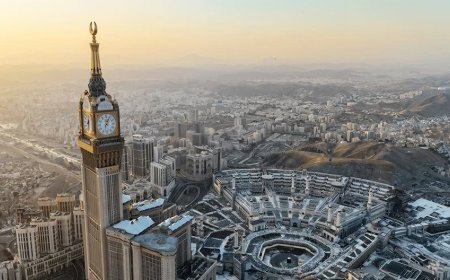
The Arab world is connected, but it is not unified. Its leaders may meet under chandeliers, embrace for cameras, and issue communiqués about common destiny in a common language. But beneath that ceremonial language lie rival economies, competing ports, divergent security partnerships, dynastic anxieties, and national projects.
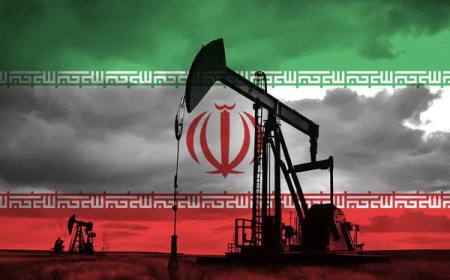
If Iran is honorably invited back into the financial system its 90 million refined and energetic people, backed by huge oil wealth, will be able to make the greatest possible contribution to strengthening not only the whole world economy but specifically to saving the US currency.
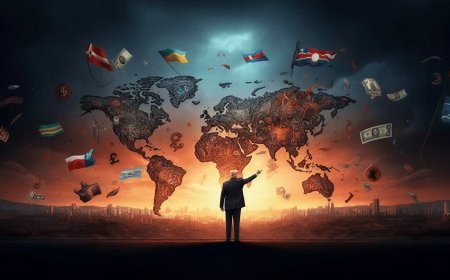
The final irony of our current moment is that while the world watches the dramatic surface conflicts and the crises that dominate headlines and social media feeds, the deeper system is already adjusting, already adapting, already moving towards a different configuration.
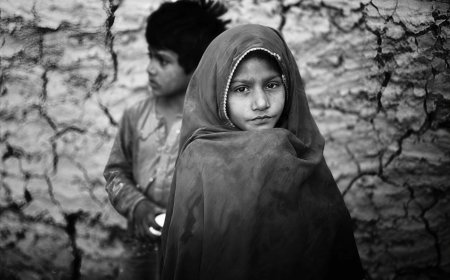
55 years ago today, Pakistan as it existed then came to end as the Mujibnagar Government was formally formed. Two generations on, the peoples of the two countries share a common yearning for democracy. On both wings of the erstwhile Pakistan then, a prayer for democracy.

The economic man treated nature as a storehouse. The social man must learn to treat it as a home -- and eventually, as an authority.

In 840, the mayor always wins. The machine keeps humming. The tenders keep flowing. But the film exists. Someone made it. Someone watched it. Someone wrote about it. And that, perhaps, is where the next story begins.