





























































When the minister responsible for internal security dismisses a terrorism warning before reading the report, the greater concern is no longer only the warning itself, it is the state’s capacity to respond to one.
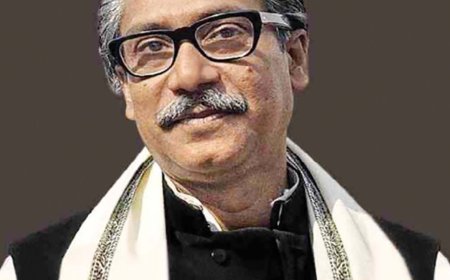
To be exact about what happened and what didn't: Bangladesh was not reborn in August 2024. A country is born once. What happened in 2024 was not a second birth but a reckoning.
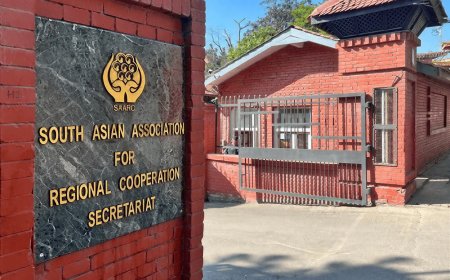
The moment may have arrived for Dhaka to turn India’s need for regional legitimacy into an opportunity to reset the relationship on a more balanced and multi-lateral footing.

When a rigorous nationwide poll challenges the political narratives favored by commentators and newsrooms, the proper response is scrutiny, not silence.
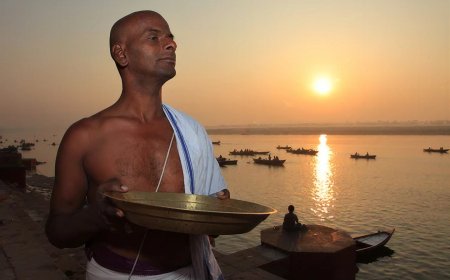
A formal apology may not lead to concrete changes. Instead, pursuing reparations could help reimagine the project of social justice in India.
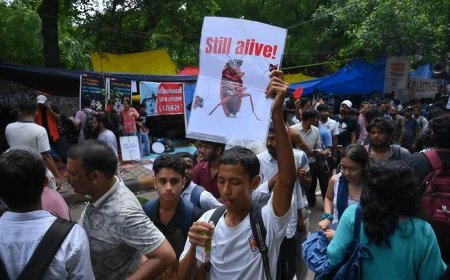
A more instructive comparison is India’s own protest wave of the mid-1970s -- and the political reckoning it produced for former Prime Minister Indira Gandhi.
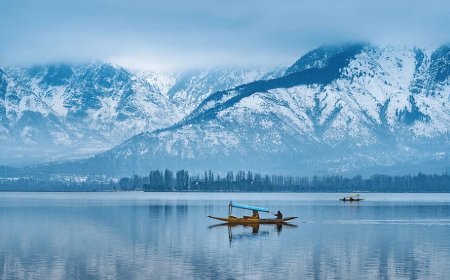
India says Kashmir is an integral part of its territory. Pakistan says it is an unfinished international dispute. Global powers treat it as a question of regional security. But Kashmiris themselves still do not possess an equal role in determining their political future.
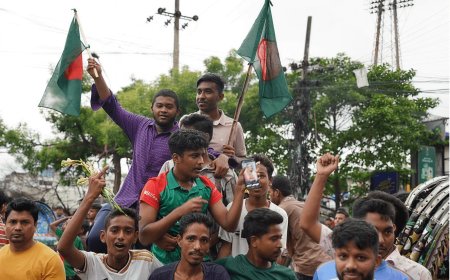
Deep political involvement is necessary to set policies, which bureaucracies can then execute, not vice versa, the whole nation, regardless of political leanings, prefers its leader to be bold yet pragmatic

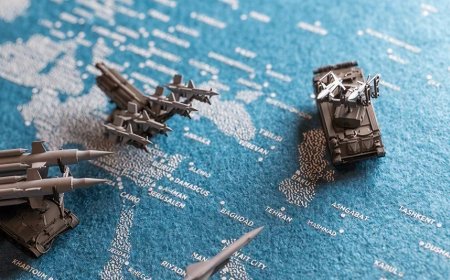
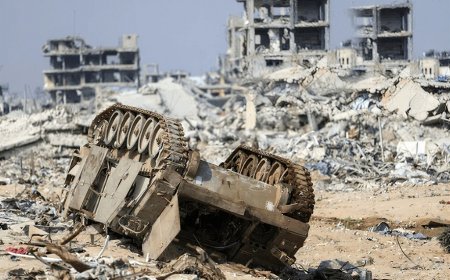
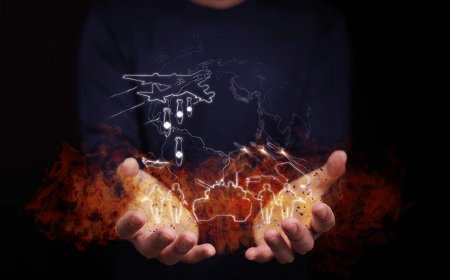
The decolonization of our newsfeeds is not an abstract intellectual exercise; it is a matter of life and death. When a mother in Tehran, a father in Gaza, or a child in the Congo is bombed into oblivion, we owe it to them to bypass the filters of London and New York.
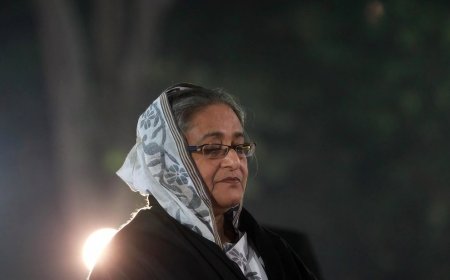
Hasina has nudged New Delhi to define its position on her extradition and forced the BNP to confront, sooner than it may wish, whether it truly wants her back and, if so, on what terms.
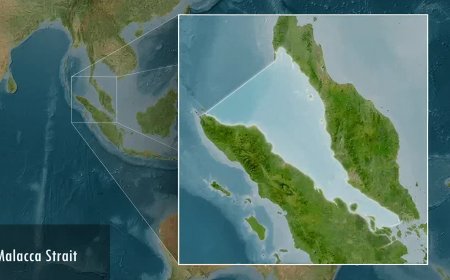
There is the India-shaped hole in the map. By excluding New Delhi, Beijing has made the corridor more diplomatically tractable, but it has also converted an economic connectivity project into a more explicit piece of the China-India strategic contest in the Bay of Bengal.

Historians genuinely disagree about how much of the Bengal famine's death toll is attributable to policy versus war-driven scarcity that no government could have fully solved, just as historians and communities genuinely disagree about how the Nakba should be contextualized alongside the displacement of Jews from Arab lands.
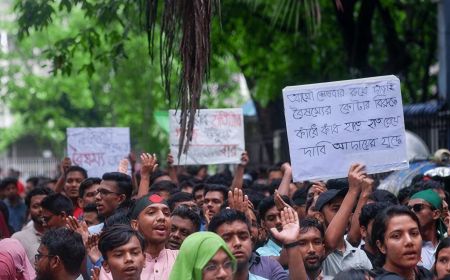
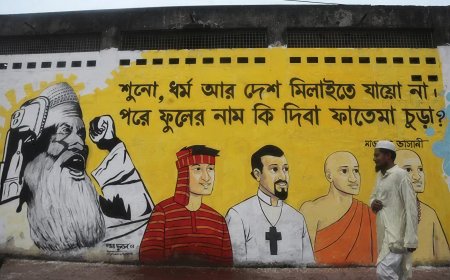
Bangladesh has always educated its citizens twice -- once in its institutions and once in its streets. The classroom teaches what the nation wants to be. The street teaches what the nation truly is.
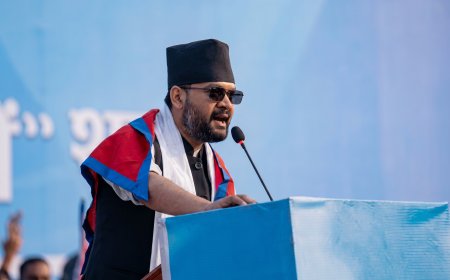
As Nepal’s story unfolds with such urgency, its triumphs and stumbles equally on display, what does Bangladesh’s narrative look like?

Yes, economists may envy physicists and political scientists may envy economists. But, here, in a place as fluid and unpredictable as Bangladesh, there are moments when even the most elegant model benefits from being challenged by a journalist's imperfect, half-cooked antithesis.

Gen Z is winning the internet through a combination of genuine grievance, cultural fluency, and the particular humor of people who have been told they are useless and decided to make art out of it.