























































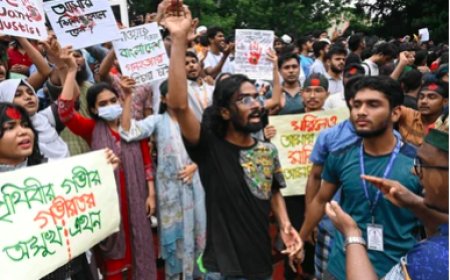
A historic election was held 18 months after the government's resignation with an electorate of approximately 44% under 35. Yet fewer than 10% of candidates were under the age of 35, and just twelve were elected to parliament.

Bora's story reminds us that student politics is not necessarily a rehearsal for mainstream politics. It can be a laboratory for a different kind of politics, one in which the boundary between campus issues and national questions is increasingly blurred.

Bangladesh is now a clear battleground in the clash between traditional politics and hyperpolitics, because the party in power is wedded to the old school politics and its opponents rely on the new politics more and more.

Prof Riaz is right that elections alone cannot sustain democracy. The further point is that institutions cannot remain independent if parties refuse to accept limits on their own power. Bangladesh will break its political cycle when we agree that winning power does not confer ownership of the state.
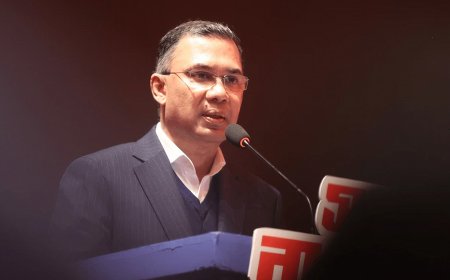
Tarique Rahman has the goodwill, the mandate, and the time to do this differently. The most durable thing he can build in his first term is a caretaker system both the government and the opposition can claim to have shaped, and thus will be owned by both.

What Tarique Rahman’s UNGA address says about Bangladesh’s emerging role in the Global South
A serious opposition does not merely show that something is broken. It identifies who is responsible, produces evidence, demands a remedy, and keeps the issue alive after the cameras leave. That is harder than shouting. It is also politics.
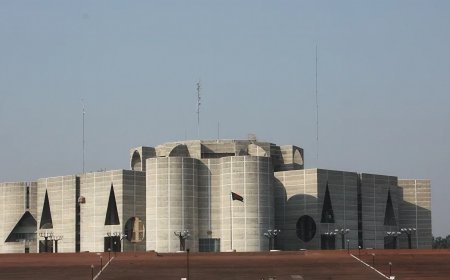
Democracies have one great corrective: The election, the moment citizens who handed over power can take it back.
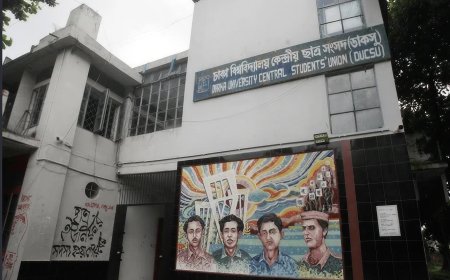
The controversy over DUCSU’s refurbished museum is not really about whether Jinnah belongs on the wall. It is about something more consequential: Who gets to decide which parts of Bangladesh’s political past remain visible.

Bangladesh will begin to escape its cycle when “Look what they did” ceases to be an adequate response to “What have you done?”
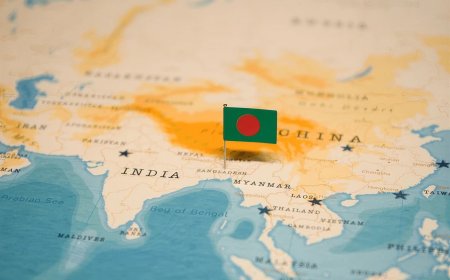
Foreign policy is ultimately not an accounting exercise in who loves us. It is about identifying where interests converge, where they conflict, what each relationship can deliver, what risks it creates, and how those relationships can be converted into bargaining power for Bangladesh.
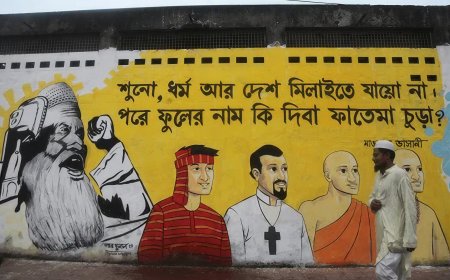
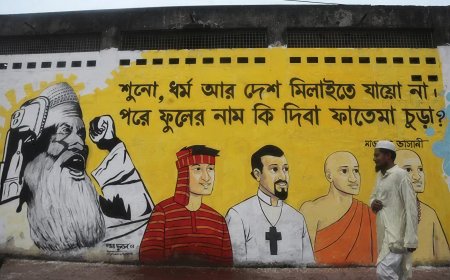
Bangladesh does not need to choose between religion and secularism. It must choose between a democratic political system, where diverse beliefs co-exist under shared constitutional rules, and a politics where identity is weaponized to determine belonging.
As the global aid system shrinks itself by design, Bangladesh is being asked to do more, with less, twice over -- once for a million Rohingya it did not create, and once for a climate crisis it did not cause.
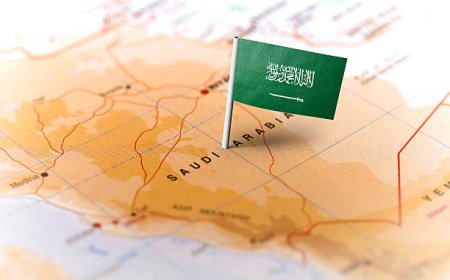
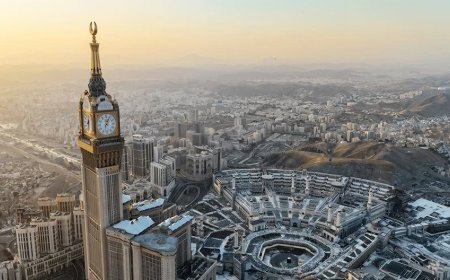
So the question becomes: If Bangladesh joins the Mecca Pact, which of its immediate security problems will be solved? My answer: Not very many.
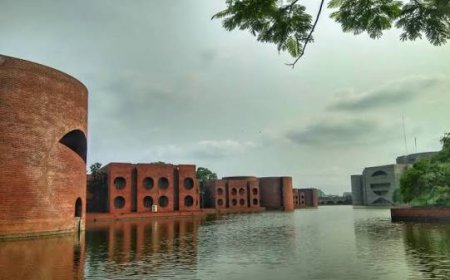
An uprising can reclaim space without reclaiming sovereignty. It can capture a symbol without capturing the mechanism. It can change the occupants without changing the architecture of access.
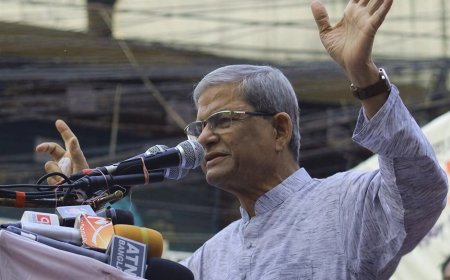
Not only did Mr. Alamgir represent a big obstacle for the right-wing network in their pursuit of power and rent but he was also a prominent face of the liberal democratic elite. He is also an obstacle in the spreading of right-wing influences within the BNP.