




































































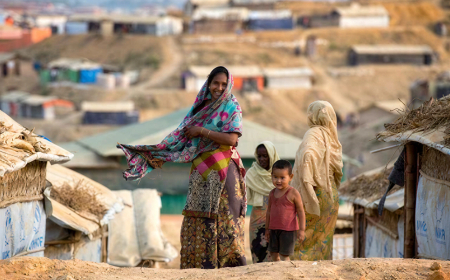
The Rohingya do not need another anniversary of international concern. They need a credible pathway to a future.

The lesson from this survey is a simple one. The government should spend this window of reserved judgment governing, and communicating clearly to the public that it is doing so. The public has made its patience conditional on visible actions, reserving judgment on results. It will not last indefinitely, and it should not be mistaken for endorsement.
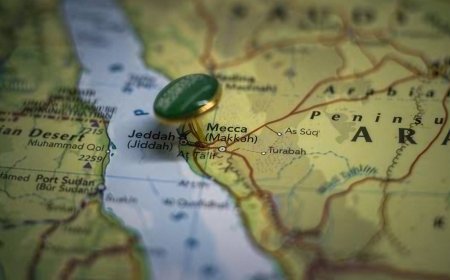
The strongest argument for Bangladesh joining the pact is not ideological or geo-political. It is strategic and an opportunity to strengthen its security, defense capabilities, economic partnerships, and diplomatic influence, while preserving its desired goal of strategic balance.

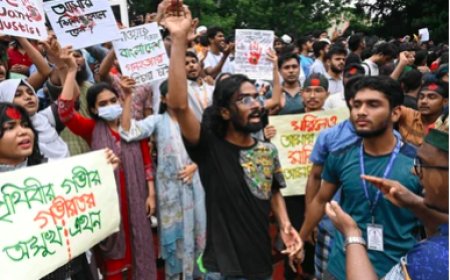
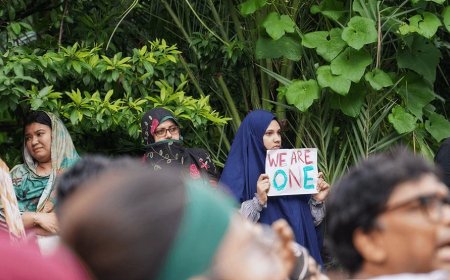
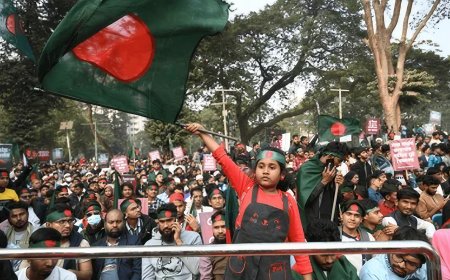
July’s azadi was powerful because it was capacious. It united people who agreed on the regime they opposed but not necessarily on the republic they wished to build.
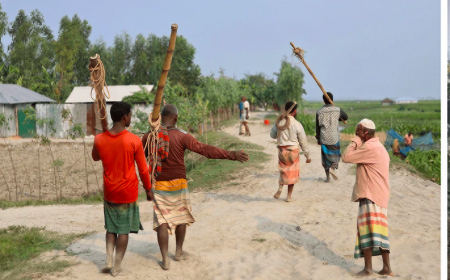
Our loyalty belongs strictly to Bangladesh, to our rivers, to our workers, to our ecology, to our farmers, to our reforestation, and to our children. It is time to discard every foreign proxy and forge a new political vocabulary

The Mecca Agreement will be remembered less as a wartime alliance against a weakened Iran and more as the founding document of a new, durable axis within the Muslim world, one whose rivalries with Israel, the UAE and India will define regional politics for a generation.

The value of a 180-day plan lies precisely in BNP's ability to make the early report card meaningful. If the clock was started by BNP itself, it cannot now complain that citizens are watching it.
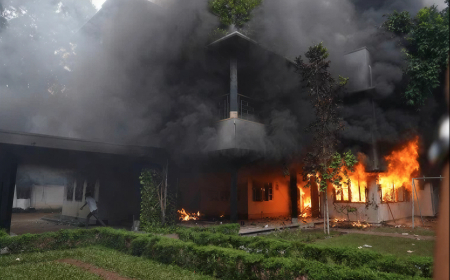
But for the first time, the ghosts of Dhanmondi 32 have found a voice in a court of law. The question now is whether the system will listen -- or whether this too will become another act in the long-running performance of impunity.

Bangladesh’s possible entry into the Mecca Pact would be a consequential foreign-policy decision, testing whether the BNP government can translate its “Bangladesh First” policy into a strategic and politically sustainable choice.
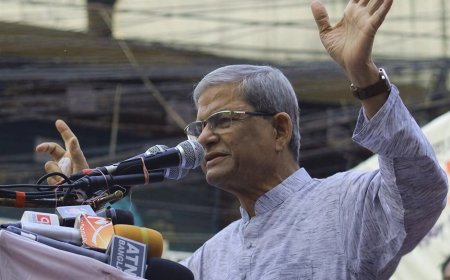
By choosing Mirza Alamgir, the Prime Minister has placed institutional credibility above other considerations, and in doing so has strengthened the constitutional order his government is charged with restoring.
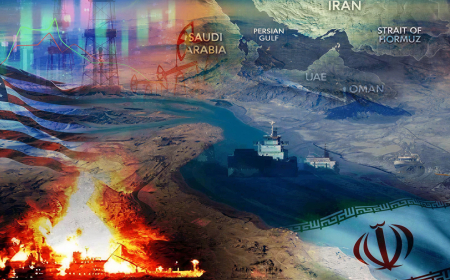
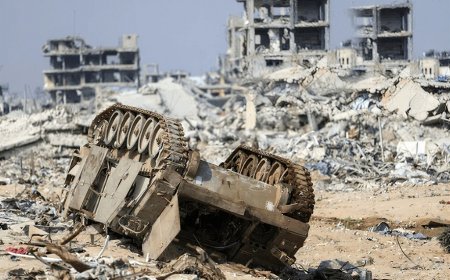
Destruction is useful only when it contributes to the political end. If overwhelming military force cannot produce that end at an acceptable cost, battlefield superiority becomes strategically insufficient.

Dhaka has deepened military ties with Turkey while normalizing relations with Pakistan. This commitment towards strategic autonomy unsettles security planners in New Delhi, who view the accumulation of these moves as a potential erosion of Indian influence in the Bay of Bengal.
The next government will also be tempted to inherit the same bargain: Loyalty in exchange for protection, administrative convenience in exchange for silence. Reform begins when a government chooses to give up that convenience. Until then, ministers will continue to fall while the permanent government learns to serve, and outlast, whoever replaces them.
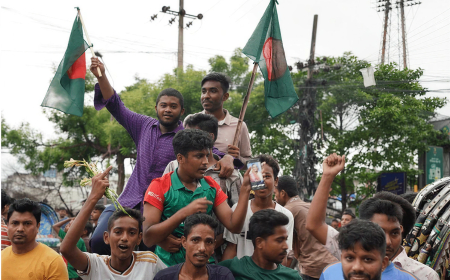
Bangladesh has already demonstrated that revolutions can go viral. The unfinished challenge is ensuring that reform becomes institutional.

The defining question is no longer whether China has become a global power, but whether its model of development and statecraft will shape the rules of the international order in the decades ahead.

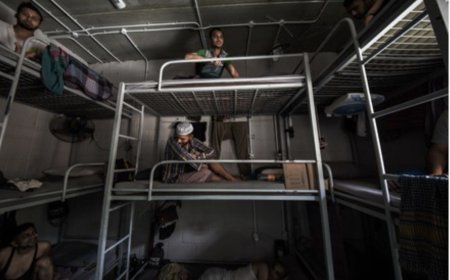
This dependence cuts both ways. If the Saudi market were to close for any reason, the impact on Bangladesh's employment would be significant, particularly since other major markets such as Oman, the UAE, Bahrain, and Malaysia have not reopened at scale.